Tired of That Dingy Shower Glass? Let’s Get It Sparkling!
You know the drill. You step out of a nice hot shower, feeling refreshed, only to look back at your shower glass and see that familiar, unwelcome cloudy film. Those aren’t just water spots; they’re stubborn hard water stains, mineral deposits that cling on for dear life, making your bathroom look less than pristine. Honestly, it’s one of the most common complaints I hear, and for good reason – they’re tough!
But what if I told you that you don’t have to live with that dull, etched glass? After more than two decades battling every kind of grime imaginable, I’ve got some tried-and-true methods that will make those mineral deposits disappear. Forget endless scrubbing with weak cleaners; we’re going to tackle this like the pros we are. So, let’s roll up our sleeves and get that shower glass looking brand new again.
Understanding the Enemy: What Exactly Are Hard Water Stains?
Before we can truly conquer these stains, it helps to understand what we’re up against. Hard water is simply water that has a high mineral content, usually calcium and magnesium. When this water dries on your shower glass, it leaves these minerals behind, creating those cloudy, white, or sometimes even reddish-brown spots and streaks you see.
The longer these mineral deposits sit, especially when exposed to heat and soap scum, the more they bond to the glass, making them incredibly difficult to remove with just a regular wipe-down. This isn’t just surface dirt; it’s a chemical bond we need to break. Knowing this helps us choose the right weapons for the job.
Your Arsenal: Tools and Products for the Ultimate Clean
You wouldn’t go into battle without the right gear, and cleaning hard water stains is no different. Here’s a rundown of what you’ll need. Don’t skimp on these; having the right tools makes all the difference, trust me.
Essential Cleaning Tools:
- Microfiber Cloths: Always have plenty on hand. They are excellent for buffing and streak-free drying.
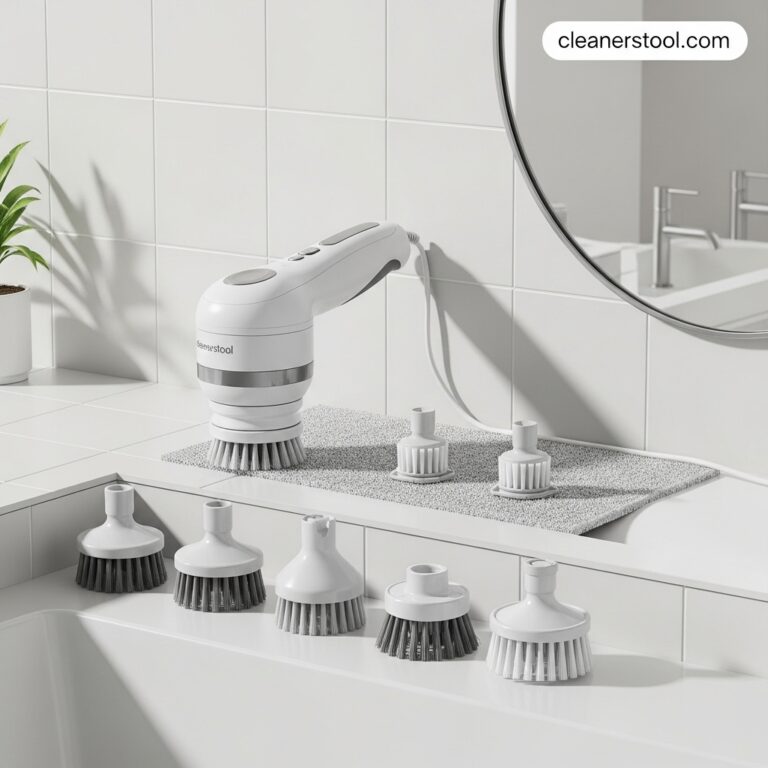
- Sponge or Non-Scratch Scrubber: A good quality scrubber is vital for agitation without damaging the glass. Think Scotch-Brite non-scratch sponges or similar.
- Spray Bottle: Handy for applying DIY solutions evenly.
- Squeegee: An absolute must for preventing future stains and for the final rinse.
- Small Brush (Optional): For getting into tight corners or around hardware.
- Safety Gloves and Eye Protection: Crucial for protecting your skin and eyes, especially when using stronger acids.
Powerful Cleaning Products:
- White Vinegar: Your first line of defense. It’s a mild acid that works wonders on light to moderate mineral deposits.
- Baking Soda: A mild abrasive that can boost vinegar’s power.
- Lemon Juice: Another natural acidic option, good for lighter stains and a fresh smell.
- Commercial Hard Water Stain Remover: For the really tough stuff. Look for products containing ingredients like phosphoric acid or citric acid. Brands like CLR, Lime-A-Way, or specific shower glass cleaners are popular choices.
- Dish Soap: For general cleaning and removing soap scum before tackling mineral stains.
- Optional: Fine Steel Wool (0000 grade) or Magic Eraser: Use with extreme caution and only on specific types of glass, or as a last resort for extremely severe etching. Always test in an inconspicuous area first. In my opinion, this is for pros only or those who are very confident, as it can scratch if not used correctly.
The Battle Plan: Step-by-Step Eradication of Stubborn Stains
Alright, grab your gear! We’re going to start with the least aggressive methods and work our way up. Most of the time, you won’t need the heavy artillery if you tackle it promptly. For example, imagine this situation: you’ve tried wiping with your regular shower cleaner for weeks, and those cloudy spots are still there, mocking you. That’s when you know it’s time for the pro approach.
Step 1: Initial Rinse and Soap Scum Removal
- Rinse the Glass: Start by rinsing the entire shower glass with warm water. This helps loosen any loose dirt and prepares the surface.
- Clean Off Soap Scum: Mix a few drops of dish soap with warm water in your spray bottle. Spray the entire glass surface and let it sit for 5-10 minutes. This will break down any soap scum and body oils, which often sit on top of the hard water stains.
- Scrub and Rinse: Use your non-scratch scrubber to gently scrub the glass, then rinse thoroughly with warm water. This ensures you’re only dealing with the mineral deposits in the next steps.
Step 2: Attacking with Acid – The Vinegar Power Play
Vinegar is your best friend here. It’s acidic enough to start dissolving those mineral bonds without being overly harsh on your glass or your respiratory system (with proper ventilation, of course).
- Prepare Your Vinegar Solution: Fill your spray bottle with undiluted white vinegar. You can warm it slightly in the microwave for extra potency – just be careful when handling!
- Generously Apply: Spray the entire shower glass surface, ensuring it’s completely saturated. Don’t be shy here; those stains need a good soak.
- Let It Dwell: This is the critical part. Allow the vinegar to sit on the glass for at least 15-30 minutes, or even an hour for very stubborn stains. For really bad cases, you can even soak paper towels in vinegar and stick them to the glass, covering the stained areas, to keep the surface wet longer.
- Scrub with Vigor: After the dwell time, use your non-scratch scrubber to vigorously scrub the glass in circular motions. You should start seeing the stains break down and lift.
- Rinse and Inspect: Rinse the glass thoroughly with warm water and check your progress. If some stains remain, repeat this step.
Step 3: Bringing in the Big Guns – Commercial Cleaners or Vinegar & Baking Soda Paste
If vinegar alone isn’t cutting through the toughest spots, it’s time for the next level. Let me add something here: sometimes you just need a bit more abrasive power or a stronger acid.
- Option A: Vinegar and Baking Soda Paste:
- Mix baking soda with just enough white vinegar to create a thick paste.
- Apply this paste directly to the remaining hard water stains.
- Let it sit for 15-30 minutes. The baking soda acts as a mild abrasive, and the vinegar continues its work.
- Scrub with your non-scratch scrubber, then rinse well.
- Option B: Commercial Hard Water Stain Remover:
- Always read the product instructions carefully and wear your safety gloves and eye protection. Ensure excellent ventilation.
- Apply the commercial hard water stain remover directly to the stained areas according to the manufacturer’s directions.
- Allow the product to dwell for the recommended time (usually 5-10 minutes). Do not let it dry on the glass.
- Scrub with your non-scratch scrubber.
- Rinse thoroughly with plenty of water.
- Repeat if necessary, but don’t overdo it with strong chemicals.
Step 4: The Final Polish and Prevention
Once the stains are gone, you want to ensure your glass is truly sparkling and stays that way.
- Final Rinse and Squeegee: Give the glass one last thorough rinse with cool water. Immediately use your squeegee, starting from the top and working your way down, overlapping each stroke slightly. This prevents any new water from drying on the surface.
- Buff Dry: Use a clean, dry microfiber cloth to buff away any remaining streaks or water droplets. This is where your glass will really shine.
Keep it Clean: Prevention is Your Best Friend
You’ve put in the hard work to get your shower glass pristine. Now, let’s keep it that way! This is where you save yourself a ton of effort down the line. Based on my experience, a little daily effort goes a long way.
- Squeegee After Every Shower: This is non-negotiable. A quick 30-second swipe with a good squeegee after every shower will remove 90% of the water that would otherwise dry and leave mineral deposits.
- Daily Shower Spray: Keep a spray bottle of 1:1 white vinegar and water (or a commercial daily shower spray) in your shower. A quick spritz after squeegeeing helps prevent mineral buildup. Don’t rinse it off!
- Improve Ventilation: Use your bathroom fan during and after showering to help dry out the air and surfaces faster. Less moisture means fewer stains.
- Consider a Water Softener: If hard water is a pervasive issue throughout your home, investing in a whole-house water softener can dramatically reduce mineral buildup everywhere, not just on your shower glass. It’s an investment, but one that pays off in time and cleaning effort.
Safety First & Important Considerations
When working with cleaning products, especially stronger ones, safety is paramount. You need to protect yourself and your home.
- Ventilation: Always ensure your bathroom is well-ventilated. Open windows, turn on the exhaust fan, and even keep the door open if possible. Fumes from acids can be strong and irritating.
- Never Mix Chemicals: This is a golden rule. Never, ever mix bleach-based cleaners with acid-based cleaners (like vinegar, CLR, or other hard water removers). It can create dangerous and toxic fumes.
- Test in an Inconspicuous Area: Before applying any new product or method to your entire shower glass, test it on a small, hidden area first to ensure it doesn’t cause damage or discoloration.
- Protect Surrounding Surfaces: Be mindful of your shower frame, tiles, and fixtures. Some acidic cleaners can etch or discolor certain materials. Rinse immediately if contact occurs.
Your Shower Glass Deserves to Sparkle
Eradicating stubborn hard water stains from your shower glass isn’t just about making your bathroom look better; it’s about reclaiming that fresh, clean feeling. It takes a little elbow grease and the right knowledge, but with this pro’s guide from Cleaners Tool, you’ve got all the practical solutions you need. Don’t let those mineral deposits win! Arm yourself with the right cleaning tools and techniques, and enjoy a truly sparkling, streak-free shower every single day. Go on, give it a try – you’ll be amazed at the difference.