There are few things as frustrating as spending time cleaning your windows, only to step back and find a landscape of streaks, smudges, and lingering dirt. It’s a common scenario that plagues both homeowners and even some newer professional cleaners. But achieving truly streak-free windows isn’t some arcane secret reserved for a select few; it’s a systematic process that combines the right tools with precise techniques. With over two decades in the cleaning industry, I’ve refined these methods to perfection, and I’m here to share exactly how you can get those elusive, sparkling results every single time.
This isn’t about quick fixes or magic sprays. This is about understanding the fundamentals, equipping yourself properly, and executing with confidence. Let’s transform your window cleaning experience from a chore into a satisfying display of crystal-clear glass.
The Foundation: Why Your Windows Get Streaky (and How to Avoid It)
Before we dive into the “how,” it’s crucial to understand the “why.” Streaks don’t just appear out of thin air; they are a direct result of common mistakes or overlooked environmental factors. Identifying these culprits is the first step toward achieving truly clear glass.
Common Culprits: Dirt, Detergent, and Hard Water
The primary reason for streaks often boils down to residue. This can be residual dirt that wasn’t fully removed, leftover cleaning solution that dried too quickly, or mineral deposits from hard water. Many off-the-shelf glass cleaners contain ingredients that can leave a film, especially if not wiped away perfectly. Lint from paper towels or low-quality cloths is another major offender, depositing tiny fibers that catch the light and create visible marks. Honestly, using the wrong cleaning solution or an inadequate wiping material is where most people go wrong.
The Right Time and Conditions
Timing is absolutely everything when it comes to effective window cleaning. Cleaning windows in direct sunlight is a recipe for disaster. The heat causes the cleaning solution to evaporate too quickly, leaving streaks and spots before you even have a chance to wipe them away. Instead, aim for a cloudy day or choose the shadier side of your building. Moderate temperatures, typically between 50-70°F (10-21°C), are ideal. Avoid windy days too, as airborne dust can quickly re-settle on your freshly cleaned glass, undoing your hard work almost instantly.
Essential Tools for Professional Results
You wouldn’t expect a chef to cook a gourmet meal with dull knives, and you shouldn’t expect professional-grade window cleaning without the right equipment. Forget the newspaper and spray bottle; we’re talking about dedicated window cleaning tools that make the job faster, easier, and more effective.
The Unbeatable Squeegee
This is the cornerstone of professional window cleaning. A high-quality squeegee, preferably with a stainless steel or brass channel, makes all the difference. The most critical component is the rubber blade. It needs to be sharp, pliable, and free of nicks or tears. I typically use a 12-inch or 14-inch squeegee for most residential windows, but having a smaller 6-inch one for intricate panes and a larger 18-inch for big picture windows is incredibly useful. Replace your squeegee rubber regularly – I’d say every few months of consistent use, or sooner if you notice a decline in performance. A worn blade is guaranteed to leave streaks.
Microfiber Magic and Other Must-Haves
Beyond the squeegee, you’ll need a few other items:
- High-Quality microfiber cloths: These are essential for wiping squeegee blades, detailing edges, and polishing any remaining spots. Invest in several good ones – they are highly absorbent and lint-free.
- T-Bar Washer/Applicator: This tool, often covered with a microfiber sleeve, is used to apply your cleaning solution to the window. It ensures even coverage and helps agitate dirt.
- A Sturdy Bucket: Large enough to hold your T-bar and squeegee, filled with your cleaning solution.
- Scrub Brush or Scraper: For tackling stubborn dirt, bird droppings, or dried paint spots. Always use a scraper cautiously to avoid scratching the glass.
- Ladder: A stable, extension ladder is crucial for higher windows. Safety is paramount here.
Cleaning Solutions That Actually Work
Forget the harsh chemicals or vinegar solutions that often leave behind a residue or a smell. For truly streak-free windows, a professional-grade window cleaning concentrate mixed with water is superior. These solutions are designed to break down dirt and grease without leaving a film. In my experience, a small amount of dish soap (a single drop, not more) in warm water can also work in a pinch for very dirty windows, but professional concentrates are formulated to rinse cleaner and evaporate more evenly. Always follow the dilution instructions precisely. Too much soap will lead to streaks, while too little won’t clean effectively.
The Step-by-Step Professional Window Cleaning Technique
Now for the main event: mastering the technique. This isn’t just about applying cleaner; it’s about precision, control, and consistency. Follow these steps for consistently excellent results.
Preparation is Key
- Remove Obstacles: Take down screens, move furniture, and clear window sills. This gives you full access to the glass.
- Dust and Pre-Clean Frames: Use a brush or vacuum to remove loose dust, cobwebs, and dirt from window frames and sills. This prevents dirt from dripping onto your clean glass later.
- Pre-Wash Heavily Soiled Windows: If windows are extremely dirty, hose them down first or use your T-bar and solution to give them a preliminary scrub. This removes the bulk of the grime, preventing your main cleaning solution from becoming too contaminated.
Mastering the Squeegee: Overlap and Angle
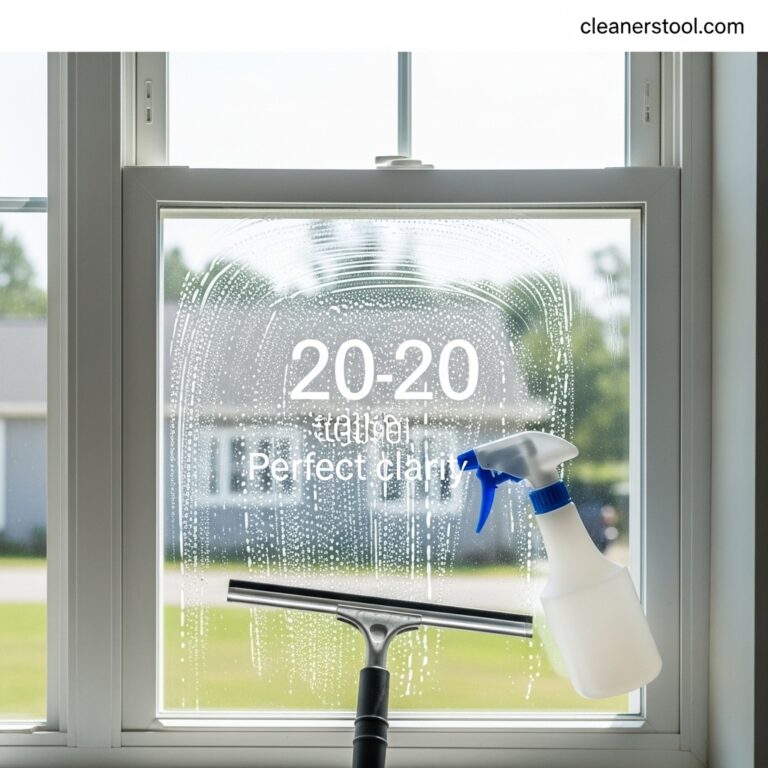
This is where the magic happens for clean windows. Fill your bucket with your diluted glass cleaner solution. Dip your T-bar applicator into the solution, ensuring it’s thoroughly wet but not dripping excessively. Apply the solution to the entire window surface, working from top to bottom. Make sure to get into the corners and edges. Now, grab your squeegee:
- Start at the Top: Position the squeegee blade firmly against the glass, just touching the top edge of the window.
- Angle is Crucial: Hold the squeegee at a slight angle (about 15-20 degrees) relative to the horizontal or vertical path you’re taking. This allows the water to channel down the blade efficiently.
- The S-Motion or Straight Pull:
- S-Motion (for larger windows): Start at one top corner, pull down in an “S” curve across the window, then reverse direction and continue the “S” pattern, overlapping each previous stroke by about an inch. This continuous motion is key for efficiency and avoiding streaks.
- Straight Pull (for smaller windows or beginners): Start at the top, pull straight down to the bottom. For the next stroke, overlap the previous one by about an inch.
- Wipe the Blade: After each complete pass (whether S-motion or straight pull), use a clean, dry microfiber cloth to wipe the squeegee blade thoroughly. This prevents dirty water from being redeposited. Imagine you’re halfway through a large picture window, and your squeegee slips, leaving a hideous trail because you didn’t wipe the blade. Frustrating, right? This is why the wiping step is paramount to a successful squeegee technique.
- Maintain Pressure: Apply consistent, even pressure across the entire stroke. Too little pressure leaves water behind; too much can cause the blade to skip.
The Final Polish
Once you’ve squeegeed the entire glass surface, you’ll notice a small amount of water remaining along the edges and in the corners. This is where your clean, dry microfiber cloth comes in. Carefully detail these edges and corners, wiping away any residual moisture. Use a fresh, dry part of the cloth for each wipe to avoid reintroducing moisture or smudges. Step back and admire your handiwork. You should see a perfectly clear, streak-free pane.
Troubleshooting & Advanced Tips
Even with the best techniques, challenges can arise. Knowing how to troubleshoot common issues and adopting advanced safety measures will set you apart.
Dealing with Stubborn Stains and Residue
Sometimes, normal washing isn’t enough. For hard water spots, a specialized mineral deposit remover or a mild acidic cleaner (like diluted white vinegar, used sparingly and rinsed immediately) might be needed. For paint overspray, sap, or industrial fallout, a fine-grade steel wool (0000 grade) can be incredibly effective, but use it with extreme caution and only on wet glass to avoid scratching. Always test a small, inconspicuous area first. For adhesive residues, a dedicated solvent like Goo Gone can work wonders. After tackling these specific issues, always re-clean the area with your standard window solution to ensure a clean finish.
Safety First: Working with Ladders and High Windows
Working at height introduces risks. Always use a stable, appropriate-sized ladder for the job. Ensure the ladder is on level ground and secured. For very high or inaccessible windows, consider hiring a professional. But what would you do if you encountered a window too high for your standard ladder but not quite high enough to warrant a full-blown specialist? This is where a telescoping pole with a squeegee and applicator attachment becomes invaluable. Always wear appropriate footwear with good grip. Never overreach; it’s better to reposition the ladder than risk a fall. Furthermore, remember to keep your cleaning tools in good condition; a worn squeegee blade can slip, and a dirty applicator can spread grime.
I believe that consistent practice makes perfect. The more you clean your windows using these methods, the more intuitive the squeegee technique will become. You’ll develop a rhythm and a feel for the right pressure and angle.
Achieving truly streak-free windows is a skill that combines the right preparation, the correct tools, and a methodical approach. By following these professional techniques and utilizing the essential tools recommended by Cleaners Tool, you’ll elevate your window cleaning from a frustrating chore to a satisfying display of crystal-clear perfection. Invest in quality tools, master the squeegee, and pay attention to the details. Your windows, and your view, will thank you for it.