The Great Vacuum Debate: Robot vs. Upright – A Professional’s Take
For years, the upright vacuum cleaner has been the undisputed workhorse of homes and businesses alike. Its powerful suction, large capacity, and ability to tackle various floor types made it indispensable. But then came the robot vacuum – a marvel of modern technology promising effortless, autonomous cleaning. The question I’m asked most often by clients and fellow cleaners at Cleaners Tool is this: Can a robot vacuum truly replace your upright, or is it merely a convenient sidekick? After two decades in the trenches of professional cleaning, I have a clear perspective on this, and honestly, the answer isn’t as simple as a yes or no.
This isn’t just about picking a favorite; it’s about understanding what each tool is designed to do and how it fits into a comprehensive cleaning strategy. My goal here is to cut through the marketing hype and give you the practical, real-world insights you need to make an informed decision for your home or business. We’ll examine their strengths, weaknesses, and most importantly, their roles in achieving a truly clean environment.
The Allure of the Robot Vacuum: Convenience, Not Command
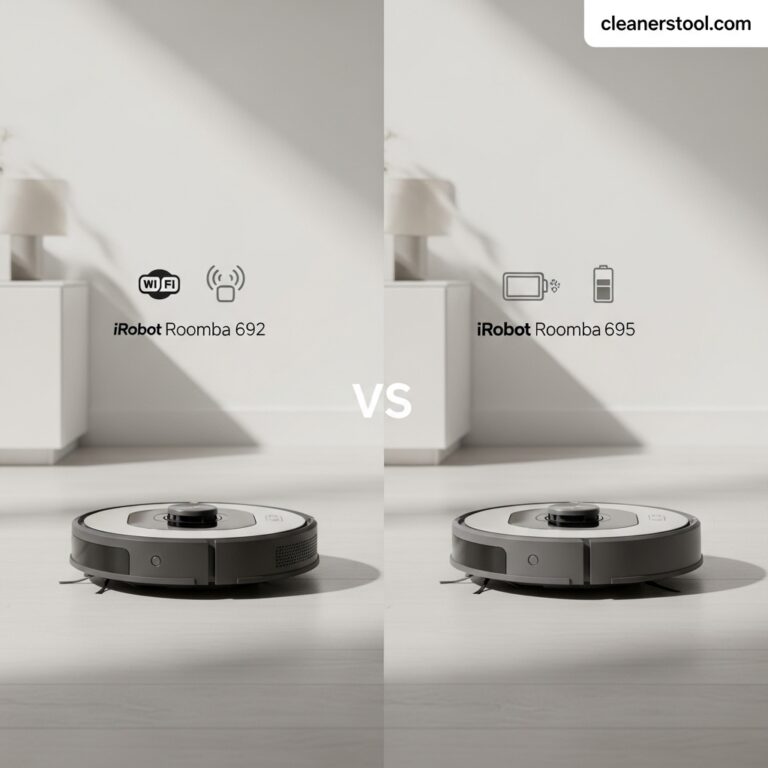
Let’s start with the undisputed champion of convenience: the robot vacuum. The appeal is undeniable. Imagine coming home to freshly vacuumed floors every day without lifting a finger. These devices are fantastic for daily maintenance, diligently picking up dust, pet hair, and small crumbs that accumulate between deeper cleans. For busy individuals or those with mobility challenges, a robot vacuum is an absolute game-changer, keeping surfaces tidy and allergens at bay with minimal effort.
However, based on my experience, it’s crucial to understand their inherent limitations. While they’ve improved dramatically with advanced navigation and increased suction, they are fundamentally designed for surface-level cleaning. They excel at maintaining a baseline of cleanliness but struggle with embedded dirt, deep carpet fibers, and larger debris. For example, imagine a situation where you’ve had a party, and there are crushed chips or spilled cereal on the floor; a robot vacuum might struggle to pick up everything efficiently, often just pushing larger pieces around.
Robot vacuums also have trouble with edges, corners, and tight spaces that require precise maneuverability. And what about stairs? A robot vacuum, despite its intelligence, cannot climb stairs. This means multi-level homes still require manual intervention, negating some of the “fully autonomous” promises. So, while they offer undeniable convenience, let’s shift our focus to the tried-and-true workhorse of the cleaning world.
The Enduring Power of the Upright Vacuum: Unmatched Performance
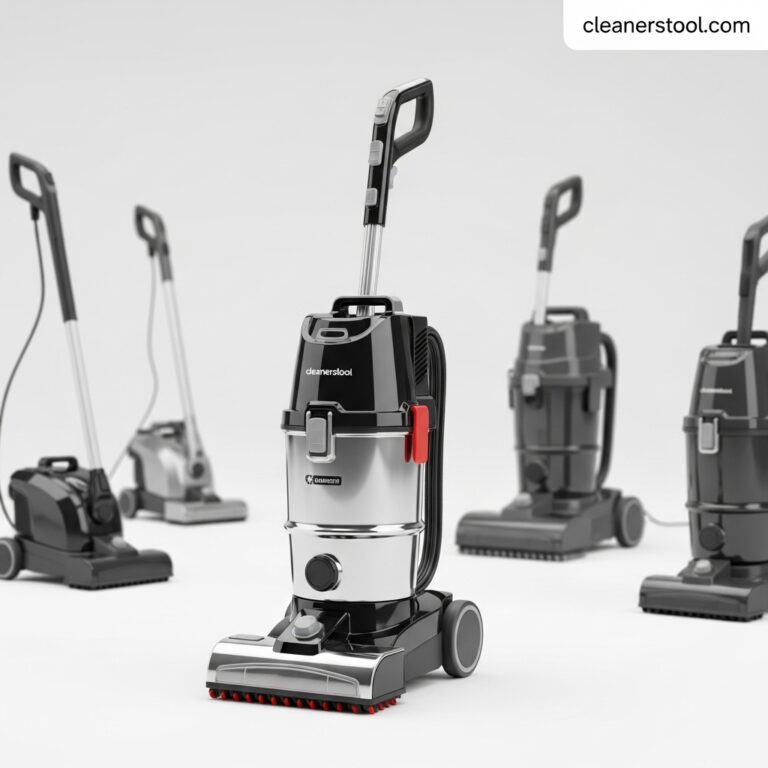
The upright vacuum has been the backbone of effective cleaning for decades, and for good reason. When it comes to raw suction power and the ability to tackle truly challenging cleaning tasks, an upright remains unparalleled. Its robust motor and direct airflow design allow it to lift deeply embedded dirt, pet dander, and allergens from carpets and rugs that a robot vacuum simply cannot reach. This is particularly vital for homes with pets, children, or allergy sufferers.
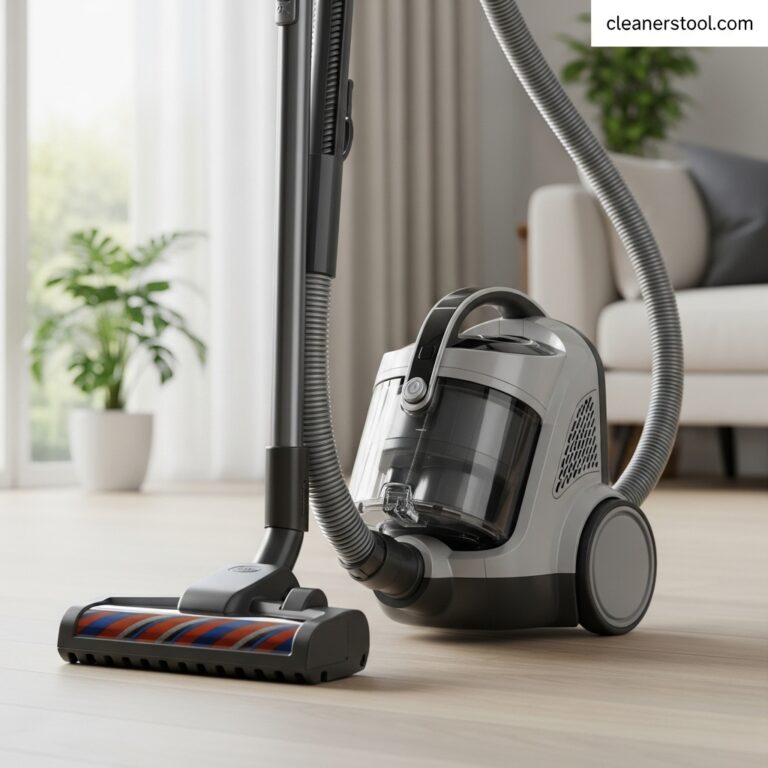
Furthermore, upright vacuums are incredibly versatile. Many models come with attachments like crevice tools, upholstery brushes, and extension wands, making them suitable for cleaning everything from drapes and furniture to high corners and cobwebs. They offer a larger dustbin capacity, meaning fewer interruptions during a thorough cleaning session. When you need to deep clean a room, an upright vacuum provides the systematic, powerful cleaning required to achieve truly pristine results across all floor types, from plush carpets to hard floors.
In my opinion, the control you have over an upright vacuum is also a significant advantage. You can target specific messy areas, apply extra suction where needed, and ensure every inch is meticulously cleaned. This level of precision and power is something even the most advanced robot vacuum struggles to replicate, especially when dealing with heavy-duty messes or commercial cleaning demands.
Direct Comparison: Robot vs. Upright in Key Cleaning Scenarios
To truly understand if a robot vacuum can replace an upright, we need to compare their performance in various real-world scenarios. This isn’t about one being “better” overall, but about understanding their optimal use cases.
-
Daily Maintenance & Light Cleaning
Robot Vacuum: This is where robots shine. They can run daily, keeping surface dust, crumbs, and pet hair in check. They are excellent for maintaining a general level of cleanliness with minimal human intervention. This saves you time and effort on routine tasks.
Upright Vacuum: Overkill for daily light cleaning. While it would certainly pick up the mess, the effort involved makes it impractical for daily use unless you enjoy vacuuming every day.
-
Deep Cleaning & High Traffic Areas
Robot Vacuum: Struggles here. While some higher-end models have increased suction, they generally lack the power and brush roll aggression to pull deeply embedded dirt from carpets or handle packed-down debris in high-traffic zones. You will still see dirt remaining.
Upright Vacuum: The undisputed champion. Its powerful motor, wide cleaning path, and aggressive brush rolls are designed to agitate carpet fibers, lift stubborn dirt, and restore the look and feel of your floors. This is critical for thorough cleaning and extending carpet life.
-
Edge, Corner & Detail Cleaning
Robot Vacuum: Often leaves a perimeter of dirt and dust around baseboards and furniture legs. Their round or D-shaped design makes it impossible for them to get perfectly into sharp corners. Small side brushes help but aren’t a substitute for direct suction.
Upright Vacuum: With the right attachments (crevice tool!), an upright can reach virtually any nook, cranny, or corner. The direct control allows for precise targeting of dust bunnies, cobwebs, and debris that robots miss.
-
Handling Pet Hair & Allergens
Robot Vacuum: Good for surface pet hair on a daily basis. However, their smaller dustbins fill quickly, and their filters can get clogged. For serious pet owners, daily emptying and filter cleaning are a must.
Upright Vacuum: Excellent for pet hair. Many models are specifically designed with powerful suction and specialized brush rolls to tackle pet hair effectively, both on the surface and embedded deep within carpets. Larger capacity means less frequent emptying.
The Verdict: Supplement, Not Replacement – A Professional’s Recommendation
After weighing all the factors, my honest professional opinion, based on years of cleaning countless homes and businesses, is this: A robot vacuum cannot truly replace your upright vacuum. Instead, it serves as an excellent, highly valuable supplement to your cleaning arsenal.
Think of it this way: a robot vacuum is your diligent daily assistant, taking care of the routine upkeep. It keeps your floors looking presentable and reduces the frequency of major vacuuming sessions. An upright vacuum, on the other hand, is your heavy-duty specialist, ready to tackle the deep cleaning, the stubborn messes, and the areas that demand superior power and precision. For optimal cleanliness, especially in homes with carpets, pets, or high traffic, you truly need both.
To be fair, for homes with exclusively hard floors and minimal deep-cleaning needs, a high-end robot vacuum might come close to being a primary cleaner, but even then, I’d still recommend an occasional pass with a powerful upright or stick vacuum for truly thorough results. The investment in both types of vacuums offers unparalleled convenience and cleanliness, ensuring every corner of your home is maintained to a professional standard.
Final Thoughts & Actionable Advice
My recommendation is clear: If you’re serious about maintaining a consistently clean home, invest in both. Utilize your robot vacuum for daily maintenance runs to keep surface dirt at bay. Then, on a weekly or bi-weekly basis, bring out your upright vacuum for a thorough deep cleaning session. This two-pronged approach ensures your floors are not just superficially clean, but truly pristine.
When choosing, look for a robot vacuum with good navigation, decent suction, and a reliable app for scheduling. For your upright, prioritize powerful suction, a quality brush roll, and versatile attachments. Consider models known for their durability and ease of maintenance, as these will provide the best value for money in the long run. At Cleaners Tool, we always advocate for selecting the right tool for the right job, and in the case of floor cleaning, combining the convenience of a robot with the power of an upright is, without a doubt, the most effective strategy.