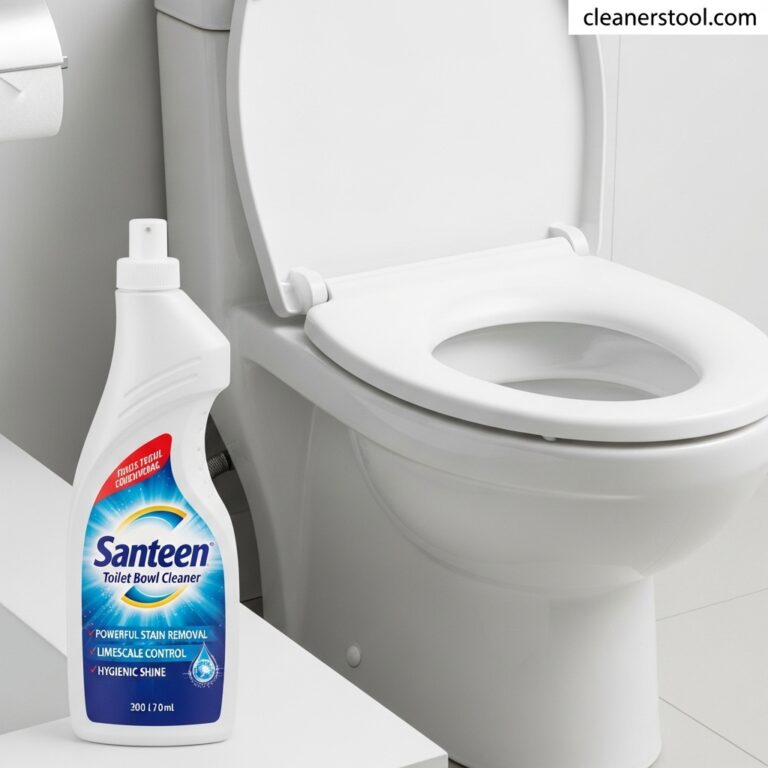
Why “Beyond the Brush” Matters: The Hidden Truths of Toilet Hygiene
For decades, the simple toilet brush has been the go-to tool for keeping our toilets presentable. A quick swirl, a flush, and out of sight, out of mind – right? Not quite. While regular brushing tackles the visible grime, it often leaves behind a hidden world of bacteria, stubborn stains, and mineral deposits that compromise both hygiene and the overall appearance of your bathroom. Superficial cleaning simply isn’t enough to combat the unique challenges a toilet presents.
Think about it: the toilet bowl is a breeding ground for various microorganisms, some of which can pose health risks. Beyond the invisible threats, there are the unsightly realities of hard water rings, limescale buildup under the rim, and discoloration that a standard brush can’t effectively reach or remove. These issues not only detract from your bathroom’s cleanliness but can also shorten the lifespan of your fixture by allowing corrosive elements to accumulate. But what would you do when guests are coming and your usual routine just isn’t cutting it? This is where a deep cleaning protocol becomes essential, transforming your toilet from merely “clean enough” to truly pristine and germ-free.
For example, imagine this situation: you’ve just moved into a new place, and while the toilet looks okay on the surface, you suspect years of neglect. Or perhaps you’ve been battling a persistent, yellowish ring that no amount of scrubbing seems to conquer. In these scenarios, the standard brush is merely a starting point. We need to go “beyond the brush” to truly sanitize, descale, and restore that sparkling shine. This guide, drawing on my two decades of professional experience, will equip you with the knowledge and tools to achieve just that.
Gathering Your Arsenal: Tools and Products for a Professional Deep Clean
Before you dive into the deep clean, preparation is key. Having the right tools and products on hand will not only make the job easier but also more effective and safer. Don’t skimp on quality here; professional results demand professional-grade equipment, even for home use. Let me add something here: investing in durable, efficient cleaning tools from Cleaners Tool has always paid off for me in the long run, saving time and effort.
Here’s what you’ll need to assemble:
- Personal Protective Equipment (PPE): Heavy-duty rubber gloves and eye protection are non-negotiable. You’ll be working with powerful chemicals.
- High-Quality Toilet Brush: Not just any brush. Look for one with strong, stiff bristles that can reach under the rim effectively. A silicone brush can be great for preventing water splash-back.
- Pumice Stone with Handle: Indispensable for removing stubborn hard water rings and mineral deposits without scratching porcelain.
- Scrub Brushes: A detail brush (like an old toothbrush or a grout brush) for hinges and crevices, and a larger scrub brush for the base and surrounding floor.
- Microfiber Cloths/Sponges: Several clean ones for wiping down surfaces. Designate specific cloths for the toilet to avoid cross-contamination.
- Spray Bottles: Useful for diluting cleaners or applying disinfectants.
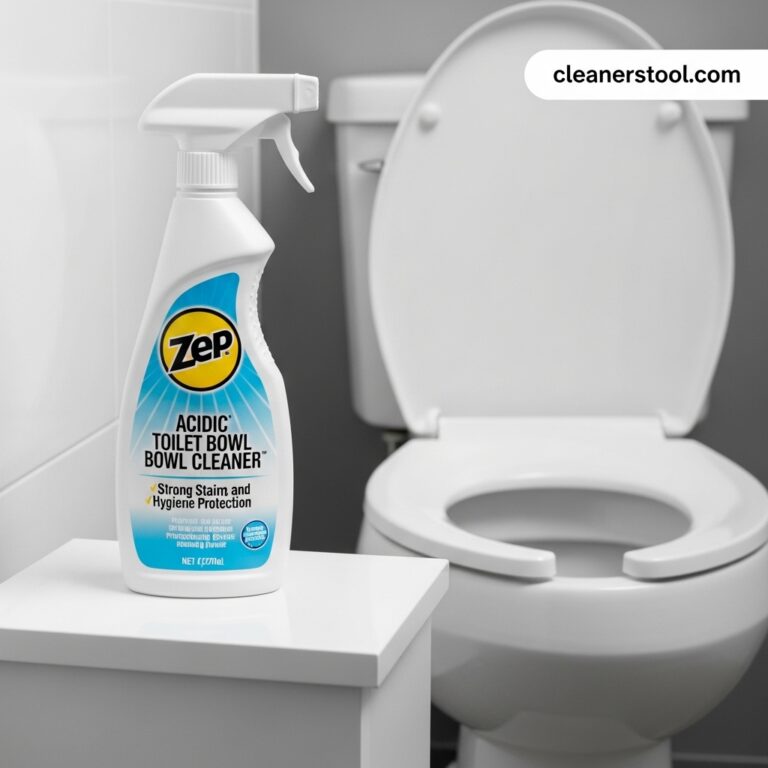
- Heavy-Duty Toilet Bowl Cleaner: Opt for an acidic or bleach-based cleaner designed to tackle limescale, rust, and tough stains. Read labels carefully for specific applications and warnings.
- All-Purpose Cleaner/Disinfectant: For the exterior surfaces of the toilet.
- Descaler (Optional): If you live in an area with extremely hard water, a dedicated descaling product might be necessary for persistent buildup.
- Baking Soda and White Vinegar (Optional): Excellent natural alternatives or boosters for milder stains and deodorizing.
Honestly, based on my experience, the right product selection makes all the difference. For serious mineral buildup, a phosphoric acid-based cleaner is often my choice, but always ensure proper ventilation and follow instructions precisely.
The Deep Clean Protocol: A Step-by-Step Masterclass
Now that your cleaning arsenal is ready, let’s get to the really critical point: the actual deep cleaning process. This isn’t just about scrubbing; it’s a systematic approach to ensure every inch of your toilet is meticulously cleaned and sanitized. Remember, patience and thoroughness are your allies here.
Preparation and Safety First
Before applying any chemicals, open a window or turn on the bathroom fan to ensure good ventilation. Put on your gloves and eye protection. Clear the area around the toilet of any rugs, decorative items, or personal hygiene products. This gives you unobstructed access and prevents accidental chemical exposure to other items.
The Bowl: Tackling Stains and Limescale
- Lower the Water Level: Flush the toilet once. As the water drains, quickly pour a bucket of clean water into the bowl to force more water out and expose more of the bowl’s surface. Alternatively, you can turn off the water supply valve and flush to empty the bowl.
- Apply Heavy-Duty Cleaner: Carefully apply your chosen heavy-duty toilet bowl cleaner, ensuring it reaches up under the rim jets where limescale and germs hide. Let it sit for the recommended time, usually 5-10 minutes, allowing the chemicals to break down grime. For very stubborn rings, you might let it sit longer or reapply.
- Scrub Thoroughly: Use your high-quality toilet brush to scrub the entire inside of the bowl, paying special attention to under the rim, the waterline, and the bowl’s bottom. For hard water rings and rust stains that resist the brush, gently wet a pumice stone and rub the affected areas. The pumice stone is abrasive but won’t scratch porcelain if used correctly.
- Flush and Rinse: Once thoroughly scrubbed, flush the toilet multiple times to rinse away all cleaner and loosened debris. Inspect the bowl; if stains persist, repeat the application and scrubbing process.
The Exterior: From Tank to Base
- Clean the Tank and Lid: Spray an all-purpose cleaner/disinfectant onto the exterior of the tank and the tank lid. Wipe down thoroughly with a clean microfiber cloth, ensuring you get into any grooves or decorative elements.
- Address the Seat (Top and Bottom): Lift the toilet seat. Spray both the top and underside of the seat, as well as the rim of the bowl, with your all-purpose cleaner. Use a fresh microfiber cloth to wipe down these surfaces. Don’t forget the hinges where grime often accumulates; a detail brush is perfect for this.
- Clean the Exterior Bowl and Base: Spray the outside of the toilet bowl, including the often-neglected base where it meets the floor. Use a clean microfiber cloth or sponge to wipe it all down. For the floor around the toilet, especially behind it, a larger scrub brush and a floor cleaner might be needed to tackle any splatters or dust bunnies.
Finishing Touches and Disinfection
After cleaning, do a final wipe-down of all surfaces with a fresh, damp microfiber cloth to remove any cleaner residue. Then, for comprehensive germ eradication, apply a disinfectant spray to all exterior surfaces and allow it to air dry for the contact time specified on the product label. This ensures maximum germ-killing power. Don’t forget to clean and sanitize your toilet brush and holder as well.
Maintaining the Sparkle: Post-Deep Clean Best Practices
A deep-cleaned toilet is a joy, but maintaining that “germ-free shine” requires consistent effort. The good news is that once you’ve done the heavy lifting, routine maintenance becomes significantly easier. Based on my experience, regular upkeep is far less demanding than letting issues fester and then having to perform another full deep clean.
Aim for a weekly light clean using an all-purpose cleaner for the exterior and a quick brush with a mild toilet bowl cleaner for the interior. This prevents minor buildup from becoming major problems. Address any new stains or rings promptly; the sooner you tackle them, the easier they are to remove. For persistent hard water issues, consider using an in-tank tablet or a daily toilet bowl cleaner that targets mineral deposits, but always ensure they are safe for your toilet’s internal components. You can find excellent, safe options recommended on Cleaners Tool.
The expected results of this deep cleaning protocol are immediate and noticeable: a visibly gleaming toilet, free from stains and odors, and most importantly, truly sanitized. Users often report a fresher-smelling bathroom overall and a significant reduction in the frequency of tough stain appearance. It’s a real game-changer for overall bathroom hygiene and aesthetics.
Final Thoughts from a Pro: Investing in True Cleanliness
Achieving a deep-cleaned, germ-free toilet goes far beyond the casual swirl of a brush. It’s a testament to thoroughness, the right tools, and a commitment to genuine hygiene. By following this comprehensive guide, you’re not just making your toilet look clean; you’re creating a healthier environment for everyone in your home. This level of cleanliness impacts not only the visual appeal of your bathroom but also reduces the spread of germs and contributes to the longevity of your fixtures.
To be fair, deep cleaning a toilet isn’t the most glamorous task, but the satisfaction of a truly pristine result is undeniable. Remember to always prioritize safety by using proper ventilation and protective gear when handling cleaning chemicals. For long-lasting results, consistency in your cleaning routine is paramount. Invest in quality tools – a good toilet brush, a pumice stone, and reliable cleaning agents – as they are crucial for achieving and maintaining that professional shine.
So, step beyond the brush, embrace these professional techniques, and transform your toilet from an overlooked necessity into a sparkling, hygienic centerpiece of your bathroom. Your efforts will be rewarded with a cleaner, fresher space and the peace of mind that comes with true cleanliness.</p&