The Pursuit of a Pristine Ride: Are All-in-One Car Cleaning Kits the Easy Button?
As someone who’s spent over two decades knee-deep in suds and grime, transforming everything from dusty family sedans to commercial fleets, I understand the desire for a spotless vehicle. There's just something incredibly satisfying about a car that gleams inside and out, reflecting the care you put into it. Many of you are looking for that "easy button" to achieve this, and that often leads to considering the ubiquitous all-in-one car cleaning kits. They promise everything you need in one convenient package, but as with many things in the cleaning world, the devil is in the details.
From my experience, these kits can be a mixed bag. While they offer undeniable convenience, their true value often hinges on your specific needs, expectations, and how often you plan to get your hands dirty. Are they a game-changer for casual cleaners, or a potential pitfall for those aiming for professional-level results? Let's dive deep into what these kits offer, where they shine, and when you might be better off assembling your own arsenal.
What Exactly Are “All-in-One” Car Cleaning Kits?
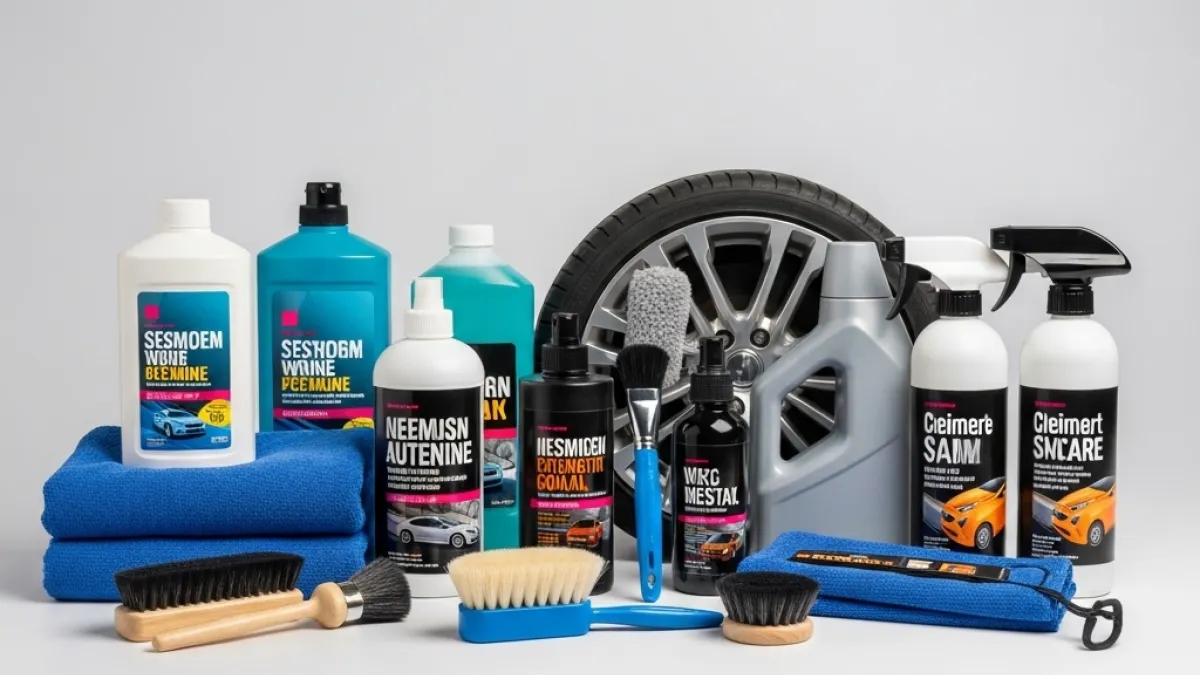
At their core, an all-in-one car cleaning kit is a curated collection of products and tools designed to tackle most, if not all, aspects of vehicle cleaning and detailing. Instead of buying individual bottles of car wash soap, tire cleaner, wax, and a separate stack of microfiber towels, these kits bundle them together. The idea is to provide a comprehensive solution that simplifies the purchasing process and ensures you have the essentials on hand.
Typically, a well-rounded kit will include a mix of exterior and interior cleaning agents, alongside various application and scrubbing tools. The specific contents can vary wildly between brands and price points, from basic wash-and-wax kits to more elaborate sets promising a “professional car cleaning kit” experience. Understanding what's usually inside is the first step to evaluating their worth.
- Exterior Cleaning Essentials:
- Car Wash Shampoo/Soap: A pH-neutral formula designed to lift dirt without stripping wax.
- Wheel & Tire Cleaner: Specifically formulated to break down brake dust and road grime.
- Wax or Sealant: For paint protection and enhancing shine.
- Microfiber Wash Mitt: A gentle way to apply soap and lift dirt.
- Drying Towel: Often a large, absorbent microfiber towel to prevent water spots.
- Detailing Brushes: For emblems, grilles, and other tight exterior spots.
- Interior Cleaning Essentials:
- All-Purpose Interior Cleaner: For dashboards, door panels, and hard surfaces.
- Glass Cleaner: Ammonia-free for streak-free windows and mirrors.
- Upholstery/Carpet Spot Cleaner: For tackling spills and stains.
- Microfiber Towels (general purpose): For wiping, buffing, and cleaning interior surfaces.
- Interior Detailing Brushes/Swabs: For vents, seams, and crevices.
- Optional (but often found in more advanced kits):
- Clay Bar & Lubricant: For paint decontamination.
- Tire Dressing: For a long-lasting “wet look” on tires.
- Leather Conditioner: For vehicles with leather interiors.
- Applicator Pads: Foam pads for applying wax or dressings.
- Buckets with Grit Guards: Essential for a scratch-free wash.
- Portable Car Vacuum: A compact vacuum for quick interior clean-ups (often found in a “car cleaning kit with vacuum”).
The Appeal and Practicality: When All-in-One Kits Shine
From a convenience standpoint, these kits certainly hit the mark. They eliminate the guesswork and countless trips down the auto care aisle, making them particularly attractive for certain types of users. For many, the sheer act of having everything in one box is a huge time-saver and motivator to actually get the job done. Let's explore the scenarios where an all-in-one kit truly adds value.
Pros of All-in-One Car Cleaning Kits:
- Unbeatable Convenience: This is arguably the biggest selling point. You get a “starter pack” of products without having to research and select each item individually. It's like a curated box for your car, ready to go.
- Cost-Effective (Initially): Often, purchasing a kit can be slightly cheaper than buying each component separately, especially for entry-level products. This is particularly true for basic kits that don't include high-end, specialized chemicals.
- Beginner-Friendly: For those new to car care, a kit provides a structured approach. The included products are usually designed to work together, simplifying the process and reducing the intimidation factor. It's a great way to learn the ropes of basic car maintenance.
- Great for Gifts: If you know someone who just bought a new car or has expressed a desire to keep their vehicle cleaner, a well-chosen kit makes an excellent and thoughtful present.
- Portability & Organization: Many kits come in a reusable bucket, bag, or storage container, making it easy to keep your cleaning supplies organized in the garage or even in your trunk for on-the-go touch-ups. A “car cleaning kit with vacuum” enhances this portability for interior care.
My own journey into detailing started with a simple bucket kit many years ago. It had the basics: soap, a sponge, some “tire shine” in a spray bottle, and a couple of thin microfiber towels. While the quality wasn't top-tier, it taught me the fundamental steps and got me hooked. For many, that initial accessibility is crucial.
The Reality Check: When All-in-One Kits Fall Short (and Why)
While the convenience factor is strong, it's essential to critically evaluate what you're actually getting. From my professional perspective, “all-in-one” doesn't always mean “all you need,” especially if you're aiming for a truly detailed, long-lasting finish. There are several drawbacks that can make these kits less of a bargain and more of a compromise.
Cons of All-in-One Car Cleaning Kits:
- Varying Product Quality: This is the biggest Achilles' heel. To keep costs down, many kits include entry-level or even subpar products. The car shampoo might be overly aggressive, the wax might offer minimal protection, and the microfiber towels could be thin and prone to scratching. You often get a “jack of all trades, master of none” situation.
- Redundancy and “Filler” Items: Some kits include products you might not need or that are simply not effective. Think generic “dashboard protectants” that leave a greasy finish, or applicator pads that fall apart after one use. This drives up the cost without adding real value.
- Lack of Specialization: If your car has specific needs – a matte finish, ceramic coating, delicate leather interior, or heavy swirl marks – a generic kit simply won't cut it. You'll need specialized products that are rarely found in these bundles.
- Not Truly “Professional” Grade: Despite marketing claims like “car cleaning kit professional,” most all-in-one kits are far from what a professional detailer would use. We invest in commercial-grade, concentrated, and highly specialized chemicals and durable, high-performance tools.
- Hidden Costs & Replacements: While initially cheaper, you might find yourself replacing individual kit components quickly due to low quality or small quantities. For example, a tiny bottle of wheel cleaner might only last one or two washes, forcing you to buy a larger, better-quality bottle sooner than expected.
- Limited Tool Selection: Beyond basic wash mitts and towels, advanced tools like clay bars, polishing pads, or dedicated interior detailing brushes are often missing or of poor quality.
I once saw a “professional detailing kit” that included a single, tiny bottle of “compound” – completely inadequate for anything beyond the lightest of blemishes, and without the proper applicator or polisher. It was a classic example of marketing over utility. For real results, you often need to go beyond the kit.
Who Are All-in-One Kits *Really* For?
Given the pros and cons, it's clear that all-in-one kits aren't for everyone. However, they do serve a valuable purpose for specific demographics and situations. Understanding these can help you decide if such a kit is the right investment for you.
- The Casual Car Owner: If you simply want to keep your car looking presentable, clean up occasional spills, and perform a basic wash every few weeks, a decent all-in-one kit provides everything you need without overcomplicating things. Think of it as a maintenance kit rather than a detailing kit.
- New Car Owners: Just bought your first car? A kit can be an excellent way to start establishing good car care habits. You'll learn the basic steps and get a feel for what products you might want to upgrade later.
- Gift Givers: As mentioned, a car cleaning kit makes a fantastic gift. Opt for a reputable brand known for decent quality, like Meguiar's, Chemical Guys (their entry-level kits), or Turtle Wax, to ensure the recipient gets a useful present.
- Emergency or Travel Kit: A compact “car cleaning kit with vacuum” or a small interior-focused kit can be invaluable for families, road trippers, or rideshare drivers who need to quickly address spills, crumbs, or dust on the go.
- Budget-Conscious Beginners: If your budget is tight and you just want to get started, an affordable kit can be a stepping stone. Just be aware of its limitations and be prepared to replace individual items with higher-quality alternatives as needed.
Making the Smart Choice: What to Look For in a Good Kit (or When to Build Your Own)
If you decide an all-in-one kit is for you, don't just grab the first one you see. A little research goes a long way. Conversely, if you're seeking professional-level results, building your own custom kit is almost always the superior approach.
When Buying an All-in-One Kit, Focus On:
- Reputable Brands: Stick to established names in car care. Brands like Meguiar's, Chemical Guys, Adam's Polishes, Griot's Garage, and Turtle Wax often offer kits that balance quality and value. Reading a “car cleaning kit Amazon” review from actual users can be a good starting point.
- Quality of Microfiber: Good microfiber towels are non-negotiable. Look for kits that explicitly mention high-quality, plush microfiber for washing and drying. Avoid kits with cheap, thin, or low GSM (grams per square meter) towels, as these can scratch paint.
- Essential Products Over “Fluff”: Prioritize kits that include solid car shampoo, a decent wax/sealant, a good wheel cleaner, and an effective interior cleaner. If it includes a “tire shine” or “trim restorer” that you're not sure about, check reviews specifically for those items.
- Value for Money: Do a quick mental calculation. If you were to buy each decent-quality item individually, would the kit still be a good deal? Sometimes, a kit is only a “deal” because it includes several low-quality items.
- Specific Needs: If you only care about the interior, look for a “professional car interior detailing kit” that focuses on upholstery, leather, and glass. If exterior shine is paramount, prioritize kits with better waxes/sealants.
When to Build Your Own “Pro-Grade” Kit:
For serious enthusiasts, those with specific vehicle needs (e.g., classic cars, luxury vehicles, off-roaders), or anyone aiming for truly pristine results, building your own kit is the way to go. This allows you to hand-pick best-in-class products and tools for each task.
My Recommended “Build Your Own” Essentials (Starting Point):
- Two 5-Gallon Buckets with Grit Guards: Absolutely crucial for a scratch-free wash (one for soap, one for rinse).
- High-Quality Microfiber Wash Mitt: Plush, durable, and holds a lot of suds.
- pH-Neutral Car Shampoo: Look for brands like CarPro Reset, Meguiar's Gold Class, or Chemical Guys Mr. Pink.
- Dedicated Wheel Cleaner: Iron removers like CarPro IronX or Griot's Garage Iron & Spot Remover are excellent.
- All-Purpose Cleaner (APC): Dilutable for interior surfaces, engine bay, and stubborn exterior grime. Simple Green Pro HD is a versatile choice.
- Glass Cleaner: Invisible Glass or Stoner Car Care's Invisible Glass is fantastic for streak-free results.
- Paint Protection: A good synthetic sealant (e.g., Meguiar's Ultimate Liquid Wax, Collinite 845) or a spray ceramic coating for easy application and durability.
- Plush Microfiber Drying Towels: Waffle weave or twist pile towels are highly absorbent (e.g., The Rag Company, Adam's Polishes).
- Assorted Microfiber Towels: For interior wiping, wax removal, and general use.
- Interior Detailing Brushes: Soft bristle brushes for vents and seams, and a tougher brush for carpets.
- Portable Wet/Dry Vacuum: For thorough interior cleaning. My shop uses small Mytee extractors, but for home, a compact Shop-Vac or a dedicated car vacuum works wonders.
How to Use Your Car Cleaning Kit (or Custom Arsenal) for Maximum Impact
Whether you go with an all-in-one kit or a custom setup, the technique is just as important as the products. Here's a streamlined approach based on years of turning dirty into dazzling:
- Pre-Rinse & Decontaminate (Exterior First):
- Rinse the entire car thoroughly with a pressure washer or hose to remove loose dirt.
- Spray wheels and tires with dedicated cleaner. Let it dwell for a few minutes (check product instructions).
- For heavily contaminated paint (gritty feel), consider using a clay bar with lubricant after the wash, but before waxing.
- The Two-Bucket Wash Method:
- Fill one bucket with car shampoo and water (Wash Bucket).
- Fill the second bucket with clean water (Rinse Bucket) and a grit guard at the bottom.
- Wash one section of the car at a time, working from top to bottom. Dip your wash mitt into the Wash Bucket, clean a section, then rinse the mitt thoroughly in the Rinse Bucket before returning to the Wash Bucket. This minimizes swirl marks.
- Rinse the entire car completely, ensuring no soap residue remains.
- Dry Thoroughly:
- Immediately dry the car using a large, plush microfiber drying towel. Work quickly to prevent water spots. A leaf blower can also help for initial water removal.
- Paint Protection (Wax/Sealant):
- Apply your chosen wax or sealant to the clean, dry paintwork according to the product's instructions. Work in small sections, buffing off residue with a clean microfiber towel. This protects the paint and enhances shine.
- Tires & Trim:
- Scrub wheels and tires with brushes. Rinse thoroughly.
- Once dry, apply tire dressing for a finished look. Clean and dress any exterior plastic trim.
- Interior Vacuum & Wipe Down:
- Start by removing all trash and floor mats.
- Vacuum the entire interior – carpets, seats, and floor mats. Use attachments to reach under seats and into crevices.
- Clean floor mats separately.
- Interior surface cleaning:
- Spray interior cleaner onto a clean microfiber towel (never directly onto surfaces to avoid overspray and drips) and wipe down dashboards, door panels, center console, and steering wheel.
- Use detailing brushes for vents, seams, and tight spots.
- If you have leather, clean with a dedicated leather cleaner and then condition to keep it supple.
- Glass & Final Touches:
- Clean all interior and exterior glass with an ammonia-free glass cleaner and a dedicated glass microfiber towel for a streak-free finish.
- Reinstall floor mats.
- Do a final check for any missed spots or lingering dust.
Safety and Environmental Considerations
Working with cleaning chemicals requires common sense and safety precautions. Always wear appropriate personal protective equipment (PPE), like gloves and eye protection, especially when handling strong wheel cleaners or degreasers. Ensure good ventilation, whether you're working in a garage or outside. For disposal, follow local regulations; never dump chemicals down storm drains.
When it comes to environmental impact, look for products that are biodegradable or pH-neutral. Many brands are now offering “eco-friendly” options that perform well without harsh chemicals. Using the two-bucket method significantly reduces water consumption compared to continuous rinsing, and proper drying prevents water waste.
The Verdict: Are All-in-One Car Cleaning Kits Worth It?
So, after all that, what's the final word? Are all-in-one car cleaning kits worth it? My honest answer, after 20 years of hands-on experience, is: it depends entirely on your goals and expectations.
For the casual car owner who wants a convenient way to keep their vehicle generally clean without breaking the bank or delving into advanced detailing techniques, a carefully chosen all-in-one kit from a reputable brand can be absolutely worth it. It provides a solid foundation, makes the process less intimidating, and encourages regular maintenance. Look for kits that focus on quality microfiber, essential products, and positive user reviews.
However, if you're a serious enthusiast, have a high-value vehicle, or aspire to achieve truly professional-level results – that deep, swirl-free shine, impeccably conditioned leather, and long-lasting protection – then an all-in-one kit will likely leave you wanting more. In this scenario, the initial investment in building your own custom arsenal of specialized, high-quality products and durable tools will pay dividends in superior results and longevity. You'll have better control over quality, performance, and exactly what goes onto (and into) your cherished ride.
Ultimately, whether you buy a kit or build your own, the most important thing is consistency. Regular cleaning, using the right tools and techniques, is what truly keeps a vehicle looking its best and preserves its value over time. Happy cleaning!