Introduction
Maintaining a clean and welcoming patio is essential for enjoying your outdoor space to the fullest. Whether you have a concrete, stone, or brick patio, regular cleaning is the key to preserving its beauty and longevity. In this article, we’ll explore various patio cleaning methods, tools, and solutions, including popular products like the Ryobi patio cleaner.

The Basics of Patio Cleaning
Before diving into specific products and tools, let’s cover the basics of patio cleaning. Regardless of the material, a pressure washer is a versatile and effective tool for removing dirt, grime, and stains from your patio surfaces.
Pressure Washer Patio Cleaner
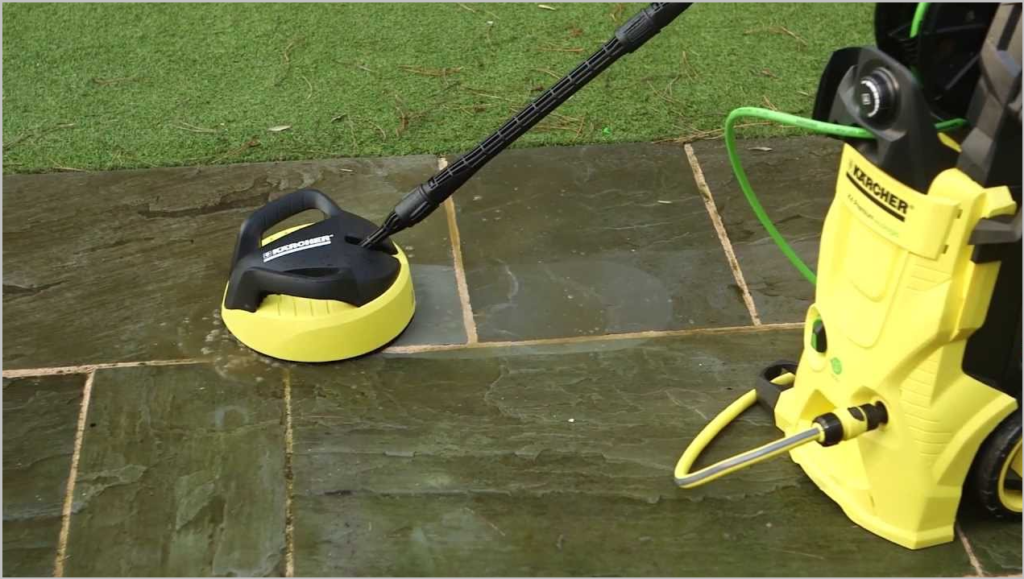
The pressure washer patio cleaner is a specialized attachment designed to work seamlessly with pressure washers. Its rotating nozzles provide a uniform and thorough cleaning, making it an excellent choice for large patio areas. The high-pressure water stream efficiently removes dirt and algae, leaving your patio looking refreshed.
Choosing the Right Patio Cleaner
When it comes to choosing a patio cleaner, consider the specific needs of your outdoor space. Different surfaces may require different cleaning solutions. Let’s explore some popular types:
| Keyword | Description |
|---|---|
| Patio Cleaner | A general term encompassing various cleaning products and tools for outdoor patios. |
| Ryobi Patio Cleaner | A specific brand of patio cleaning tools, known for its quality and performance. |
| Concrete Patio Cleaner | A cleaner formulated to tackle stains and dirt on concrete surfaces. |
| Stone Patio Cleaner | Designed for cleaning natural stone patios, ensuring a thorough yet gentle cleaning process. |
| Pressure Washer Patio Cleaner | An attachment for pressure washers, enhancing their effectiveness in patio cleaning. |
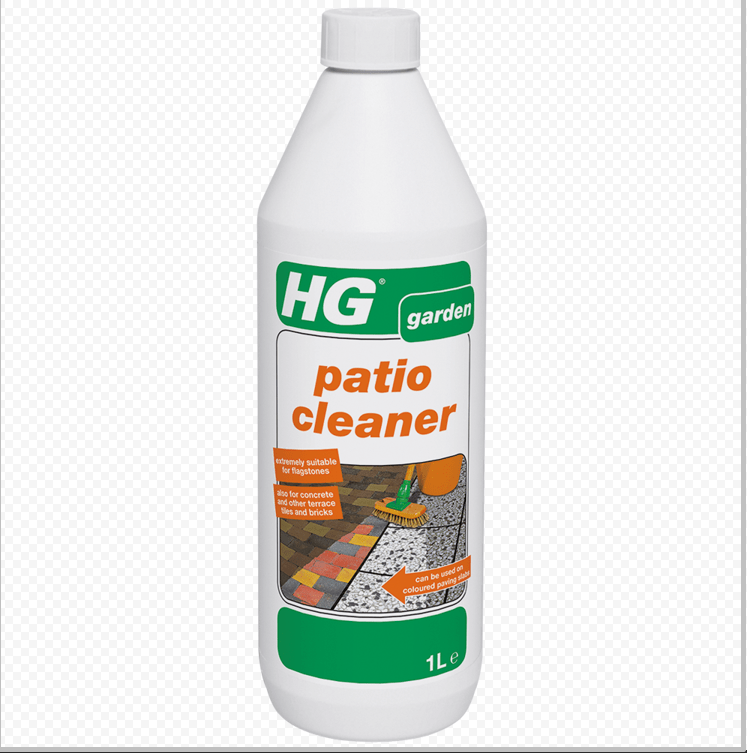
| Patio Cleaner Solution | A cleaning solution specifically formulated for use on patios, often mixed with water. |
| Brick Patio Cleaner | Formulated to remove stains and grime from brick surfaces without causing damage. |
| Ryobi Wire Brush Patio Cleaner | A specialized Ryobi tool featuring wire brushes for more aggressive cleaning on tougher stains. |
| Best Concrete Patio Cleaner | A highly effective cleaner recognized for its ability to clean concrete surfaces thoroughly. |
| Outdoor Patio Cleaner | A versatile cleaner suitable for various outdoor surfaces, providing an all-in-one solution. |
| Best Patio Cleaner | A top-rated patio cleaner, often determined by user reviews and performance. |
| Patio Cleaner Home Depot | Available at Home Depot, indicating accessibility and potential customer reviews. |
Specific Patio Cleaners and Their Benefits
Now, let’s delve into some specific patio cleaners and their unique benefits:
Ryobi Patio Cleaner
Ryobi, a well-known brand in the power tool industry, offers a range of patio cleaning tools. The Ryobi patio cleaner attachment is designed to work seamlessly with Ryobi pressure washers. Its rotating nozzles provide an efficient cleaning process, and its compatibility with Ryobi products ensures a hassle-free experience for users who already own Ryobi tools.
Concrete Patio Cleaner
Concrete patios are susceptible to stains from various sources, including algae, oil, and mildew. A dedicated concrete patio cleaner is formulated to break down and remove these stains without causing damage to the concrete surface. Look for a cleaner with a balance of cleaning power and safety for your concrete patio.
Stone Patio Cleaner
Natural stone patios require a gentler approach to cleaning to avoid damaging the surface. A stone patio cleaner is specially formulated to lift dirt and stains from porous stone materials without compromising their integrity. This type of cleaner often contains ingredients that dissolve stains while being safe for use on a variety of stone surfaces.
Brick Patio Cleaner
Brick patios can accumulate dirt and grime, and a dedicated brick patio cleaner is essential for restoring their appearance. Look for a cleaner that is effective in removing stains from bricks without causing discoloration or damage. Some brick patio cleaners also offer protective properties to prevent future stains.
Ryobi Wire Brush Patio Cleaner
For tougher stains on hard surfaces, a Ryobi wire brush patio cleaner can be a game-changer. This tool features wire brushes that provide more aggressive cleaning action, making it suitable for stubborn stains on concrete or brick surfaces. The Ryobi brand ensures durability and compatibility with other Ryobi products.
Choosing the Best Patio Cleaner for Your Needs
With the variety of patio cleaners available, how do you choose the best one for your needs? Consider the following factors:
Cleaning Surface
Identify the material of your patio surface. Whether it’s concrete, stone, or brick, choosing a cleaner specifically formulated for that material ensures effective cleaning without causing damage.
Stain Type
Different stains require different cleaning solutions. If your patio is prone to oil stains, choose a cleaner with degreasing properties. For mildew or algae, opt for a cleaner with anti-fungal agents.
Compatibility with Tools
If you already own a pressure washer, check for compatibility with patio cleaner attachments. Brands like Ryobi offer a range of tools that work seamlessly together, providing a convenient and integrated cleaning solution.
User Reviews
Before making a purchase, read user reviews to gauge the effectiveness of the patio cleaner. Real-world experiences can provide valuable insights into how well a product performs in various situations.
DIY Patio Cleaner Solution
If you prefer a more hands-on approach, you can create a DIY patio cleaner solution using common household ingredients. Here’s a simple recipe:
Ingredients:
- 1 cup white vinegar
- 1 cup baking soda
- 1 cup water
- 1/2 cup lemon juice
Instructions:
- Mix the white vinegar, baking soda, water, and lemon juice in a bowl to create a paste.
- Apply the paste to the stained areas of your patio using a brush or sponge.
- Let it sit for 15-20 minutes to allow the ingredients to penetrate the stains.
- Scrub the stained areas with a brush or use a pressure washer for added effectiveness.
- Rinse the patio thoroughly with water to remove the cleaning solution.
This DIY solution is cost-effective and environmentally friendly, making it a great option for those who prefer natural cleaning alternatives.
Conclusion
Keeping your patio clean not only enhances its appearance but also prolongs its lifespan. Whether you opt for a specialized patio cleaner like the Ryobi patio cleaner or choose to create your own DIY solution, regular cleaning is key to maintaining a welcoming outdoor space. Consider the type of material, stain, and tools you have when selecting the best patio cleaner for your needs. With the right approach, you can enjoy a pristine patio that complements your outdoor lifestyle.