The Post-Construction Predicament: Why It’s Different
You’ve just had a renovation, a new build, or an extensive remodel completed. The hammers have stopped, the workers have left, and what remains is not the pristine space you envisioned, but a landscape of dust, debris, paint splatters, and general construction chaos. This isn’t your average weekly tidying up; post-construction cleaning is a beast of its own.
Honestly, many people underestimate the sheer volume of fine dust that construction creates. It infiltrates every single crevice, vent, and surface, often invisible until the light hits it just right. Beyond the dust, there are adhesive residues, paint drips, drywall compound smears, and often discarded materials that need careful handling. Neglecting this crucial phase means living with constant dust and potential health hazards long after the project is “finished.”
The goal isn’t just to make it look clean; it’s to make it truly clean, safe, and ready for occupancy. This requires a systematic approach, the right tools, and a keen eye for detail that only years of experience can truly hone. Let me tell you, I’ve walked into countless post-construction sites, and while each one presents unique challenges, the core principles of effective cleanup remain the same.
Essential Tools & Supplies for a Pro Finish
Before you even think about starting, gathering the correct arsenal of tools and cleaning agents is paramount. Skimping here will only lead to frustration, wasted time, and subpar results. Think of it like a surgeon preparing for an operation – you need the right instruments for precision and effectiveness.
- Industrial-Grade HEPA Vacuum Cleaner: This is non-negotiable. Standard vacuums will just recirculate fine construction dust, making your problem worse. A HEPA filter captures those microscopic particles, ensuring they’re gone for good. Look for models with strong suction and durable hoses.
- Dust Extractors: For larger areas, especially if you’re dealing with extensive drywall dust, a dedicated dust extractor can be a game-changer, working in tandem with your vacuum.
- High-Quality Microfiber Cloths: You’ll need dozens. They excel at trapping dust and grime without just pushing it around. Different colors can help you organize for specific tasks (e.g., one for glass, one for general wiping).
- Sturdy Buckets & Mop: For floor cleaning. Consider a two-bucket system to keep clean water separate from dirty water.
- Scrapers & Utility Knives: Essential for carefully removing paint drips, glue, and dried caulk from hard surfaces like windows, floors, and countertops. Always use caution and test in an inconspicuous area first.
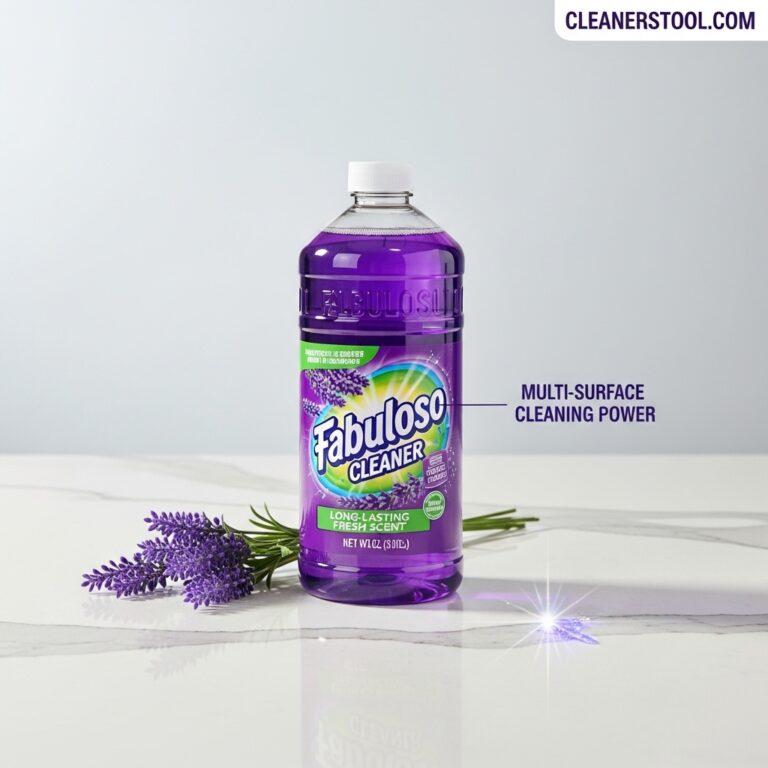
- All-Purpose Cleaner & Degreaser: For general wiping of surfaces, removing grime, and light grease.
- Glass Cleaner: Ammonia-free is usually best to avoid streaks, especially on tinted windows or delicate surfaces.
- Heavy-Duty Trash Bags & Cans: You’ll be surprised how much debris accumulates. Ensure your bags are tear-resistant.
- PPE (Personal Protective Equipment): Absolutely critical. This includes a N95 or P100 respirator mask, safety glasses or goggles, sturdy work gloves, and long sleeves/pants to protect your skin. Construction dust can be highly irritating and damaging to your respiratory system.
- Floor Scrubber/Buffer (Optional but recommended for large floors): For concrete, tile, or other hard flooring that needs a deep clean.
- Pressure Washer (for exteriors): If your project includes exterior work, a pressure washer is invaluable for cleaning driveways, siding, or patios.
Investing in these quality tools, many of which are reviewed on Cleaners Tool, will save you time and effort in the long run. Trying to tackle this with household cleaning supplies is, in my opinion, a recipe for exhaustion and disappointment.
The Step-by-Step Post-Construction Cleaning Process
A successful post-construction clean is all about order and method. You can’t just start wiping; you need a strategic plan to avoid re-contaminating areas you’ve already cleaned. We break it down into four critical phases.
Phase 1: The Rough Clean (Debris & Initial Dust Removal)
- Debris Removal: Start by collecting all large pieces of construction debris – wood scraps, cardboard, plastic sheeting, discarded materials. Use your heavy-duty trash bags and dispose of them properly. This clears the way for the real cleaning.
- Initial Vacuuming: With your HEPA vacuum, thoroughly vacuum all surfaces. This means floors, ledges, window sills, inside cabinets, and even walls if they are particularly dusty. Don’t forget to get into corners and tight spaces. This step removes the bulk of the loose dust.
- Scraping & Pre-Wipe: Carefully scrape off any hardened paint drips, glue, or caulk from hard surfaces using your utility knife or scraper. Be gentle and work slowly to avoid damage. Then, use a damp (not wet) microfiber cloth to wipe down large, accessible surfaces to catch any remaining heavy dust.
This initial phase is messy, but it’s crucial. For example, imagine you’ve just spent hours meticulously cleaning a kitchen, only to realize a week later that fine drywall dust has settled into every single crevice and drawer because you didn’t do a thorough rough clean. Skipping this step means you’ll be fighting the same dust over and over.
Phase 2: The Light Clean (Detailed Dusting & Surface Wiping)
- Top-to-Bottom Dusting: Starting from the highest points (ceiling fans, light fixtures, top of cabinets), work your way down. Use clean microfiber cloths, slightly dampened or with a good quality dust magnet spray, to wipe every surface. This includes walls, doors, trim, baseboards, shelves, and inside drawers and cabinets.
- Vent & Grate Cleaning: Remove and thoroughly clean all HVAC vents and cold air returns. These are notorious for collecting vast amounts of construction dust. Vacuum inside the ductwork as far as you can safely reach.
- Window & Glass Cleaning (First Pass): Use a damp cloth to wipe down window frames and sills, then use a glass cleaner and a fresh microfiber cloth for an initial clean of the glass itself. This removes the heaviest film.
- Floor Sweeping/Vacuuming: After all the dusting has settled, do another thorough HEPA vacuum of all floors.
This phase is where the magic starts to happen. You’ll begin to see the true colors of the surfaces, free from that dull construction haze. The key here is patience and thoroughness. You might need to repeat dusting steps if dust continues to settle.
Phase 3: The Final Clean (Detailing & Polishing)
- Cabinet & Drawer Detail: Re-wipe the inside and outside of all cabinets and drawers. Pay attention to hinges and hardware. This is where fine dust loves to hide.
- Fixture Cleaning: Clean and polish all light fixtures, plumbing fixtures, and hardware. Remove any protective films from new appliances or fixtures.
- Window & Mirror Polishing: Perform a final, streak-free clean of all windows, mirrors, and glass surfaces. Use a clean squeegee for larger windows if you’re comfortable, or specialized glass cleaning cloths.
- Final Floor Cleaning: Depending on the flooring, either mop hard floors with a suitable cleaner, or perform a final, meticulous HEPA vacuum of carpets. If you have hard floors that require it, this is the time for a floor scrubber or buffer.
- Spot Cleaning: Go over the entire area for any lingering spots, smudges, or missed areas. This is your chance to catch anything before the client’s final walkthrough.
Now, this is where your efforts truly shine. Every surface, every corner, every detail should be impeccable. Based on my experience, this meticulous attention to the final clean is what separates a good job from a truly professional one.
Phase 4: Exterior Clean (If Applicable)
Don’t forget the outside! Construction often leaves its mark on the exterior of a property too.
- Pressure Washing: Use a pressure washer to clean driveways, walkways, patios, and the exterior siding if they’ve been affected by dust, dirt, or paint overspray.
- Exterior Window Cleaning: Clean the exterior of all windows.
- Debris Removal: Check the perimeter for any forgotten construction debris.
Safety First & Final Touches
Throughout this entire process, your safety must be a priority. Construction sites, even after the main work is done, can still present hazards. Always wear your PPE, ensure adequate ventilation by opening windows, and be mindful of tripping hazards or sharp objects. When using chemicals, read labels carefully and mix them according to instructions.
Once you’ve completed all phases, conduct a thorough final inspection. Walk through every room, turn on all lights, and look from different angles. Look inside cabinets, check under sinks, run your hand across ledges. A detailed post-construction cleaning checklist can be incredibly helpful here to ensure nothing is missed. This final walkthrough is your quality control, ensuring the space is truly move-in ready and sparkling.
Choosing the Right Tools for Lasting Results
A professional post-construction clean is an investment – both in time and in the right tools. While the upfront cost of a high-quality HEPA vacuum or industrial-grade cleaning solutions might seem steep, they pay for themselves many times over in efficiency, effectiveness, and the health benefits they provide. At Cleaners Tool, we’re always reviewing and recommending equipment that meets the rigorous demands of post-construction environments, focusing on durability, performance, and value for money.
By following this systematic, professional guide, you’re not just cleaning; you’re transforming a construction zone into a pristine, welcoming space. It’s about understanding the unique challenges and applying proven techniques with the right equipment to achieve truly outstanding results. Invest in your process, invest in your tools, and you’ll find even the most daunting post-construction mess can be conquered with confidence and expertise.