The Quest for Pristine Grout Without the Chemical Hassle
Few things detract from the cleanliness of a space quite like discolored, grimy grout lines. They can make even a freshly scrubbed bathroom or kitchen appear unkempt, creating a frustrating challenge for both homeowners and professional cleaners alike. For years, the go-to solution has often involved harsh, aggressive chemicals that promise quick results but come with significant downsides: noxious fumes, skin irritation, and potential environmental impact. But what if you could achieve those sparkling, pristine grout lines without ever reaching for a chemical that makes you hold your breath?
As someone who has navigated the intricacies of cleaning for over two decades, I’ve seen countless trends come and go. Yet, the demand for effective, safe, and natural cleaning solutions has only grown stronger. This comprehensive guide, forged from years of practical experience and countless hours spent battling stubborn grout, will unveil powerful, natural alternatives that not only deliver professional-level results but also safeguard your health and the environment. It’s time to reclaim your grout with confidence and clarity.
Understanding Grout’s Vulnerability and Why Natural Solutions Work
To effectively clean grout, we must first understand its nature. Grout, typically a mixture of cement, sand, and water, is inherently porous. This porosity makes it highly susceptible to absorbing dirt, grime, soap scum, grease, mildew, and mold. Every shower, every cooking session, every spill contributes to the gradual discoloration and degradation of your grout lines. This isn’t just an aesthetic issue; neglected grout can harbor bacteria and fungi, posing potential health concerns.
Traditional chemical cleaners often rely on strong acids, bleaches, or alkalis to dissolve or strip away these contaminants. While undoubtedly potent, their aggressive nature can sometimes damage the grout itself, erode sealants, or even etch surrounding tiles if not used precisely. More importantly, the fumes and residues can be problematic, particularly in enclosed spaces. Natural solutions, on the other hand, leverage the inherent properties of common household ingredients—their abrasive qualities, acidity, or oxidizing power—to break down and lift away grime without the harsh side effects. This approach respects the integrity of your surfaces and the well-being of those who inhabit the space.
The Core Natural Grout Cleaning Arsenal: Recipes and Techniques
Baking Soda and Vinegar: The Classic Power Duo
This combination is a staple in natural cleaning, and for good reason. Baking soda acts as a mild abrasive and deodorizer, while white vinegar’s acidity cuts through soap scum, grease, and mineral deposits. Separately, they are effective; together, they create a gentle fizzing action that helps lift embedded dirt.
- Preparation: Start by sweeping or vacuuming the area to remove loose dirt and debris.
- Apply Baking Soda Paste: Mix about half a cup of baking soda with just enough water to form a thick paste. Apply this paste generously over the grout lines you intend to clean. Ensure full coverage.
- Spray with Vinegar: Fill a spray bottle with undiluted white vinegar. Lightly mist the baking soda paste with vinegar. You’ll observe a fizzing reaction; this is normal and indicates the ingredients are working to loosen grime.
- Dwell Time: Allow the mixture to sit for 10-15 minutes. For particularly stubborn stains, you might extend this to 30 minutes.
- Scrub: Using a stiff-bristled grout brush, scrub the grout lines in small sections. Apply firm pressure, focusing on the discolored areas.
- Rinse and Wipe: Rinse the area thoroughly with clean water, using a sponge or microfiber cloth to wipe away the residue. Repeat if necessary until all baking soda and grime are removed.
Safety Note: Always ensure good ventilation when using vinegar. While generally safe, avoid mixing vinegar with any bleach-based products, as this can create dangerous chlorine gas. Also, exercise caution when using vinegar on unsealed natural stone tiles, as its acidity can etch the surface over time. Always perform a patch test in an inconspicuous area.
Hydrogen Peroxide: For Stubborn Stains and Mildew
When you’re dealing with more persistent stains, especially mold or mildew, 3% hydrogen peroxide (the common household variety) is an excellent natural alternative. It’s a powerful oxidizing agent that effectively breaks down organic stains and brightens surfaces without the harshness of bleach.
- Clean First: Ensure the grout lines are free of loose dirt. You can pre-clean with the baking soda and vinegar method if desired, but make sure to rinse thoroughly.
- Apply Hydrogen Peroxide: For general brightening, you can spray hydrogen peroxide directly onto the grout lines. For tougher stains or mildew, create a paste by mixing hydrogen peroxide with baking soda (about 1 part peroxide to 2 parts baking soda).
- Dwell Time: Let the liquid or paste sit on the grout for at least 15-30 minutes. For severe mildew, I’ve found allowing it to sit for an hour, or even longer, can yield remarkable results.
- Scrub: Use a stiff grout brush to scrub the treated areas. You’ll notice the stains beginning to lift and lighten.
- Rinse: Rinse the area thoroughly with clean water. Repeat the process if some stains persist.
Safety Note: While safer than bleach, hydrogen peroxide can still cause mild skin irritation in some individuals, so wearing gloves is advisable. Always perform a patch test on colored grout to ensure it doesn’t cause discoloration. It’s generally safe for most sealed tile and grout but caution is always prudent.
Lemon Juice and Salt: A Brightening Scrub
For a pleasant-smelling, acidic scrub that tackles light stains and brightens grout, lemon juice combined with salt can be surprisingly effective. The citric acid acts as a natural bleach and degreaser, while the salt provides a gentle abrasive action.
- Mix the Paste: Squeeze fresh lemon juice into a bowl and gradually add table salt, mixing until you form a thick, spreadable paste.
- Apply: Spread the lemon and salt paste directly onto the dirty grout lines.
- Dwell and Scrub: Allow the paste to sit for about 10 minutes. Then, using your grout brush, scrub the lines with circular motions.
- Rinse: Rinse the area thoroughly with warm water, wiping away any residue with a clean cloth.
Safety Note: Similar to vinegar, the acidity of lemon juice means it should be used with caution on unsealed natural stone. Always rinse thoroughly to prevent any sticky residue from attracting new dirt.
Beyond the Mix: Essential Tools and Techniques for Natural Grout Cleaning Success
The Right Tools Make All the Difference
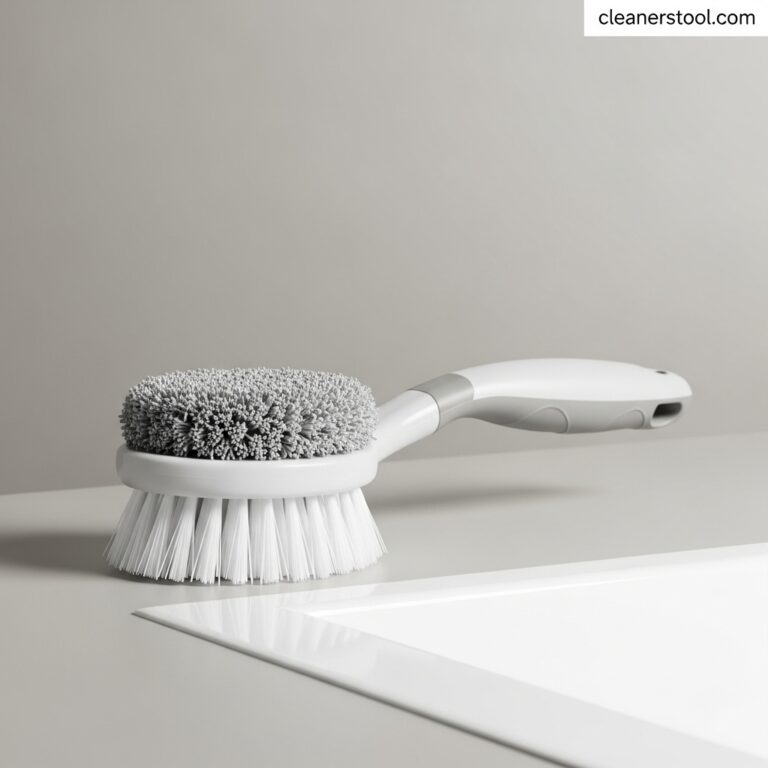
No matter how potent your cleaning solution, be it natural or chemical, its effectiveness is amplified by the right tools. Based on my two decades in this business, a high-quality grout brush is not just recommended, it’s essential. Look for brushes with stiff, durable nylon bristles designed to fit perfectly into the grout lines. A good ergonomic handle will save your wrists and back during extended cleaning sessions. Other indispensable tools include:
- Spray Bottles: For easy and even application of liquid solutions.
- Microfiber Cloths: Excellent for rinsing and drying, leaving no lint behind.
- Old Toothbrushes: Useful for small, intricate areas or touch-ups where a larger brush won’t fit.
- Safety Gear: Even with natural cleaners, gloves protect your hands, and eye protection is always a wise precaution, especially when scrubbing forcefully.
Honestly, a good grout brush is often half the battle. Investing in one from a reputable source like Cleaners Tool can drastically reduce the effort and time required for effective grout cleaning.
The Cleaning Process: Step-by-Step Mastery
Having the right ingredients and tools is one thing; employing them correctly is another. Here’s a refined process for maximum impact:
- Initial Prep: Always start by sweeping or vacuuming the area to remove loose dirt, hair, and grit. This prevents you from just moving debris around with your cleaning solution.
- Test, Test, Test: Before applying any solution to a large area, always perform a small patch test in an inconspicuous spot. This verifies compatibility with your specific tile and grout.
- Work in Sections: Avoid overwhelming yourself by trying to clean an entire floor at once. Work in manageable 2-foot by 2-foot sections. This allows the cleaning solution adequate dwell time and prevents it from drying out before you can scrub and rinse.
- Apply and Dwell: Apply your chosen natural cleaner generously, ensuring the grout lines are thoroughly saturated. Respect the recommended dwell time; this is where the solution does its work of breaking down grime.
- Scrub Methodically: Using your stiff grout brush, apply firm, consistent pressure. Scrub back and forth along the grout lines. For example, imagine you’re tackling a particularly grimy shower floor. Instead of just haphazardly scrubbing, focus your energy on each line, ensuring every inch receives attention. Don’t be afraid to put some elbow grease into it.
- Rinse Thoroughly: This is critical. After scrubbing, use clean water and a sponge or microfiber cloth to rinse away all residue. Any left-over cleaning agent or grime can attract new dirt. Change your rinse water frequently to ensure you’re using clean water, not just dirty water being spread around.
- Dry: Allow the grout to air dry completely, or use a clean, dry cloth to speed up the process.
Maintaining Your Sparkling Grout Naturally
Achieving clean grout is fantastic, but maintaining it is key to long-term success without constant deep cleaning. Regular, simple habits can make a huge difference.
- Regular Wiping: After every shower or bath, quickly wipe down tile and grout surfaces to remove excess moisture and soap scum.
- Weekly Light Cleaning: Use a dilute solution of vinegar and water (1:1 ratio) in a spray bottle for a quick weekly spray and wipe down of your tile and grout. This prevents buildup.
- Ventilation: Always use exhaust fans during and after showers to reduce humidity, which is a prime catalyst for mold and mildew growth.
- Consider Sealing: If your grout is unsealed, consider applying a high-quality grout sealer. This creates a protective barrier, making the grout less porous and significantly easier to clean in the future. It’s a proactive step that will save you considerable effort down the line.
Achieving Lasting Results and Making Informed Choices
By adopting these natural grout cleaning hacks, you can expect significantly cleaner, brighter grout lines, devoid of the harsh chemical residue and lingering fumes that often accompany conventional methods. The results are not just superficial; they contribute to a healthier indoor environment. Based on my experience, many clients appreciate these eco-friendly approaches, finding them equally effective and far more pleasant to live with. You’ll gain peace of mind knowing you’re not introducing potentially harmful substances into your home.
However, it’s important to set realistic expectations. While these natural methods are highly effective for most scenarios, severely neglected grout with deep-seated staining, extensive mold, or structural damage might require more intensive intervention, such as professional steam cleaning or even regrouting. But what if your grout still looks dull after all that? It’s often a sign that the grout needs sealing, or perhaps it’s time to consider a professional evaluation. For routine maintenance and tackling most everyday grime, however, these natural strategies provide an excellent, sustainable solution.
Ultimately, the choice of cleaning method comes down to efficacy, safety, and personal preference. I recommend starting with the gentlest natural method and escalating only if necessary. By understanding your grout and arming yourself with these proven natural hacks and the right tools, you’ll be well-equipped to keep your surfaces sparkling clean, enhancing the beauty and hygiene of your home without ever compromising on safety or environmental responsibility. Embrace these methods, and enjoy the satisfaction of truly clean grout.