Disclosure: As an Amazon Associate, we earn from qualifying purchases.
The best cleaner for mould in bathroom environments depends on the surface: heavy sodium hypochlorite formulas like RMR-86 or Clorox Tilex eliminate surface dark stains on non-porous tiles within 15 to 60 seconds, while non-toxic encapsulating agents like Concrobium Mold Control kill fungal roots inside porous grout and prevent re-growth. For stubborn caulk and vertical silicone seams, thick bleach-based gel cleaners hold active chemicals in place for hours to lift deeply embedded spores without requiring aggressive scrubbing.
Top Bathroom Mold Cleaners Compared
Selecting the correct formula saves time, prevents chemical damage to fixtures, and stops mold spores from returning. Chemical formulations range from fast-acting chlorine stain removers to eco-friendly antimicrobial sprays and targeted thick gels.
| Product Name | Active Ingredient | Best Surface Application | Action Time |
|---|---|---|---|
| RMR-86 Instant Mold & Mildew | Hybrid Sodium Hypochlorite (Bleach) | Ceramic Tile, Fiber Glass, Non-porous Walls | 15–30 Seconds |
| Concrobium Mold Control | Inorganic Salts (Non-Toxic) | Grout, Drywall, Wood, Porous Surfaces | 24 Hours (Drying/Crushing) |
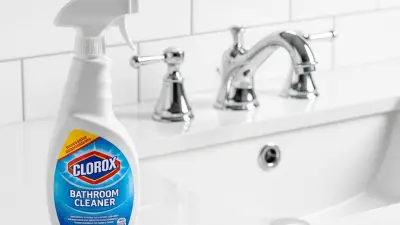
| Clorox Tilex Mold & Mildew | Sodium Hypochlorite & Surfactants | Showers, Tubs, Glazed Tile | 5–10 Minutes |
| Mold & Mildew Cleaner Gel | Concentrated Chlorine Gel | Silicone Caulking, Rubber Seals, Grout Lines | 3–8 Hours |
How Bathroom Mold Cleaners Work
Bathroom mould thrives in high-humidity environments where soap scum and organic residue provide nutrients. Understanding chemical mechanisms ensures you choose the right product for long-term control rather than temporary surface whitening.
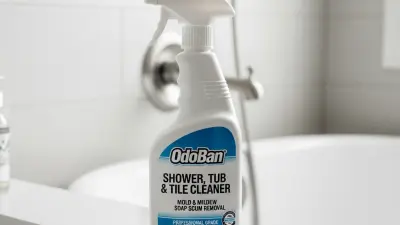
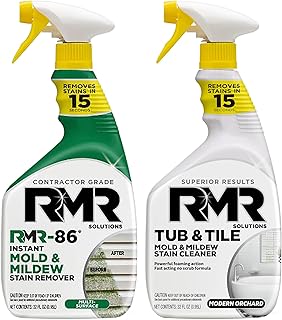
Deep Penetrating Chemical Oxidation: RMR-86 Instant Mold & Mildew Remover
Surface Bleaching vs. Root Encapsulation
Chlorine bleach-based products quickly oxidize fungal pigments, turning black mold invisible almost instantly. While highly effective on glass, fiberglass, and glazed tile, bleach cannot deeply penetrate porous grout or drywall. Chlorine stays on top while water content penetrates deeper, which can occasionally feed underlying fungal roots.
In contrast, inorganic salt-based formulas like Concrobium function by drying over the fungus. As the solution evaporates, it physically crushes the membrane and spores at a microscopic level, creating an invisible antimicrobial shield that prevents future growth.
Step-by-Step Guide to Removing Bathroom Mold
Following a structured process prevents spore cross-contamination to other rooms and ensures full removal from tile grout and shower seams.
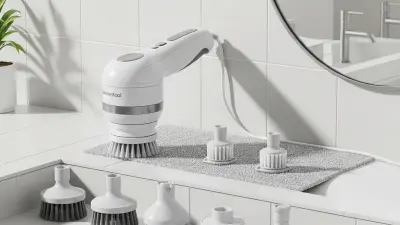
Deep-V Bristle Agitation: Crown Choice Heavy-Duty Grout Brush

- Ventilate the Space: Open bathroom windows and turn on the exhaust fan. Chemical fumes from heavy-duty sprays require continuous air movement.
- Protect Yourself and Nearby Surfaces: Wear nitrile gloves, safety goggles, and a face mask. Cover surrounding metal fixtures or sensitive floor mats. When working around heavy maintenance areas where chemical contact occurs, switching to the best industrial hand cleaner helps remove tough residues from skin post-job without causing severe dryness.
- Apply the Target Cleaner: Spray RMR-86 or Clorox Tilex directly onto non-porous tiles. For black spots along silicone sealant, squeeze a continuous line of concentrated mold gel across the seam.
- Allow Necessary Dwell Time: Let standard sprays sit for 5 to 15 minutes. Let thick gel formulations dwell for 4 to 8 hours (or overnight) to break down deep-seated root networks inside sealant.
- Agitate Lightly and Rinse: Use a narrow grout brush or stiff nylon scrub brush to work the cleaner into recessed joints. Thoroughly rinse all surfaces with warm water using a removable shower head or a bucket.
- Apply an Encapsulating Preventative: Once surfaces are completely dry, spray a fine mist of Concrobium Mold Control over grout lines and allow it to air-dry completely.
Safety and Surface Compatibility Precautions
Using incorrect chemicals on delicate surfaces can cause permanent etching, discoloration, or toxic gas release.
- Never Mix Bleach and Ammonia/Acid: Combining chlorine bleach with vinegar or acidic descalers creates toxic chloramine gas. Always rinse surfaces thoroughly between using different products.
- Protect Natural Stone: Avoid using acidic solutions (like vinegar) or harsh bleach sprays on marble, granite, or limestone. Use pH-neutral stone-safe mold treatments instead.
- Differentiate Fabric Care from Hard Surface Care: High-potency bathroom bleach cleaners should never be used on upholstery or soft furnishings. If you encounter mold issues on soft goods, switch to a specialized carpet extractor combined with the best mattress cleaner formula designed for delicate fabrics.
- Skin Protection: After completing detailed chemical scrubbing, washing up with the best hand cleaner ensures chemical neutralizers restore your hands' natural moisture balance.
Frequently Asked Questions
Is bleach or vinegar better for bathroom shower mold?
Spore-Killing Protective Barrier: RMR-141 Fungicidal Disinfectant

Bleach works best on non-porous surfaces like glazed tile and glass to instantly eliminate dark stains. Vinegar (diluted white acid) penetrates deep into porous grout to kill fungal roots without harsh chemical fumes, though it takes longer to work.
Why does mold keep returning to shower silicone sealant?
Mold grows behind and inside silicone sealant when water gets trapped behind failing caulk. Once spores penetrate under the silicone layer, surface cleaners cannot reach them, requiring full removal and re-caulking with 100% silicone mold-resistant caulk.