Disclosure: As an Amazon Associate, we earn from qualifying purchases.
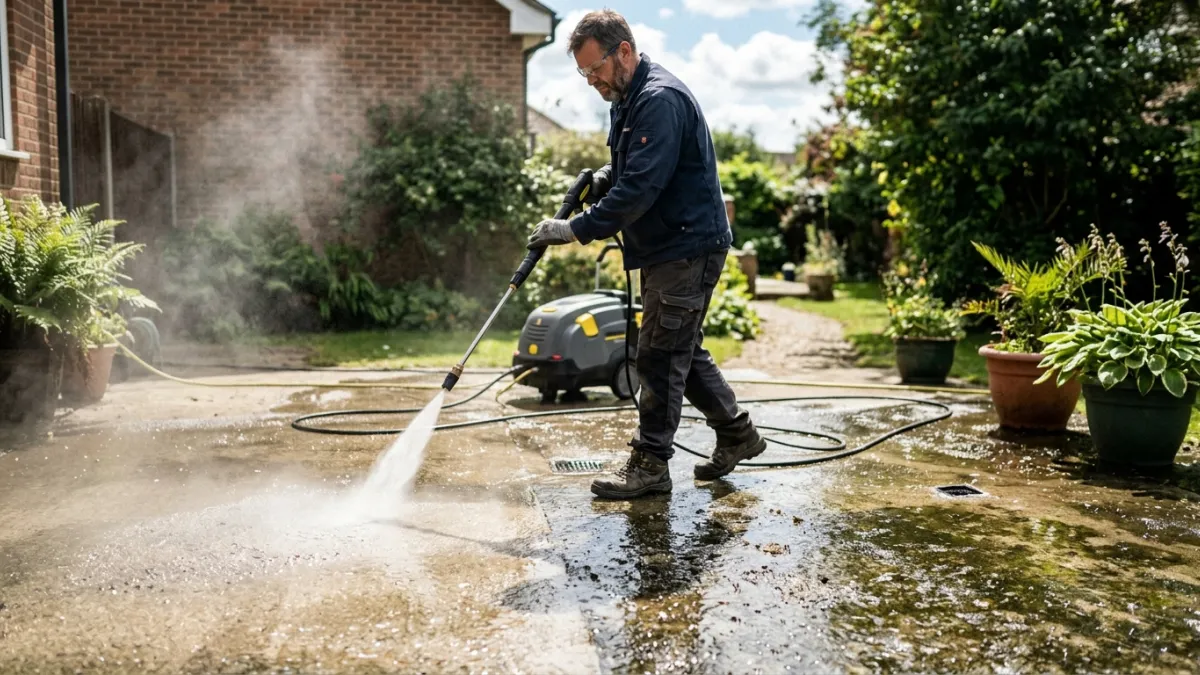
Standard pressure washers rely on raw kinetic force to blast surface contaminants away, but heavy grease, oil, and deeply embedded grime often require thermal energy to loosen their molecular bond. Trying to run boiling water or steam through a standard cold water unit will ruin the pump seals and void your warranty. However, dual-function hot water pressure washers equipped with a steam combination setting allow you to bridge the gap between high-impact washing and gentle, high-temperature steam cleaning.Quick answer: Yes, but you must use a dedicated hot water pressure washer equipped with a wet steam mode or steam valve system. Standard cold water pressure washers cannot produce steam, while hot water units feature internal diesel, propane, or electric heating coils capable of elevating water temperatures up to 250°F–320°F (121°C–160°C) at a lower, safer working pressure of 100–300 PSI.
How Pressure Washer Steam Cleaning Actually Works
Understanding the difference between standard high-pressure washing and wet steam cleaning comes down to water volume, pressure, and heat transfer. Cold water pressure washers rely entirely on physical impact, pushing 2.5 to 5.0 gallons per minute (GPM) at 2,000 to 4,000 PSI. Hot water units raise water temperature to roughly 140°F–200°F, which softens oil and speeds up cleaning on hard surfaces like concrete driveways.
When you switch a dual-system machine into steam mode, internal valves throttle the incoming water volume significantly, dropping the flow from gallons per minute down to gallons per hour (typically 15 to 40 GPH). Because the water moves much slower through the heating coil—usually a heavy-duty Schedule 80 steel pipe exposed to a diesel or propane burner—it absorbs massive amounts of thermal energy. This turns liquid water into superheated vapor and wet steam right before it exits the nozzle.
As the superheated vapor expands coming out of the tip, the operating pressure drops dramatically down to 100–300 PSI. This low-impact, high-temperature output allows you to liquefy grease, strip wax, melt gum, and sanitize surfaces without gouging sensitive substrates, blowing off delicate trim, or forcing water into electrical conduits.
Cleaner's tip: Never attempt to attach an external water heater or kettle feed to the intake of a standard cold water pump. Most residential pump seals and unloader valves are made from nitrile or basic rubber designed for water below 140°F. Pumping hot water or steam directly into a cold-water pump will cause the water seals to melt and fail in minutes. Steam mode must always happen after the pump, inside the heating burner assembly.
Comparing Pressure Washers and Steam Systems
Selecting the right pressure washing gear depends entirely on the material you are cleaning, the type of soil present, and whether high mechanical impact could cause costly damage. Commercial outfits often keep dual-temperature equipment on hand because each mode serves a distinct purpose on the job site.
| Feature / Parameter | Cold Water Pressure Washer | Hot Water Pressure Washer | Pressure Washer Steam Mode |
|---|---|---|---|
| Operating Temperature | Ambient (50°F – 70°F) | 140°F – 200°F | 250°F – 320°F |
| Typical Pressure (PSI) | 1,500 – 4,000 PSI | 2,000 – 3,500 PSI | 100 – 300 PSI |
| Water Flow Rate | 2.5 – 5.0 GPM | 3.0 – 5.0 GPM | 15 – 40 GPH (0.25–0.67 GPM) |
| Grease & Tallow Removal | Poor (requires heavy chemical cleaner) | Good (softens grease quickly) | Exceptional (emulsifies and melts instantly) |
| Surface Damage Risk | High on soft wood, brick, or masonry | Moderate | Extremely Low |
| Typical Equipment Cost | $150 – $800 | $3,500 – $7,000 | $4,500 – $9,000+ |
Cold water units strip loose dirt through sheer force, but petroleum-based grease and animal fats simply smear when hit with high cold pressure. Hot water pressure washing at 180°F works well for large parking garages, but steam mode at 250°F+ provides complete thermal breakdown. Steam emulsifies oils instantly while consuming a fraction of the water, making runoff management much easier in areas with strict wastewater regulations.
Another major factor is safety for the building material itself. High pressure can facilmente etch softwood decking, strip paint off historic brickwork, or destroy mortar joints. Wet steam mode neutralizes mold, moss, and lichens through thermal pasteurization rather than mechanical tearing, protecting delicate exterior surfaces while still providing a thorough deep clean.
High-PSI Thermal Extraction: Commercial Hot Water & Pressure Washing System

Step-by-Step Guide to Operating Steam Mode Safely
Operating a heavy-duty commercial hot water pressure washer in steam mode requires specific safety measures and a precise startup procedure. Extreme thermal energy can easily burn exposed skin or ruin improper hoses if protocols are skipped.
- Verify Hose and Gun Temperature Ratings: Check that your high-pressure hose is a double-wire braided hose specifically rated for temperatures of 250°F to 320°F. Standard rubber hoses will swell, blister, and pop under wet steam pressures. Ensure your spray gun has an insulated heat shield or dual-wand grip to protect your hands from thermal transfer.
- Install the Steam Nozzle or Steam Valve Attachment: Swap your standard quick-connect nozzle for a dedicated steam tip. Steam tips feature wider orifice openings to accommodate vapor expansion without creating excess backpressure inside the heating coil. If your unit features a dual-wand assembly, adjust the steam metering valve according to the manufacturer manual.
- Establish Water Supply and Flush Cold Water: Connect a consistent water supply to the machine's pump intake. Turn on the water faucet, start the engine or electric motor, and squeeze the trigger on the spray gun to flush air and debris out of the line until a clean, cold water stream flows.
- Ignite Burner and Engage Steam Thermostat: Turn on the burner toggle switch (diesel or propane heating coil) and turn the thermostat dial up past the hot water threshold into the steam setting (typically 250°F or higher). If your machine requires manual flow restriction, slowly turn the steam valve knob to decrease water flow and raise the internal coil temperature.
- Execute Safe Cool-Down Before Shutdown: When you finish steam cleaning, switch the burner off first while leaving the water pump running. Squeeze the trigger to flush cold water through the superheated coils for 2 to 3 minutes. This critical step cools the heat exchanger safely and prevents thermal shock, pump vapor lock, and rapid scale formation.
Failing to run a proper cool-down cycle is the single most common cause of premature coil failure on commercial hot water rigs. Water left stagnant inside a 300°F heating coil bakes dissolved minerals out of suspension, coating the inner pipe walls with hard calcium scale that reduces heating efficiency and eventually restricts water flow entirely.
Best Commercial Applications for Steam Pressure Washing
While residential driveways and timber decks rarely require temperatures above 180°F, industrial and commercial facilities regularly rely on steam-capable pressure washers to handle extreme contamination.
1. Commercial Kitchens and Exhaust Hood Degreasing
Kitchen exhaust hoods, grease traps, and restaurant dumpsters gather thick layers of polymerized lard, vegetable oil, and animal fat. Cold water and standard detergents cannot break down caked-on grease traps effectively. Wet steam at 280°F melts stubborn baked-on fats almost instantly, allowing grease to roll down drain channels without splashing contaminated wastewater across kitchen walls.
2. Historic Masonry and Delicate Stone Restoration
Restoring historic sandstone, lime mortar, or soft clay brick requires delicate handling. Blasting old brickwork with 3,000 PSI can blow away original mortar joints and ruin historic facades. Steam mode removes biological growth, soot, and atmospheric pollution at a low 150 PSI, relying on 250°F heat to pasteurize organic roots embedded inside porous stone.
Streak-Free Driveway & Patio Washing: 15-Inch Pressure Washer Surface Cleaner

3. Vehicle Detailing, Engine Bays, and Heavy Machinery
Cleaning commercial diesel engines, hydraulic lines, and transmission casings demands extreme caution around electrical wiring, sensors, and rubber gaskets. High-pressure cold water blasts through wire looms and forces water into sealed connectors. Steam mode melts heavy gear oils, road tar, and asphalt binder without high impact, making it the safest method for engine detailing and field maintenance on heavy equipment.
4. Chewing Gum and Graphiti Removal
Municipal sidewalks, bus stops, and storefront entries frequently accumulate hundreds of hardened spots of discarded chewing gum. Cold water pressure washers simply bounce off hardened gum. Wet steam at 300°F softens the synthetic rubber polymers in seconds, causing the gum to release its bond with the concrete substrate so it can be wiped or light-swept away.
Key Equipment and Safety Considerations
Working with thermal energy at 250°F–320°F requires specialized personal protective equipment (PPE) and strict maintenance schedules. Vaporized spray can cause severe thermal burns in a fraction of a second, and steam spreads heat outwards faster than liquid water drops.
Always wear high-temp rated insulated gloves, heavy rubber steel-toe boots, long pants, and a full-face safety shield when running a pressure washer in steam mode. Standard latex or basic work gloves offer no protection against superheated vapor. Keep bystanders at least 20 feet back from the discharge point to prevent accidental contact with expanding steam clouds.
If you live in an area with hard water (high mineral content), always run a water softener filter line or add a anti-scaling chemical solution like sodium hexametaphosphate to your unit's float tank. Lime scale buildup inside superheated steam coils acts as an insulator, forcing your burner to burn substantially more fuel to achieve target temperatures and eventually clogging internal plumbing completely.
For heavy industrial grease, pairing steam heat with a specialized high-pH alkaline degreaser (pH range of 11 to 13) yields the fastest cleaning speeds. Apply your alkaline cleaning solution at low pressure first, grant a 5 to 10 minute dwell time to loosen the chemical bonds, and follow up with a slow, sweeping pass of 250°F wet steam to rinse the surface bare.
When selecting the right setup for your work, choose a dual-function commercial hot water pressure washer from established brands like NorthStar, Hotsy, Landa, Alkota, or Mi-T-M if you regularly handle heavy vehicle grease, commercial kitchen hoods, or historic restoration projects. If you only need to tackle occasional residential tasks like patio moss or driveway oil drips, renting a commercial hot water unit for the day or sticking to a standard cold water washer paired with a quality degreaser remains the most cost-effective path.
Frequently Asked Questions
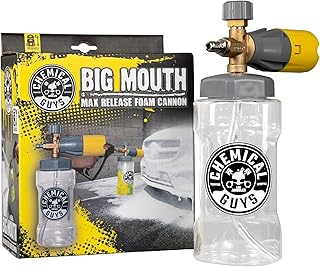
High-Foam Grease Dissolution: Commercial Pressure Washer Concentrate Soap
Can I turn my cold water pressure washer into a steam cleaner?
No, you cannot safely convert a standard cold water pressure washer into a steam cleaner. Cold water pumps, unloader valves, and standard rubber hoses are rated for temperatures up to 140°F maximum. Feeding steam or boiling water through a cold water pump will quickly melt the seals and damage the unit.
What is the difference between a dry steam cleaner and pressure washer steam mode?
Dry steam cleaners operate at extremely low moisture levels (about 5% liquid water) and low pressure (50–90 PSI), making them designed specifically for indoor surfaces, upholstery, grout lines, and detail work. Pressure washer steam mode produces wet steam with higher moisture content at 100–300 PSI, making it suitable for heavy-duty outdoor degreasing and industrial exterior cleaning.
Does steam cleaning kill weed seeds and mold spores on concrete?
Yes, wet steam mode at temperatures above 250°F thermally pasteurizes organic matter upon contact. It destroys mold spores, moss roots, algae, and embedded weed seeds in concrete crevices, delaying re-growth far longer than cold high-pressure washing alone.
How much fuel does a hot water pressure washer burner consume in steam mode?
A diesel or kerosene burner coil on a commercial 300,000 to 400,000 BTU hot water pressure washer typically consumes between 1.5 to 3.0 gallons of burner fuel per hour depending on ambient air temperature and the target steam setting.