Disclosure: As an Amazon Associate, we earn from qualifying purchases.
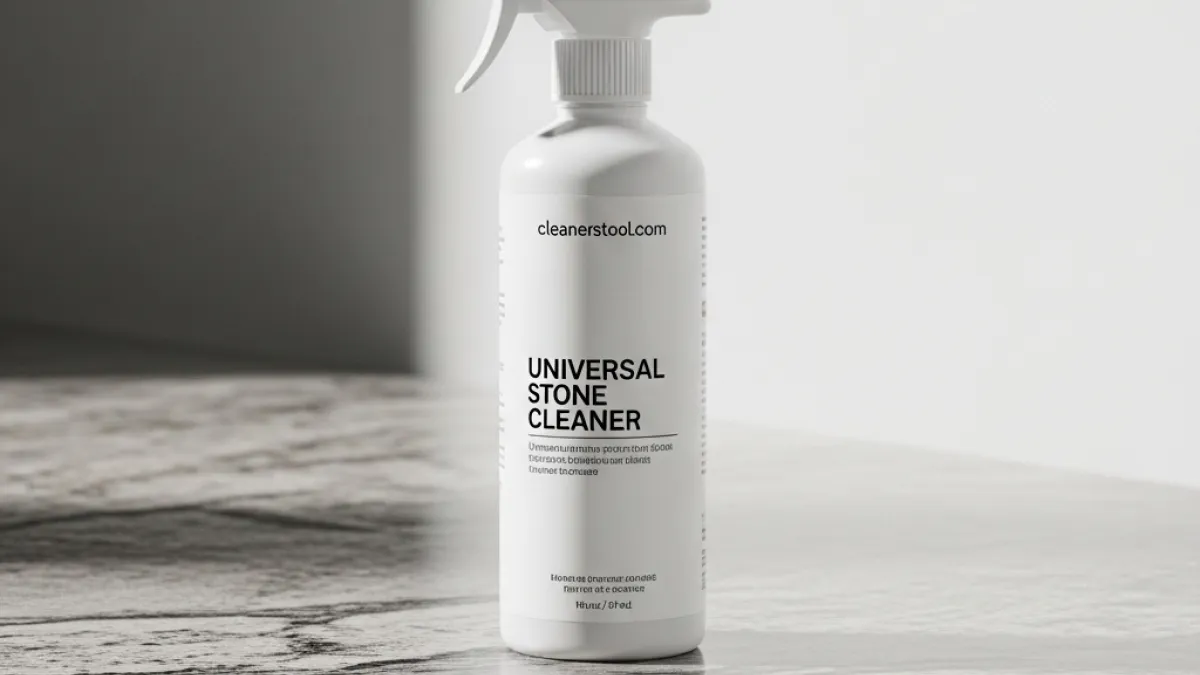
In my 20-plus years running a commercial and residential cleaning service, I have seen almost every mistake home owners and novice cleaners can make. The single most heartbreaking damage I encounter on job sites involves ruined natural stone. I have walked into luxury kitchens where expensive Carrara marble countertops were covered in dull, cloudy etch marks because someone used a popular vinegar-based "eco" spray. I have seen dark granite islands stripped of their protective factory sealer by ammonia-filled glass cleaners, leaving the porous stone wide open to permanent oil stains. Natural stone is a premium material that brings unparalleled elegance to a home, but it demands respect and specific chemistry. That is why finding a safe, multi-surface cleaning paste like Universal Stone Cleaner has been such a reliable fixture in my professional cleaning kit.Quick answer: Universal Stone Cleaner is a non-toxic, non-acidic cleaning paste with a neutral pH of 7–8 that safely lifts grease, soap scum, and grime from natural stone without etching or stripping sealers. Formulated with basic natural ingredients like soap flakes, green soap, vegetable oils, glycerine, fine polishing clay earth, and natural lemon oil, it cleans and leaves a temporary water-repellent finish on marble, granite, travertine, quartzite, and slate.
The Chemistry of Natural Stone: Why Standard Cleaners Cause Irreparable Damage
To understand why a dedicated stone paste is necessary, you first have to look at what natural stone is made of. Stones like marble, limestone, and travertine are calcareous rocks formed primarily of calcium carbonate. Calcium carbonate reacts almost instantly with acids. When an acidic cleaning solution—such as white vinegar with a pH of 2.5, lemon juice at pH 2.0, or typical bathroom descalers with a pH under 3.0—touches a polished marble or travertine surface, a chemical reaction occurs that dissolves the top layer of calcium. This chemical burn is known as etching. It turns a glassy, polished stone surface into a chalky, dull, rough patch in seconds. Etching is not a stain sitting on top of the stone; it is physical damage to the stone structure itself that requires professional mechanical repolishing to fix.
On the other end of the chemical spectrum are highly alkaline cleaners, such as undiluted household bleach at a pH of 12.0 to 13.0 or heavy-duty oven degreasers. While granite and quartzite are siliceous stones made mainly of quartz and feldspar (making them immune to mild acid etching), they are still vulnerable to harsh alkalis. High-pH chemicals break down impregnating stone sealers—the invisible fluoropolymer or silicone barriers applied to porous stone to prevent liquid penetration. Once the sealer is stripped away by harsh chemicals, spilled wine, cooking oil, or coffee can seep deep into the stone's microscopic capillaries, creating deep-set stains that standard wiping will never remove.
Abrasive powders and aggressive scouring pads pose an equally severe mechanical threat. Scouring cleansers containing pulverized quartz or feldspar carry a Mohs hardness rating of 6 to 7. Calcite in marble sits at a soft Mohs hardness of 3, while limestone ranges between 3 and 4. Rubbing a hard abrasive across soft stone creates fine surface scratches that permanently destroy the stone's smooth light reflection. Universal Stone Cleaner solves these chemical and physical hazards by combining a pH-neutral, non-acidic soap base with ultrafine, rounded clay earth particles that mechanically lift surface dirt without scratching the delicate stone underneath.
Key Features and Specifications of Universal Stone Cleaner
Unlike liquid household detergents that rely on synthetic surfactants, harsh chelating agents, or alcohol carriers, original German-formulated Universal Stone paste (historically manufactured by Zielinsky) uses a highly concentrated, solid paste composition. A single 650-gram or 900-gram tub typically lasts 6 to 12 months under regular household use because it contains almost no water weight; you create the active cleaning lather yourself during application.
The entire formulation relies on six basic, eco-friendly ingredients: natural soap flakes, green soap, vegetable oils, glycerine, fine polishing clay earth, and natural lemon oils. Clinical testing and environmental research show the organic components reach 97% bio-elimination within two weeks, making it 100% biodegradable, phosphate-free, and safe for households with children, pets, or individuals with severe respiratory allergies and skin sensitivities. When worked into a rich foam using a damp applicator sponge, the paste lifts surface dirt while glycerine and natural oils leave behind a microscopic hydrophobic barrier—often called a "lotus effect"—that allows water droplets to bead up and roll off stone surfaces, reducing future hard water spots and soap scum buildup.
| Cleaner Type | Typical pH Level | Safe on Marble / Travertine | Preserves Stone Sealers | Risk of Surface Etching |
|---|---|---|---|---|
| Universal Stone Cleaner Paste | 7.0 – 8.0 (Neutral) | Yes (100% Non-Acidic) | Yes (Gentle Formula) | None |
| White Vinegar Solution | 2.4 – 3.0 (Acidic) | No (Severe Damage) | No (Breaks Down Sealers) | Extreme High Risk |
| Standard Household bleach | 11.0 – 13.0 (Alkaline) | No (Discolors / Dulls) | No (Strips Sealer) | High (Strips Surface) |
| Commercial Acidic Descaler | 1.0 – 2.0 (Strong Acid) | No (Destroys Stone) | No (Eats Sealer) | Catastrophic Risk |
Clean, Polish & Protect: The Original Universal Stone Cleaner

Step-by-Step Guide to Cleaning Natural Stone Surfaces
Using Universal Stone Cleaner is straightforward, but achieving a flawless, streak-free polish on natural stone requires the correct technique. Because it is a concentrated solid paste rather than a spray-and-wipe liquid, activating the micro-foam is essential to prevent leaving dried white clay residue in textured stone pores or tile grout lines.
- Saturate the Applicator Sponge: Take the dense foam applicator sponge included with the tub (or a high-density synthetic cell sponge) and submerge it under warm tap water until fully wet. Squeeze out excess water so the sponge remains thoroughly damp but not dripping wet.
- Load the Cleaning Paste: Rub the damp sponge across the solid Universal Stone paste in a quick circular motion 3 to 4 times. You do not need to scoop out chunked product; a thin layer coating the surface of the sponge is more than enough for several square feet of countertop.
- Activate the Foamy Lather: Squeeze the sponge repeatedly in your palm until a rich, thick, white foam develops. The secret to safe stone cleaning is this foam—it encapsulates the fine polishing clay particles and carries the gentle soap surfactants directly to the surface grime.
- Agitate Stone Surfaces Gently: Clean the natural stone using gentle overlapping circular motions. For stubborn grease splatters near stovetops or hard water ring lines around stone vanity sinks, allow the foam to dwell on the stone for 60 to 90 seconds before gently working the area with the sponge.
- Rinse and Buff Dry: Wipe away the foam using a clean microfiber cloth dampened with clear warm water. Immediately follow with a clean, dry microfiber cloth (ideally 300 to 350 GSM for optimal absorbency) to buff the stone dry. This final drying step eliminates water spots and reveals a polished, streak-free shine.
Cleaner's tip: The most common mistake people make with Universal Stone paste is using a dry sponge or failing to rinse the foam completely off textured or honed surfaces. If you see a faint white hazy film after drying, it simply means un-rinsed clay earth residue remained in the micro-texture. Wipe the area down once more with a warm, damp 320 GSM plush microfiber cloth, dry thoroughly, and the dull haze will disappear instantly.
Where Universal Stone Excels (and Surface Limitations)
While Universal Stone Cleaner is one of the most versatile non-toxic cleaners available, knowing where it shines brightest—and where to choose a different specialized technique—will save you time and preserve your stone investments over the long haul.
Ideal Natural Stone Applications
Universal Stone is phenomenal for daily and deep maintenance across a wide variety of indoor and outdoor stone installations:
Professional Stone Care: Safe Cleaner for Granite & Marble

- Polished Granite Kitchen Countertops: Easily cuts through cooked-on cooking grease, dried sauce splatters, and sticky syrup spills without leaving oily residue or damaging the factory sealant layer.
- Marble Bathroom Vanities & Shower Walls: Safely removes toothpaste flecks, hairspray residue, and stubborn water mineral spots without etching sensitive calcium-based Carrara, Calacatta, or Crema Marfil marble.
- Travertine & Limestone Flooring/Tiling: Removes foot-traffic grime and muddy paw prints while staying gentle on open-pored or honed travertine surfaces.
- Quartz & Engineered Stone: Works seamlessly on resin-bound quartz counter tops (such as Silestone or Caesarstone) to lift metal transfer marks left by heavy pots and pans.
- Stainless Steel, Chrome, and Glass Fixtures: As an added bonus, you can wipe directly from your stone countertop onto stainless steel sinks, chrome faucets, and glass stove tops without switching cleaning tools or products.
When to Use Alternative Cleaning Methods
For deep, structural stone issues, Universal Stone is not a magical substitute for specialized stone restoration techniques:
- Deep Oil Stains Inside Unsealed Stone: If vegetable oil or engine grease has soaked deep beneath the surface of an unsealed granite slab, surface cleaning with paste will not draw it out. You must apply a specialized stone poultice (a mixture of absorbent clay powder and solvent/baking soda) left taped under plastic wrap for 24 hours to wick the stain out of the stone capillaries.
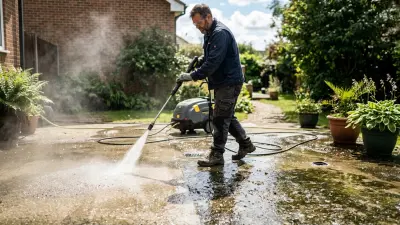
- Heavy Exterior Efflorescence: White, crusty salt deposits migrating out of exterior stone retaining walls or patio pavers require a dedicated professional non-acidic efflorescence remover or light power washing (under 1200 PSI with a 40-degree wide spray tip to prevent eroding soft stone joints).
Frequently Asked Questions
Is Universal Stone Cleaner safe for sealed granite and marble?
Yes. Because Universal Stone Cleaner contains no harsh solvents, acids, or strong alkalis, it will not strip or degrade protective fluoropolymer stone sealers. Its mild pH-neutral formula keeps impregnating sealers intact while lifting surface dirt and grease.
Will the fine clay earth in Universal Stone scratch polished marble?
No. The polishing clay earth used in Universal Stone is ground into extremely microscopic, soft particles designed to gently polish surfaces without scratching soft stones like polished marble, limestone, or onyx. Always test a small hidden area first if working on delicate antique finishes.
Finish Like a Pro: Streak-Free Stone Polishing Cloth

How long does a tub of Universal Stone Cleaner last?
Because it is a highly concentrated solid paste activated with water, a standard 650-gram tub typically lasts 6 to 12 months of regular household cleaning. You only need a few swipes of a wet sponge to generate enough lather for an entire kitchen countertop setup.
Do I need to wear gloves when using Universal Stone Cleaner?
No. Universal Stone Cleaner is completely free of toxic chemicals, synthetic fragrances, phosphates, and acids. It is dermatologically safe and gentle on skin, though wearing light nitrile gloves is always recommended if you suffer from severe eczema or dry skin conditions during prolonged cleaning sessions.
Recommendations for Stone Care Maintenance
If you own marble, granite, travertine, or quartz surfaces, replacing harsh liquid sprays with a neutral, biodegradable paste like Universal Stone Cleaner is one of the easiest ways to prevent costly surface repairs. For daily maintenance, wipe down countertops with warm water and a plush 300–350 GSM microfiber cloth. When grease, water marks, or dull residues build up, bring out Universal Stone Cleaner, lather it with a damp sponge, rinse clean, and dry thoroughly. Coupling this simple routine with a quality stone sealer reapplication every 12 to 18 months will keep your natural stone looking pristine for decades.
Sources
- U.S. Environmental Protection Agency (EPA) - Safer Choice Cleaning Guidance
- Wikipedia - Marble Properties and Calcium Carbonate Acid Reactivity
- Centers for Disease Control and Prevention (CDC) - Safe Cleaning & Disinfection Guidelines
Looking for the Right Tools?
Check out our verified Top Cleaning Tools & Supplies on Amazon.
As an Amazon Associate, we earn from qualifying purchases.