Disclosure: As an Amazon Associate, we earn from qualifying purchases.
Watching a pristine pair of white sneakers develop an ugly mustard-yellow tint along the midsoles is one of the most frustrating experiences for any shoe owner. Most people assume that this discoloration is simply stubborn road grime or ground-in mud, prompting them to scrub furiously with standard dish soap or reach for harsh household bleach. Unfortunately, standard surface scrubbing will never fix the problem if the yellowing is driven by a chemical transformation deep within the rubber matrix. Reversing that discoloration and keeping your footwear crisp requires understanding why white rubber and synthetic compounds turn yellow in the first place, followed by applying a targeted chemical deoxidation routine that permanently neutralizes the issue.
Quick answer: White shoe soles turn yellow due to polymer oxidation caused by UV light, atmospheric oxygen, and trapped moisture. Reversing this discoloration requires applying a 40-volume (12%) hydrogen peroxide developer gel, wrapping the soles tightly in plastic cling wrap, and exposing them to 2 to 4 hours of direct UV sunlight. To prevent future yellowing, wipe away soap residues completely and apply a UV-blocking fluoropolymer shoe protectant.
Understanding Oxidation: Why White Soles Turn Yellow
Surface dirt sits on top of your shoes and washes away easily, but yellowing occurs inside the molecular structure of the outsole. Modern sneaker soles are made primarily from vulcanized rubber, ethyl-vinyl acetate (EVA) foam, or thermoplastic polyurethane (TPU). When these synthetic polymers interact with ambient oxygen, high temperatures, and ultraviolet (UV) radiation from sunlight, the material undergoes a chemical process known as oxidation. During oxidation, the molecular bonds of the synthetic polymers break down, causing the original bright white pigments and optical brighteners to degrade into a brownish-yellow compound.
A widespread mistake made by well-meaning shoe owners is treating oxidized rubber with household chlorine bleach (sodium hypochlorite). Chlorine bleach is a strong alkali that causes an aggressive chemical reaction with synthetic rubber polymers and optical brighteners. Instead of whitening the shoe, chlorine bleach destroys the remaining protective chemical bonds, causing the sole to turn an even deeper shade of yellow almost instantly while degrading the factory adhesives holding the midsole to the upper material.
Chemical residue left behind from improper cleaning habits also accelerates yellowing. When sneakers are washed with high-pH laundry detergents or standard hand soaps and not rinsed thoroughly with clean water, a microscopic alkaline film remains trapped in the porous surface of the sole. As the shoes dry in the sun or heat, this trapped chemical layer bakes into the rubber under ambient UV light, speeding up oxidation and locking in a dingy yellow hue.
Best Methods for Cleaning and Restoring White Soles
Choosing the right restoration approach depends heavily on the specific material of your shoe sole and the severity of the discoloration. Superficial scuffs and dirt require simple mechanical abrasion, whereas deep polymer oxidation demands a dedicated chemical reducing agent to reverse the reaction. Understanding which method suits your specific footwear prevents irreversible damage to delicate uppers and sole glues.
Tarrago Sneaker Sole Restorer solution

Cleaner's tip: Avoid using liquid 3% household hydrogen peroxide straight out of the brown bottle for yellowed soles; liquid formulas run off vertical surfaces quickly and evaporate before chemical deoxidation can take effect. Always use a 40-volume (12%) cream developer from a beauty supply shop or a dedicated sneaker deoxidizing gel. The thick cream formula clings to vertical rubber sidewalls, keeping the active peroxide in continuous contact with the oxidized surface throughout the required UV light cycle.
| Cleaning Method | Best For | Treatment Time | Expected Lifespan |
|---|---|---|---|
| Melamine Foam Sponge (Magic Eraser) | Superficial street scuffs and surface dirt on smooth rubber | 5–10 minutes | Temporary (until next dirt exposure) |
| Baking Soda & Dish Soap Scrub | Light organic stains and routine weekly maintenance | 10–15 minutes | Short-term surface maintenance |
| 40-Volume Developer Cream + UV Exposure | Deep polymer oxidation on solid rubber and icy translucent soles | 2–4 hours | Long-term reversal (6–12 months) |
| White Acrylic Sole Touch-Up Paint | Permanently yellowed EVA foam and Adidas Boost midsoles | 20–30 minutes | Medium-term cosmetic fix (3–6 months) |
Step-by-Step Guide to Unyellowing White Soles
Restoring oxidized white soles back to factory brightness requires systematic surface preparation followed by controlled chemical exposure. Skipping initial surface cleaning will cause road grime and oil to block the peroxide gel, resulting in splotchy, uneven whiteness across the rubber. Follow these precise steps to restore your footwear safely.
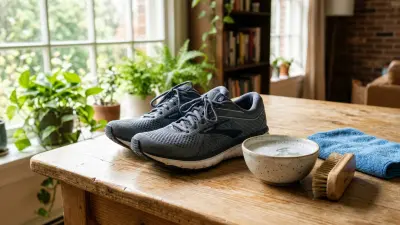
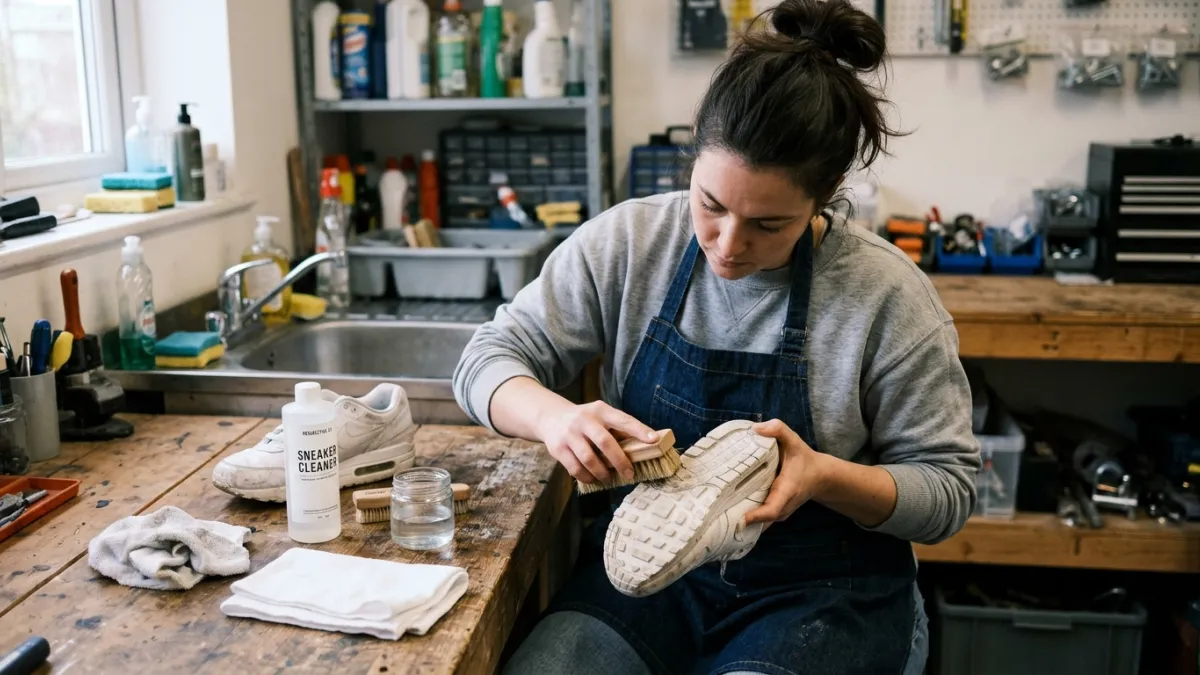
Step 1: Deep Surface Preparation. Before applying any deoxidizing chemical, clean all physical debris from the outer soles. Mix a few drops of pH-neutral dish soap or dedicated sneaker cleaning fluid in warm water. Scrub the entire midsole and outsole using a medium-bristle nylon brush to lift surface oils, road tar, and dirt. Rinse thoroughly with clean water and wipe the shoes dry with a 300 GSM microfiber towel. Once completely dry, cover any adjacent leather, suede, mesh, or canvas uppers with high-tack painter's tape to protect colored materials from accidental chemical contact.
Step 2: Apply the Hydrogen Peroxide Gel. Put on a pair of protective nitrile gloves. Using a clean 1-inch flat paintbrush or an old toothbrush, spread a thick, even layer of 40-volume hair developer cream (12% hydrogen peroxide gel) over all yellowed areas of the rubber sole. Apply enough gel so that the yellowed rubber is completely coated without dry patches. Be cautious around sole edges where glue lines meet the upper material.
Step 3: Wrap and Expose to UV Light. Immediately wrap the treated soles tightly in clear plastic cling film (Saran wrap). The cling wrap seals in moisture, preventing the peroxide gel from drying out while concentrating heat against the sole. Place the wrapped shoes outdoors in direct sunlight for 2 to 4 hours. Solar UV rays act as a catalyst, driving oxygen free radicals into the rubber matrix to break apart yellow oxidized bonds. Rotate the shoes every 45 minutes to guarantee even light distribution across both sides.
Step 4: Rinse and Neutralize chemical Residue. Unwrap the sneakers and immediately rinse off the developer cream under cool running water while scrubbing gently with a soft brush. To ensure no active alkaline peroxide remains on the rubber, wipe down the soles with a microfiber cloth dampened in a 50/50 water and white distilled vinegar solution. The mild acetic acid neutralizes leftover chemical traces, stabilizing the surface pH. Towel-dry the shoes and let them sit in a shaded room away from direct heat sources to finish drying completely.
How to Stop White Soles from Yellowing Again
Angelus Sole Bright 3.9 oz, White Sole Shoe Cleaner, Effectively Removes Yellowing and Restores Original Look - Shoe Sole Whitener for Sneakers, Tennis Shoes, Yellowed Rubber Midsoles

Reversing oxidation returns your soles to their original condition, but preventing the process from recurring requires controlling ambient exposure to oxygen, excess heat, and light. Applying a dedicated protective barrier immediately after restoration is the single most effective defense against future discoloration.
Spray the cleaned, dry soles with a premium sneaker protectant containing active UV blockers. Quality fluoropolymer or nano-ceramic barrier sprays create an invisible hydrophobic shield that repels moisture, street oils, and airborne pollutants while diffusing incoming ultraviolet rays. Reapply a light protective coat every 3 to 4 weeks depending on how often you wear the shoes outdoors.
Storage conditions play a massive role in sole lifespan. Never leave white shoes sitting in direct sunlight near a window, inside a hot garage, or in the trunk of a car, as ambient heat above 85°F (29°C) drastically speeds up polymer degradation. Store white sneakers in a cool, dark, climate-controlled closet inside breathable cotton shoe bags or UV-filtered display boxes. Adding a fresh silica gel packet inside the storage box absorbs ambient humidity that would otherwise react with oxygen on the sole surface.
Recommendations for Long-Lasting White Soles
For quick weekly touch-ups and light scuffs, use a damp 300 GSM microfiber towel paired with a mild pH-neutral soap or a melamine foam sponge. When dealing with moderate to heavy oxidation on solid rubber or icy translucent outsoles, the 40-volume hydrogen peroxide cream method wrapped in cling film and exposed to 2–4 hours of UV sunlight remains the safest, most reliable, and most cost-effective solution. Always complete the process by wiping down the soles with a diluted vinegar rinse and applying a UV-blocking protectant spray to seal the rubber against future environmental breakdown.
Frequently Asked Questions
Can I use household chlorine bleach to make my rubber soles white again?
No, you should never use chlorine bleach on white rubber or synthetic soles. Bleach reacts negatively with rubber polymers and optical brighteners, accelerating the oxidation process and turning the soles an irreversible deep mustard yellow while weakening shoe glues.
RESHOEVN8R Waterproof Shoe Spray - Rain & Stain Protector, 6.5oz

How long does the peroxide unyellowing process take under sunlight?
The chemical deoxidation process takes between 2 and 4 hours under direct sunlight or standard UV light setups. For severely oxidized soles that have yellowed over several years, you may need 2 or 3 separate treatment sessions to fully restore the original color.
Why didn't hydrogen peroxide fix my yellowed Boost or EVA foam soles?
EVA foam and Adidas Boost polyurethane materials yellow due to internal structural material breakdown rather than simple surface oxidation. Chemical peroxide gels cannot reverse structural foam breakdown, so using a specialized oil-based white acrylic sole marker or flexible paint is the correct solution for these specific materials.
Will direct sunlight damage the glue on my sneakers during unyellowing?
Excessive ambient heat can soften factory shoe adhesives if left unmonitored for long periods. Wrapping the soles tightly in cling film keeps the gel moist and regulates surface temperature. Avoid leaving shoes outdoors in extreme temperatures exceeding 95°F (35°C) for more than 3 hours at a time.
Sources
- Wikipedia: Hydrogen Peroxide Properties and Reactions
- Wikipedia: Polymer Degradation and UV Oxidation
- US Environmental Protection Agency (EPA) - Safer Choice Cleaning Standards
Looking for the Right Tools?
Check out our verified Top Cleaning Tools & Supplies on Amazon.
As an Amazon Associate, we earn from qualifying purchases.