Disclosure: As an Amazon Associate, we earn from qualifying purchases.
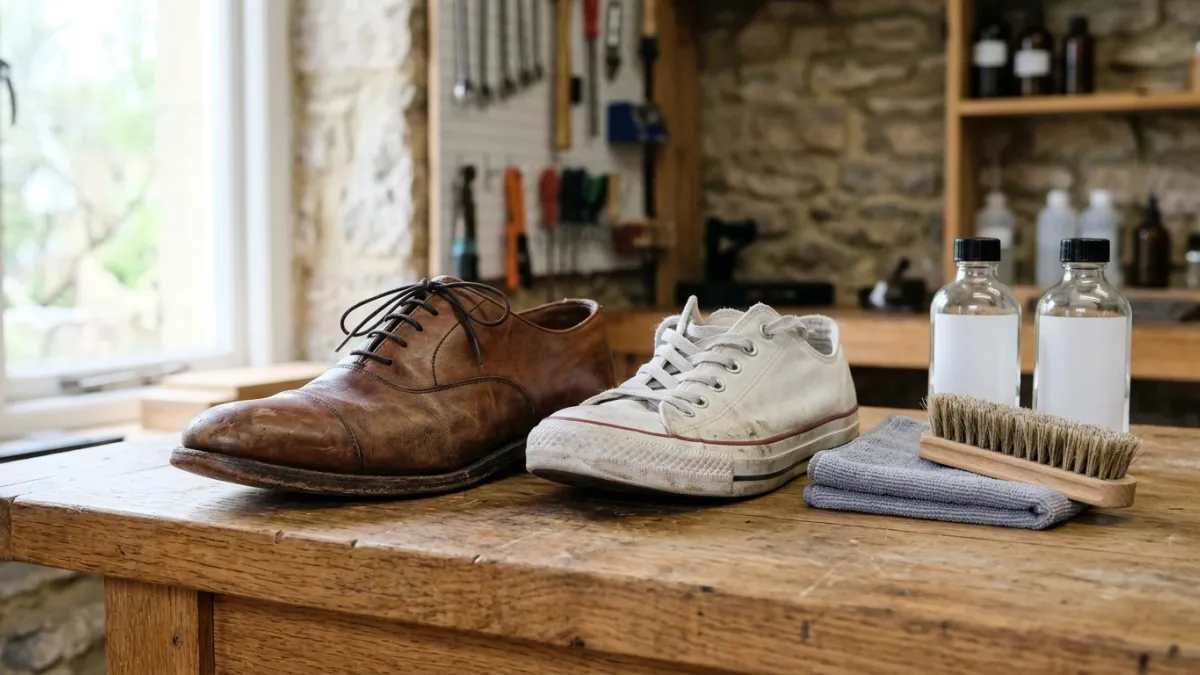
As a professional cleaner with over two decades in the trade, I get asked this question all the time by clients wanting to streamline their utility closet: can you just grab one bottle of cleaner for every pair of shoes in your hallway? The short answer is that while some gentle, pH-neutral cleaners work across multiple materials, specialty leather and canvas cleaners are engineered for completely opposite material physics. Leather is a natural or synthetic porous hide that requires hydration and gentle surface lifting, whereas canvas is a tightly woven fabric that absorbs liquid deep into its fibers and demands deep-surfactant agitation.Quick answer: No, you generally should not use specialized leather cleaners on canvas or vice versa, though a mild, pH-neutral all-purpose sneaker shampoo (pH 6.5–7.5) can handle both in a pinch. Leather cleaners contain heavy conditioning oils that will permanently stain absorbent canvas fibers, while aggressive canvas cleaners and fabric stain removers can strip the protective finish and natural oils right out of smooth leather.
Understanding Material Physics: Leather vs. Canvas
To understand why cleaners react so differently, you first have to look at how these materials are built. Full-grain and top-grain leathers feature an outer epidermis sealed with polyurethane topcoats or natural waxes. When dirt settles on leather, it sits primarily on the surface micro-crevices. Leather formulas rely on low-foaming, non-ionic surfactants paired with natural emollients like mink oil, beeswax, or neatsfoot oil. These ingredients loosen topical dirt while restoring essential moisture so the leather stays supple and does not crack under tension.
Canvas, on the other hand, is usually made from heavy-duty cotton yarn or polyester weaves. It behaves like a thick rug or upholstery material. Dirt does not just sit on top of canvas; it migrates deep into the weave structure as liquids dry. Cleaning canvas requires high-foaming anionic surfactants, oxygenating compounds like sodium percarbonate (found in products like OxiClean), and penetrating agents that break the bond between oil and cotton fibers. If you put a leather cleaner packed with heavy conditioning oils onto a white canvas upper, those oils saturate the absorbent fabric weave, creating stubborn yellowish grease spots that are nearly impossible to wash out.
Conversely, applying an aggressive, high-pH canvas degreaser or detergent to fine leather wreaks havoc on the skin. High-alkaline solutions (pH 8.5 and above) strip the top coat sealant and dry out the collagen matrix of the leather. Within days, you will notice dullness, color fading, and premature cracking along the toe box flex zones. Choosing the wrong product compromises both the appearance and structural lifespan of your footwear.
Cleaner's tip: Never test a new cleaner on the front toe box of a shoe. Always flip the shoe around and perform a tiny spot test on the inside heel quarter or behind the tongue. Wait 15 minutes for it to air dry completely under light; some oil-based leather formulas look fine when wet but dry into distinct tide marks on mixed fabric linings.
Chemical Breakdown and Compatibility Comparison
When analyzing shoe cleaning chemicals in our shop, we pay close attention to pH levels, surfactant types, and solvent loads. Premium leather care products like Lexol Leather Cleaner or Saphir Medaille d'Or are strictly formulated around a neutral pH of 6.0 to 7.0 to match the natural acidic mantle of tanned leather. They contain zero harsh solvents or abrasive particles that could scratch polished surfaces. Canvas formulas, such as Jason Markk Premium Deep Clean Solution or Reshoevn8r Laundry Detergent, utilize higher foam generation to suspend heavy grit out of fabric pores.
Big Shoe Cleaner & Conditioner for Daily Care on All Shoe Types

To help you visually break down what works and what to avoid, here is a breakdown of how common cleaner types perform across different footwear materials:
| Cleaner Type | pH & Active Ingredients | Best Used On | Risk on Wrong Material |
|---|---|---|---|
| Specialized Leather Cleaner | pH 6.0–7.0 / Non-ionic surfactants, light emollients | Smooth leather, pebbled leather, vinyl | Saturates canvas with oils, leaving dark grease spots |
| Deep-Clean Canvas Detergent | pH 8.0–9.5 / Anionic surfactants, sodium percarbonate | Cotton canvas, mesh, synthetic knit | Strips leather finish, causes drying, surface cracking |
| Universal Sneaker Shampoo | pH 7.0–7.5 / Mild plant-based surfactants | Rubber midsoles, synthetic leather, canvas, treated smooth leather | May lack the deep oil-extraction power needed for heavily stained white canvas |
| Saddle Soap (Traditional) | pH 9.0–10.0 / Lye, tallow, beeswax | Heavy work boots, saddlery leather only | Too harsh for soft fashion leathers; clogs canvas weaves completely |
Understanding these chemical boundaries saves you money and prevents catastrophic shoe damage. If you are cleaning multi-material sneakers—such as a classic shoe featuring a leather toe cap stitched onto a canvas side panel—you must adapt your technique. Spraying a single heavy aerosol cleaner across the entire upper will inevitably ruin one of the materials.
Step-by-Step: How to Clean Leather Shoes Safely
Cleaning leather requires a gentle touch, high-density microfiber towels, and moisture control. Moisture is leather's secondary enemy—too much water pushes dirt deeper into stitching holes and ruins internal cardboard counters.
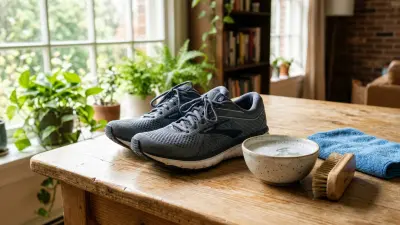
- Dry Dusting: Remove shoe laces and use a soft horsehair brush to sweep away loose dirt, dust, and dried mud from the surface and welt stitching.
- Apply Leather Cleaner: Dispense a nickel-sized amount of pH-neutral leather cleaner onto a damp, clean microfiber cloth (aim for a high-density 300 to 350 GSM cloth to trap dirt without scratching). Never apply cleaner directly to the shoe.
- Gentle Agitation: Work the cleaner into the leather using small, circular motions. Work in distinct panels (toe box, midfoot, heel). You will see the foam turn gray as it lifts surface oils and environmental grime.
- Wipe Clear: Immediately use a clean, dry section of your microfiber towel to wipe away the lather before it dries back into the pores.
- Condition (Crucial Step): Leather loses moisture during cleaning. Allow the shoes to dry naturally for 30 minutes, then apply a tiny amount of leather conditioner using a clean cloth to restore softness and water resistance.
Always avoid drying leather shoes near heat vents, radiators, or direct sunlight. Accelerated drying shrinks the leather fibers, causing permanent warping and brittle surface cracks.
Bick 4 Leather Conditioner & Cleaner, Won't Darken Boots, Couch, Bags 8 oz

Step-by-Step: How to Clean Canvas Shoes Correctly
Canvas requires a dynamic, deep-penetrating cleaning approach. Because fabric absorbs dirt deep into its core, you need medium-bristle nylon scrub brushes and sufficient moisture to create an active foam matrix that floats dirt out to the surface.
- Remove Dry Debris: Knock the soles together outdoors to dislodge caked-on mud. Use a stiff synthetic brush to scrub away dry dirt from the canvas fabric.
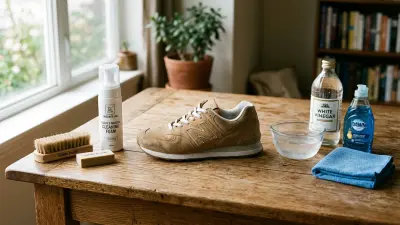
- Mix Solution: Prepare a bowl of lukewarm water mixed with a high-foaming canvas cleaner or a few drops of mild laundry detergent (approximate dilution ratio of 1:20 cleaner to water).
- Dip and Scrub: Dip a medium-bristle brush into the solution, shake off excessive dripping water, and scrub the canvas in firm, straight strokes. Focus extra attention on scuffs and stained areas until a rich white lather forms.
- Blot away Moisture: Unlike leather, which you wipe dry, canvas must be heavily blotted. Press a clean, dry microfiber towel firmly into the canvas to pull the soapy moisture—and suspended dirt—out of the fabric layers.
- Rinse and Air Dry: Dab the canvas with a towel dampened with pure water to remove residual detergent. Stuff the shoes with clean white paper towels to maintain shape and absorb internal moisture, then allow them to air dry in a well-ventilated room for 12 to 24 hours.
Avoid using colored shop rags or newspaper to stuff white canvas shoes during the drying phase; wet canvas acts like a sponge and will wick ink and dye straight into the upper.
Clear Recommendations for Your Footwear Care Kit
If your footwear collection consists mostly of pristine leather dress shoes, classic boots, and smooth leather sneakers, invest in a dedicated leather care kit containing a balanced pH 6.5 cleaner, horsehair brush, and cream conditioner. However, if your daily rotation features fabric runners, canvas high-tops, and mixed-mesh athletic shoes, pick up a specialized canvas solution containing oxygen-bleach boosters and synthetic scrub brushes. For households looking for a single, hassle-free bottle to maintain everyday lifestyle sneakers, choose a certified multi-material sneaker cleaner (priced around $15–$25 per 8oz bottle); just keep in mind that for deep fabric stains or premium calfskin preservation, material-specific products always yield superior, safer results.
Frequently Asked Questions
Can I wash canvas shoes in the washing machine?
SAPHIR Medaille d’Or Omni’Nettoyant - Nubuck & Suede Cleaner Shoe Shampoo

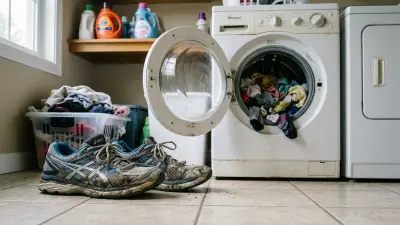
Yes, canvas shoes can generally tolerate a cold, delicate machine cycle. Place the shoes inside a mesh laundry bag, add a couple of bath towels to balance the drum load, use a mild liquid detergent, and disable the spin cycle to avoid damaging the shoe glue. Never put leather shoes in a washing machine.
What happens if I accidentally put leather conditioner on canvas?
Conditioners contain oils and waxes that leave dark, greasy blotches on canvas. If this occurs, immediately apply dry cornstarch or baking soda to the stain, let it sit for 4 hours to absorb the free oils, brush it off, and then scrub the spot with a high-surfactant canvas cleaner or dish soap diluted in warm water.
Can I use saddle soap on smooth leather sneakers?
Saddle soap is generally too harsh for soft, modern sneaker leather. It has a high alkaline pH (often between 9.0 and 10.0) designed to break down heavy grease on thick equestrian leather. Using it repeatedly on fashion sneakers will strip the factory finish and cause dry surface cracking over time.
Sources
- US Environmental Protection Agency (EPA) - Safer Choice Standard for Cleaning Products
- Wikipedia - Leather Crafting and Preservation Methods
- Wikipedia - Canvas Fabric Characteristics and Textile Care
Looking for the Right Tools?
Check out our verified Top Cleaning Tools & Supplies on Amazon.
As an Amazon Associate, we earn from qualifying purchases.