Disclosure: As an Amazon Associate, we earn from qualifying purchases.
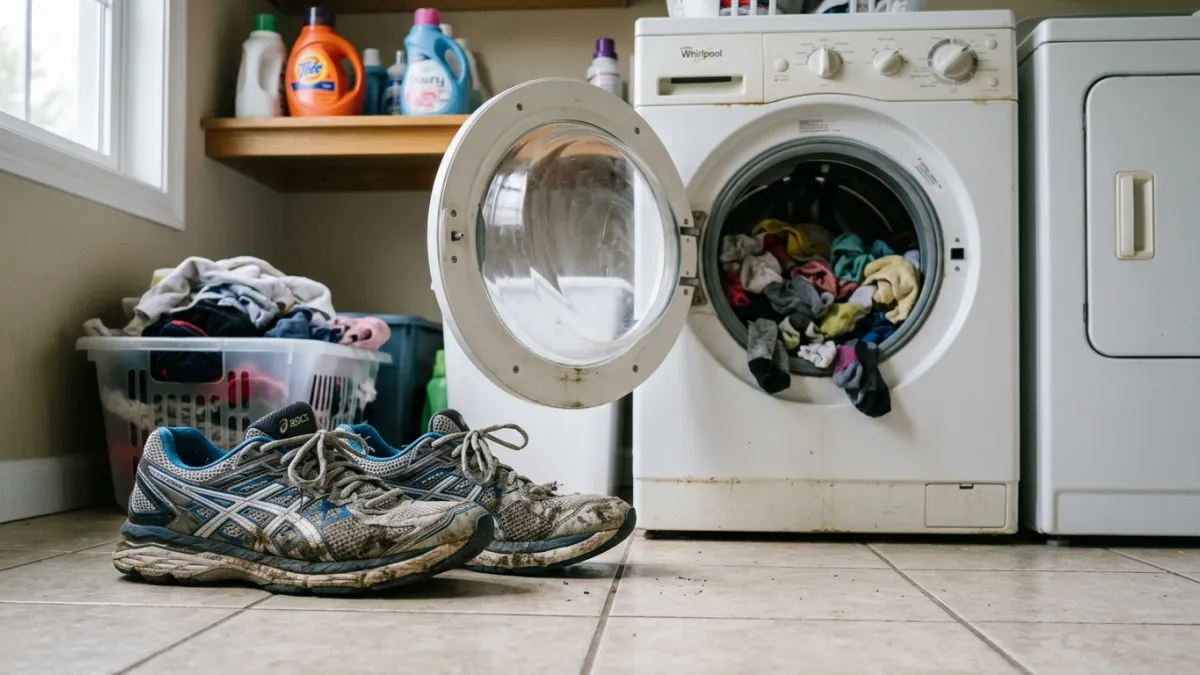
You toss your favorite pair of dirty sneakers into the washing machine expecting them to come out fresh and bright, only to pull them out and realize they still reek of sour sweat and damp mildew. It is one of the most frustrating experiences in household cleaning. Over my 20 years in professional commercial and residential cleaning, I have seen hundreds of clients make the exact same mistake: relying on standard detergent and hot water to cure deep-seated shoe odor. Washing machines excel at removing surface dirt, but shoe fabric, foam insoles, and tight rubber crevices trap organic matter that requires a totally different approach to neutralize properly.
Quick answer: Sneakers retain bad odors post-wash because trapped moisture, sweat-eating bacteria (like Brevibacterium), and fungal spores remain buried inside thick foam padding where laundry detergent cannot penetrate. Standard detergents merely mask smells temporarily rather than killing the microbes responsible. To fix it permanently, you must sanitize the insoles using an enzyme-based cleaner or diluted isopropyl alcohol, then dry the shoes thoroughly using forced warm air or direct sunlight.
The Science of Shoe Odor: Why Water and Detergent Aren't Enough
To fix shoe odor for good, you need to understand what actually creates that pungent smell. Your feet contain roughly 250,000 sweat glands, producing up to half a pint of perspiration every single day during active movement. However, sweat itself is mostly water and salt; it does not actually stink on its own. The real culprit is the complex ecosystem of micro-organisms living inside your shoes. Bacteria such as Brevibacterium feed on dead skin cells and amino acids excreted in foot sweat, breaking them down into volatile organic compounds like isovaleric acid, which produces a sharp, cheesy aroma.
When you submerge a modern running shoe or athletic sneaker in water, the thick ethylene-vinyl acetate (EVA) midsole and polyurethane cushioning act like a dense sponge. Standard laundry detergents, which typically operate in a neutral to slightly alkaline pH range (around pH 7.5 to 8.5), are designed to lift surface oils and soil from thin woven textiles. They fail to penetrate the thick layers of bonded foam where bacteria form stubborn biofilms. Furthermore, if you wash your shoes without using a disinfectant or specialized enzymatic cleaner, the warm water inside your washer tub simply reactivates dormant bacterial colonies without killing them.
Another major reason sneakers stink post-wash is improper drying techniques. Modern athletic footwear contains multi-layered materials held together by industrial adhesives. If moisture stays trapped inside the internal padding for longer than 12 to 18 hours, mold and mildew spores begin colonizing the interior, creating a musty smell that quickly overwrites any faint laundry perfume. If you put your shoes away even slightly damp, you have essentially built a high-humidity incubator for micro-organisms.
Cleaner's tip: Never toss glued sneakers into hot water or dry them on high heat in a tumble dryer. High heat breaks down polyurethane adhesives, causing soles to delaminate within a few washes. Instead, use cool or lukewarm water (under 86°F / 30°C) paired with a high-grade disinfectant, and rely on forced-air shoe dryers or dry towels for air circulation.
The Common Washing Mistakes That Keep Sneakers Smelling Bad
Most people throw their shoes in the wash with their regular laundry load using standard laundry pods or liquids. This simple routine overlooks several critical step-by-step cleaning rules. First, leaving insoles inside the shoe during the wash cycle prevents detergent and water from circulating around the footbed, which is the ground zero for foot sweat and skin cell accumulation. Insoles must always be removed and treated separately.
FunkAway Odor Eliminator Spray, Air Freshener for Home & Car, 8 oz, 3 Pk

Second, using excessive laundry detergent or heavy fabric softeners actually compounds the odor problem. Fabric softeners leave behind a thin silicon-based coating designed to make towel fibers feel plush. On shoes, this chemical barrier seals in bacteria and dampness, preventing the internal core of the shoe from drying completely. Over time, softener residue builds up into a waxy substance that acts as fuel for bacteria, making the stink return faster every time you wear them.
Finally, washing shoes alongside heavy denim jeans or bulky towels reduces the mechanical friction necessary to break up grime inside the toe box. Conversely, washing sneakers completely alone causes them to slam aggressively against the washer drum, potentially damaging the machine's balance sensors while failing to scrub the interior lining. You need a dedicated mesh laundry bag and balanced balance loads (like a few old microfibers) to achieve maximum cleaning power.
Effective Solutions: How to Deodorize and Sanitize Smelly Sneakers
Fixing stubborn sneaker odor requires a targeted chemical and mechanical strategy. Instead of relying solely on your laundry machine, follow this practical cleaning protocol designed to eliminate bacteria, destroy fungi, and restore your shoes to fresh condition.
Step 1: Disassemble and Prep
Remove the shoelaces and pull out the insoles completely. If your insoles are glued down permanently, do not tear them out; instead, prepare to saturate the interior directly with an enzyme-based cleaner like OxiClean Odor Blasters or a specialized disinfectant. Shake off any loose dirt from the outsoles using a stiff-bristled brush.
Step 2: Deep-Clean the Insoles
Insoles hold 80% of the lingering smell. Submerge them in a basin filled with warm water mixed with 2 tablespoons of an oxygen bleach powder or an EPA-registered fabric disinfectant (such as Lysol Laundry Sanitizer). Allow a minimum dwell time of 15 to 20 minutes. For aggressive smells, scrub the topside of the insoles with a medium-density nylon detail brush mixed with dish soap (neutral pH 7.0) before rinsing in cold water.
Step 3: Machine or Hand Wash the Shoe Body
Place the shoes and laces inside a zippered mesh laundry bag. Set your washing machine to a gentle or delicate cycle using cold water. Add a recommended dose of laundry detergent alongside 1/2 cup of distilled white vinegar (5% acetic acid) into the fabric softener compartment to help neutralize alkaline odorous compounds, or use an EPA-registered laundry sanitizer in the rinse cycle. For delicate leather or suede sneakers, skip the washing machine entirely; clean exterior surfaces with a dedicated shoe cleaner and spray the interior with 70% isopropyl alcohol.
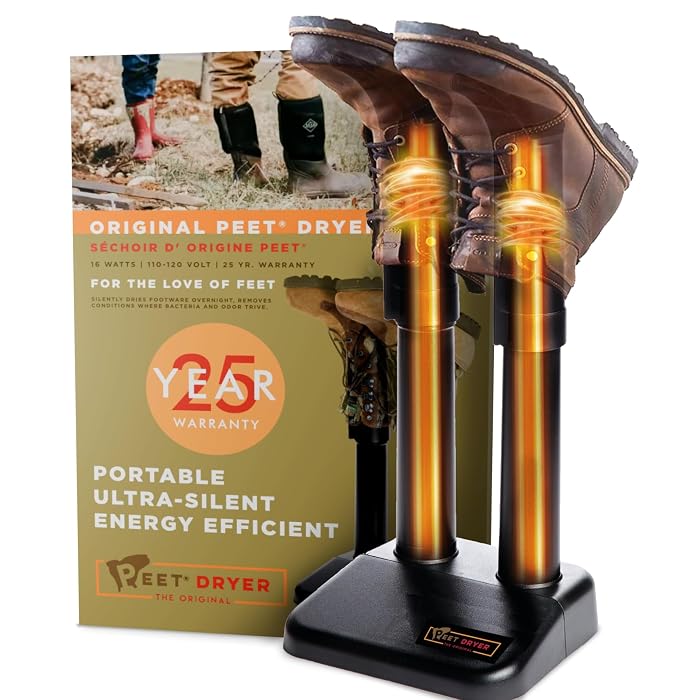
PEET, Original Dryer, Electric Shoe Dryer, Work Boots, Outdoor Gear, Athletic Gear, Silent,Energy-Efficient, Made in USA
Step 4: Execute Proper Drying Protocol
Remove the sneakers immediately after the rinse cycle finishes. Stuff the interior tightly with unprinted newsprint, clean microfiber cloths (300+ GSM absorbency), or paper towels to draw out internal moisture. Place the shoes in a well-ventilated area away from direct radiant heat sources. For best results, use an electric boot dryer with low warm air flow, which can dry dense shoe foam in under 3 hours without warping structural polymers.
Deodorizing Methods Compared: What Works Best?
Not all shoe cleaning hacks deliver the same results. Homemade solutions like baking soda work fine for light maintenance, but stubborn microbial odors demand commercial-grade treatments. The comparison table below evaluates popular deodorizing techniques based on active ingredients, contact time, and efficiency.
| Deodorizing Method | Primary Active Agent | Required Dwell/Contact Time | Odor Removal Efficiency |
|---|---|---|---|
| Standard Laundry Detergent | Anionic/Nonionic Surfactants | 15 - 30 minutes | Low (Cleans surface dirt, leaves foam bacteria behind) |
| EPA Laundry Sanitizer | Quaternary Ammonium Compounds | 15 minutes soak | Very High (Kills 99.9% of bacteria and fungi) |
| 70% Isopropyl Alcohol Spray | Alcohol (Sanitizing Spirit) | 10 minutes (Air dry) | High (Denatures proteins, quick evaporation) |
| Enzyme-Based Cleaner | Protease / Amylase Enzymes | 30 - 60 minutes soak | Very High (Digests organic sweat deposits & biofilms) |
| Baking Soda (Dry Soak) | Sodium Bicarbonate | 8 - 12 hours | Moderate (Absorbs moisture, mild neutralization) |
Preventative Maintenance: Keeping Your Shoes Fresh Long-Term
Once you have eliminated lingering smells from your sneakers, taking simple preventative steps will prevent odor-causing bacteria from building back up. Maintenance is far easier than deep cleaning ruined footwear.
- Rotate Your Footwear: Never wear the same pair of sneakers two days in a row. Dense EVA foam soles require 24 to 48 hours to fully off-gas and shed trapped moisture.
- Use Moisture-Wicking Socks: Avoid 100% cotton socks, which absorb and hold foot perspiration directly against your skin and shoe lining. Opt for synthetic blends (polyester, nylon) or natural Merino wool that pull moisture away from the footbed.
- Apply UV Light or Air Circulation: Exposure to natural sunlight for 1 to 2 hours after intense athletic activity utilizes ultraviolet radiation to kill surface bacteria naturally. Alternatively, store shoes on an open-wire rack rather than tucked inside a closed dark closet.
- Sprinkle Cedar Chips or Charcoal Bags: Insert activated charcoal pouches or cedar inserts into your shoes overnight. Activated charcoal adsorbs moisture and trapped VOCs, keeping internal humidity levels well below the threshold required for mold growth.
For everyday sneaker wearers and athletes alike, the key to clean-smelling shoes is eliminating bacteria at the root using specialized sanitizers rather than relying on standard detergent alone. If your sneakers are made of washable canvas or synthetic mesh, soaking the removable insoles in an EPA-registered laundry sanitizer or an enzyme solution like OxiClean Odor Blasters (priced around $8 to $14) is your absolute best first step. Combined with proper air-drying using a dedicated shoe dryer or stuffed microfiber towels, you can completely eradicate stubborn odors and double the lifespan of your favorite footwear.
Moso Natural Shoe Deodorizer Inserts (3 Pack) Charcoal Odor Absorber

Frequently Asked Questions
Can I put leather sneakers in the washing machine to get rid of smells?
No, you should never submerge natural leather or suede sneakers in a washing machine. High water saturation strips natural oils from leather, causing cracking, stiffening, and color bleeding. Instead, clean the exterior with a leather-safe soap, replace or hand-wash the insoles separately, and mist the internal textile lining with 70% isopropyl alcohol to kill bacteria.
Why do my shoes smell like ammonia after washing?
An ammonia scent usually indicates that sweat deposits rich in urea were broken down by specific bacteria during or after the wash cycle. This happens when shoes stay damp for too long or when detergent fails to sanitize the shoe interior. Soak the insoles in an oxygen-bleach or enzymatic solution and use accelerated warm-air drying to eliminate the chemical byproduct.
Does putting sneakers in the freezer kill odor-causing bacteria?
Freezing sneakers is an ineffective myth. Extreme cold puts bacteria into a dormant state rather than killing them outright. As soon as you put the shoes back on and your feet warm up the material, the bacteria reactivate immediately and resume producing foul odors.
Sources
- CDC Guidance on Cleaning and Sanitizing Household Items
- EPA Registered Disinfectants and Sanitizers Guide
- Wikipedia: Brevibacterium and Foot Odor Microbiology
Looking for the Right Tools?
Check out our verified Top Cleaning Tools & Supplies on Amazon.
As an Amazon Associate, we earn from qualifying purchases.