Disclosure: As an Amazon Associate, we earn from qualifying purchases.
Nothing ruins a crisp outfit faster than pulling out your favorite pair of white sneakers only to find unsightly yellowing across the mesh, canvas, or rubber midsoles. As a professional cleaner with over two decades of experience restoring everything from high-end footwear to heavily soiled commercial carpet, I see this issue constantly. Most people assume that dumping bleach on white shoes is the ultimate whitening shortcut, but that is actually the main reason shoes turn yellow in the first place. Bleach reacts chemically with synthetic fabrics, adhesives, and rubber compounds, leaving behind permanent chemical burns and severe oxidation.Quick answer: Removing yellow stains without bleach requires identifying whether the cause is detergent residue or fabric oxidation. For residue and surface oxidation, scrubbing with a paste of baking soda and 3% hydrogen peroxide (pH ~10 combined) or soaking in an oxygen-based cleaner like OxiClean (diluted 1 oz per gallon of warm water) safely breaks down yellowed bonds without damaging shoe fibers.
Why Do White Shoes Turn Yellow?
To treat yellow discoloration effectively, you have to understand the chemical reactions taking place on your shoes. Yellowing is rarely standard dirt; it is usually the result of trapped chemical residues, UV oxidation, or harsh cleaning agent reactions. When you wash canvas or mesh shoes with standard household laundry detergent or dish soap and fail to rinse them completely, alkaline detergent compounds remain trapped in the weave. As the shoes dry in the sun, heat and ultraviolet light oxidize these chemical deposits, pulling them to the surface as bright yellow rings.
The second major culprit is chlorine bleach itself. Chlorine bleach breaks down the protective top coatings on synthetic leathers and dissolves the factory bonding glues hidden beneath rubber midsoles. When that glue melts, it bleeds outward, staining the white fabric yellow. Additionally, sun exposure triggers a natural chemical process known as photo-degradation. Sunlight breaks down polymer chains in white rubber and plastic, shifting their appearance from bright white to a dull, yellowish hue over time.
Finally, improper drying techniques exacerbate the problem significantly. Leaving soaking wet sneakers to dry under direct, high-heat sunlight forces water to evaporate faster than the trapped minerals and surfactants can escape. Water naturally migrates toward the surface as it dries, concentrating all the residual dirt and mineral deposits along the outer edges of the fabric. Knowing which type of stain you are dealing with helps you pick the exact cleaning paste or chemical solution needed to reverse it.
Best Non-Bleach Methods for Removing Yellow Stains
Over the years, I have tested dozens of shoe cleaning formulas, ranging from specialized commercial sprays to everyday household ingredients. The key to restoring white shoes without damaging delicate stitch lines or structural adhesives is choosing non-corrosive, oxygenating, or mild acid-base solutions. Below is a practical summary table comparing the most effective non-bleach cleaning methods based on material safety, cost, and typical dwell times.
| Cleaning Method | Target Material | Key Ingredients / Chemical Profile | Dwell Time |
|---|---|---|---|
| Hydrogen Peroxide & Baking Soda | Canvas, Mesh, Fabric Knits | 3% H2O2 + Sodium Bicarbonate (Mild Alkaline Paste) | 30 - 45 Minutes |
| Oxygen-Based Powder (OxiClean) | All Fabrics & Laces | Sodium Percarbonate (pH ~10.5 Solution) | 2 - 4 Hours (Soak) |
| White Vinegar & Water Flush | Detergent Residue / Alkalinity | 5% Acetic Acid Dilution (Mild Acid Rinse) | 10 - 15 Minutes |
| Sole De-Oxidizer Cream (Developer) | Rubber & Translucent Outsoles | 40 Volume (12%) Peroxide Gel + UV Light | 1 - 2 Hours |
Method 1: Baking Soda and Hydrogen Peroxide Paste
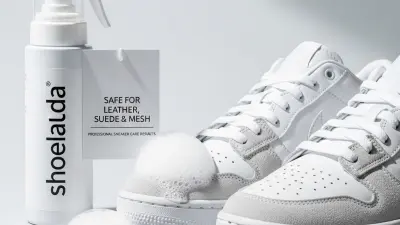
Angelus Sole Bright 3.9 oz, White Sole Shoe Cleaner, Effectively Removes Yellowing and Restores Original Look - Shoe Sole Whitener for Sneakers, Tennis Shoes, Yellowed Rubber Midsoles

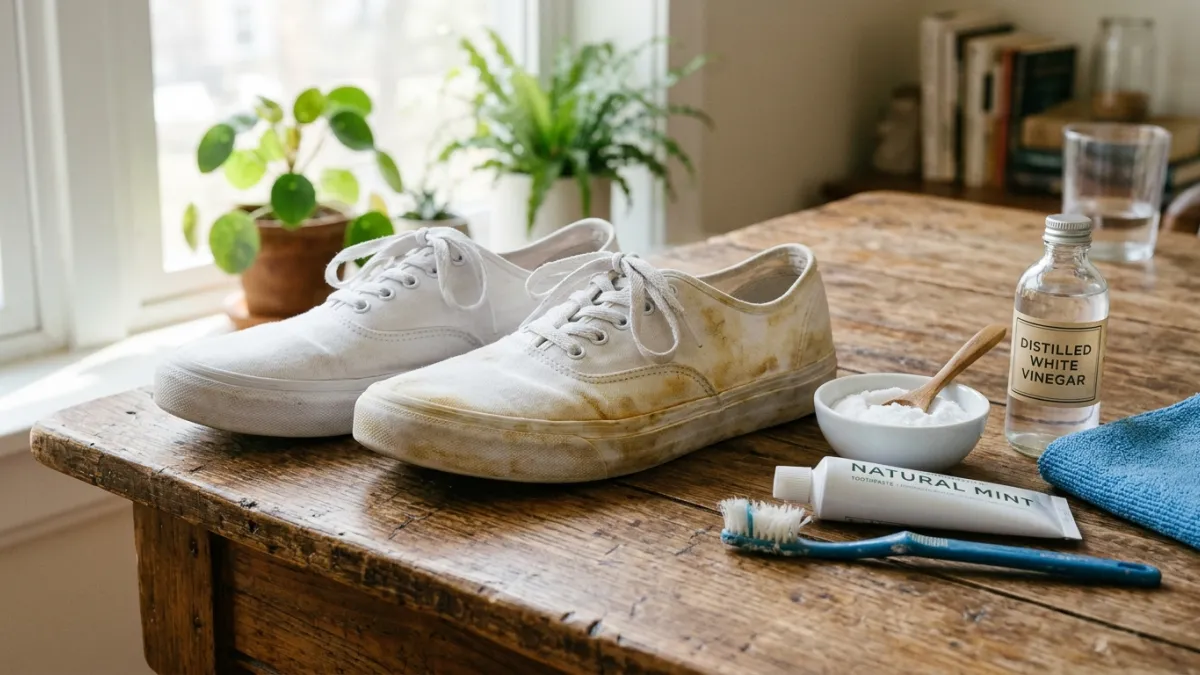
This is my absolute go-to formula for canvas and breathable mesh shoes like Vans, Converse, or Adidas NMDs. Hydrogen peroxide (standard 3% household concentration) acts as a safe, non-chlorine oxidizer, while baking soda provides microscopic abrasive power without scratching fabric threads. Mix one tablespoon of baking soda, one tablespoon of hydrogen peroxide, and one tablespoon of warm water in a small bowl until it forms a creamy paste.
Using a soft-bristle detail brush or an old toothbrush, work the paste into the yellowed areas using small circular motions. Apply a generous layer over the entire shoe to ensure uniform brightness, as spot cleaning can sometimes leave visible water boundaries. Allow the paste to dry completely in a warm room away from direct sunlight for about 30 to 45 minutes. Once the paste hardens into a chalky crust, brush it off with a dry stiff brush and wipe the remaining residue with a damp microfiber towel (preferably 300+ GSM density for maximum lift).
Method 2: Oxygen-Based Cleaner Soak (OxiClean Routine)
When dealing with heavily yellowed full-fabric sneakers or dingy shoelaces, an oxygen bleach soak works absolute wonders. Sodium percarbonate (the active ingredient in products like OxiClean or Vanish) releases oxygen ions when dissolved in water, actively breaking up organic compounds and neutralizing chemical yellowing without destroying synthetic dyes or cotton fibers.
Fill a basin with one gallon of warm water (roughly 105°F to 115°F to properly activate the oxygen granules) and mix in one scoop (approx. 1 oz) of oxygen powder until completely dissolved. Remove the insoles and laces from your sneakers, then submerge the shoes fully in the solution. To keep lightweight mesh sneakers from floating, weigh them down with a clean, heavy glass bowl. Let them soak for two to four hours. Afterward, scrub the upper fabric lightly with a soft brush, rinse thoroughly under cool running water, and squeeze out excess moisture with a clean towel.
Cleaner's tip: The single biggest mistake people make when cleaning white shoes is letting them air dry under direct, blistering sunlight after washing. Sunlight triggers rapid oxidation of leftover moisture and draws residual soap to the surface. Always dry your sneakers in a well-ventilated, indoor area with an electric fan blowing directly on them. To prevent yellow water rings, stuff the insides tightly with plain white paper towels; as the shoes dry, the paper towels absorb the lingering mineral-laden water via capillary action, pulling any potential yellowing out of the shoe fabric and into the paper.
Step-by-Step Guide: Restoring Yellowed Rubber Midsoles
Yellowing on thick rubber midsoles—like those found on Air Force 1s, Jordan 1s, or platform sneakers—is typically caused by deep oxidation rather than detergent build-up. Surface wiping with standard dish soap will not remove this deep chemical yellowing. You need a dedicated oxidizing cream routine to draw the yellow cast back out of the rubber compounds.
- Clean the Surface Thoroughly: Wipe down the rubber midsole with an all-purpose cleaner or isopropyl alcohol (70% concentration) to remove surface grime, wax, and street oil. This step ensures maximum penetration of your restoring agent.
- Apply 40 Volume Hair Developer Cream: Put on nitrile gloves and apply a generous, even layer of 40 Volume (12% hydrogen peroxide) developer gel or specialized sole-brightening cream onto the yellowed rubber areas using a small paintbrush. Avoid letting the cream touch upper canvas, leather, or suede panels.
- Wrap in Clear Plastic Wrap: Wrap the entire midsole tightly with clear plastic food wrap. The plastic wrap prevents the peroxide cream from drying out prematurely, allowing the active ingredients to continuously react with the oxidized rubber.
- Expose to Sunlight or UV Light: Place the wrapped sneakers outdoors in direct sunlight or under a 36W UV curing light for 1 to 2 hours. Rotate the shoes halfway through to ensure equal exposure on both sides. Heat and UV rays activate the peroxide gel to reverse oxidation rapidly.
- Rinse and Wipe Clean: Remove the plastic wrap, wipe away the dried cream using a damp microfiber cloth, and rinse the midsole with cool water. Wipe dry immediately with a clean towel.
Stardrops The Pink Stuff Cleaning Paste 500g, Multi Purpose Cleaner for Kitchen, Bathroom, Tiles, Glass, Shower, Oven, Sink, Stainless Steel, Removes Grease, Grime & Stains

Preventative Care and Drying Best Practices
Preventing yellow stains is vastly easier than restoring yellowed fabric after the fact. The golden rule of sneaker maintenance is thorough rinsing. Whenever you clean your shoes with any detergent, laundry soap, or foaming shoe cleaner, rinse the upper material at least three times using clean water. Any soap residue left inside the fabric weave will turn yellow once exposed to ambient room heat and light.
Additionally, pay close attention to your drying environment. Never throw white sneakers into a high-heat clothes dryer; high thermal exposure melts structural adhesives, pushing yellow glue straight into your white knit fabric. Instead, store them in a climate-controlled room with high airflow. Using shoe trees or stuffing the toe boxes with unprinted white paper towels maintains the shoe's shape while accelerating interior moisture removal.
Finally, protect your clean sneakers with a quality fluoropolymer-based stain and water repellent spray. Applying two light coats of a dedicated shoe protector creates an invisible hydrophobic barrier. This barrier prevents dirt, muddy water, and environmental oils from penetrating the porous fabric weave, ensuring future cleaning requires only a light rinse rather than an intensive deep-clean process.
What Is the Best Approach for Your White Sneakers?
Selecting the right method depends entirely on your shoe's material and the specific source of the yellow stain. If your canvas sneakers turned yellow after a recent wash, the culprit is detergent residue—use a 50/50 white vinegar and warm water flush combined with paper towel stuffing to neutralize and extract the alkalinity. For overall maintenance on white mesh, prime knit, or canvas uppers, the baking soda and 3% hydrogen peroxide paste delivers the safest, most consistent whitening results without chemical wear. If you are trying to restore aged, yellowed rubber soles on classic leather court shoes, skip fabric pastes entirely and opt for a dedicated 40 volume peroxide cream treatment paired with UV light exposure.
Frequently Asked Questions
Why did my white shoes turn yellow after washing them?
Crep Protect Shoe Protector Spray - Rain & Stain Waterproof Nano Protection for Sneaker, Leather, Nubuck, Suede & Canvas (Pack of 2)

White shoes usually turn yellow after washing because chemical soap residue was left trapped inside the material fibers during rinsing. As the shoe dries, water evaporates and carries the residual alkaline soap particles to the surface, where sunlight and oxygen oxidizes them into yellow rings.
Is hydrogen peroxide safe for all white shoe fabrics?
Yes, standard 3% household hydrogen peroxide is safe for white canvas, synthetic mesh, cotton laces, and rubber. However, avoid soaking genuine suede or delicate un-dyed leathers in liquid peroxide, as excessive moisture can stiffen leather and ruin suede nap textures.
Can lemon juice remove yellow stains from sneakers?
Lemon juice contains citric acid, which can break down light yellow stains and organic dirt on canvas. However, lemon juice must be thoroughly rinsed out; if left on the fabric under direct sunlight, natural sugars and concentrated citric acid can actually cause brown or yellow sun-scorch marks.
How long does it take for hydrogen peroxide and baking soda to work?
The baking soda and hydrogen peroxide paste typically needs 30 to 45 minutes to dry completely on the shoe surface. During this drying process, the active oxygen pulls surface discoloration out of the fabric into the dry crust, which is then brushed away easily.
Sources
- US Environmental Protection Agency (EPA) - Safer Choice Standard & Chemical Safety Guidelines
- Centers for Disease Control and Prevention (CDC) - Chemical Cleaning & Disinfection Guidelines
- Wikipedia - Hydrogen Peroxide Oxidation Properties
Looking for the Right Tools?
Check out our verified Top Cleaning Tools & Supplies on Amazon.
As an Amazon Associate, we earn from qualifying purchases.