Disclosure: As an Amazon Associate, we earn from qualifying purchases.
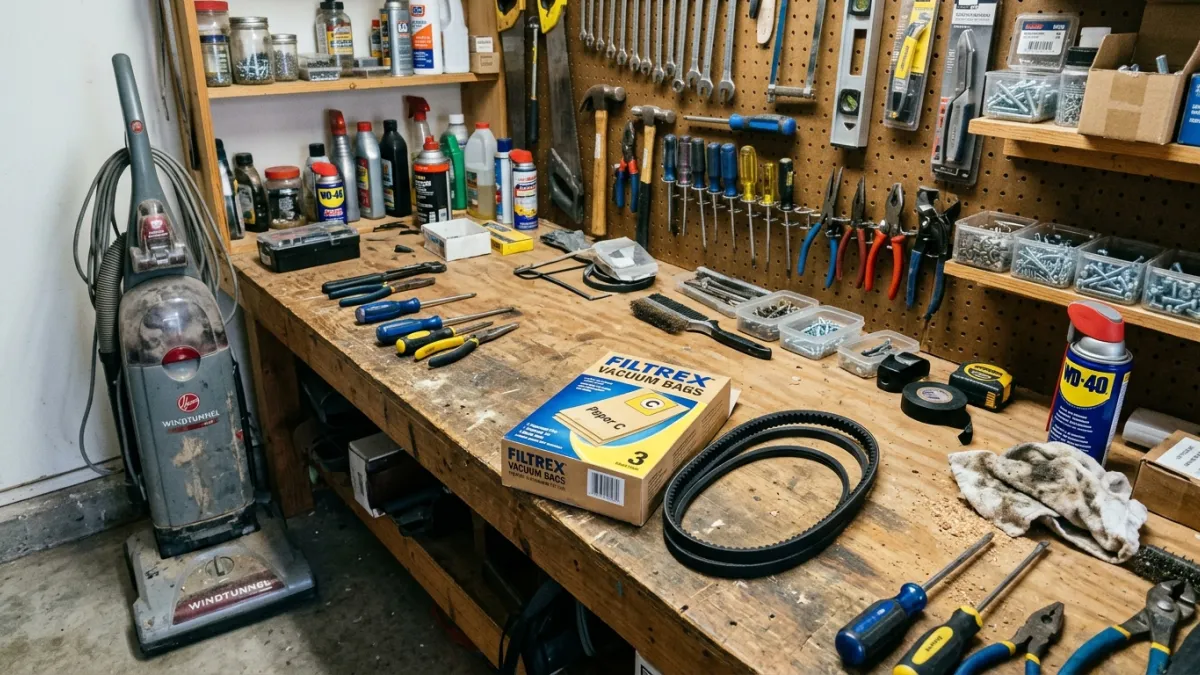
Maintaining peak vacuum performance comes down to two components that most homeowners ignore until the machine stops picking up dirt entirely: the drive belt and the dust bag. When a vacuum loses suction, starts blowing warm dust into the living room, or leaves a faint burnt-rubber smell in its wake, the culprit is rarely a dead motor. In more than 20 years of repairing and testing commercial and residential cleaning gear, I have found that nearly 80 percent of common vacuum failures stem directly from stretched-out belts or severely overfilled dust bags.
Quick answer: Standard rubber vacuum belts should be replaced every 6 to 12 months under normal home use, while synthetic timing belts can last up to 3 years. Vacuum bags must be replaced whenever they reach roughly two-thirds (60% to 75%) full, which usually takes between 1 and 3 months depending on foot traffic, carpet area, and shedding pets.
Why Belts and Bags Dictate Your Vacuum’s Suction and Motor Life
To understand why replacement schedules matter so much, you need to understand the underlying mechanics of your vacuum cleaner. Upright vacuums rely on a flexible rubber drive belt hooked between the high-RPM motor shaft and the agitator brush roll. Over time, friction, constant thermal cycling, and mechanical tension cause the rubber compound to stretch, lose elasticity, micro-crack, and slip. A stretched belt might still turn the brush roll slowly on hard floors, but the moment the bristles touch carpet fibers, the roller stops completely while the motor spins uselessly, severely undermining cleaning efficiency.
Dust bags, whether traditional paper or high-filtration multi-layer synthetic microfiber like those on Miele or SEBO models, serve a dual purpose. They collect incoming debris while acting as the primary filter for air exiting the system. As dust and microscopic particles pack into the bag wall, the airflow pores clog. Because airflow cools the electric motor, a choked bag forces the vacuum motor to work under intense resistance, spiking internal temperatures and reducing suction power measured in Air Watts (AW) or Sealed Suction Pascals (Pa). Leaving an overfilled bag inside your vacuum directly accelerates motor failure.
Cleaner's tip: Never wait for your vacuum's bag-full indicator light to turn bright red before swapping the bag. Those mechanical gauges rely on simple air pressure differentials, meaning fine dust like drywall powder or pet dander can completely seal off air pores and choke suction long before the bag physically feels full to the touch. Touch and feel the bag manually; if it feels firm like a bag of flour, change it immediately.
How Often Should You Replace Vacuum Belts?
Vacuum Belt for Dirt Devil Style 5 Royal Upright Vacuum Power Max Pet

The lifespan of a vacuum drive belt depends on the drive system design, home flooring, and vacuuming frequency. Traditional round or flat rubber stretch belts (found on many budget Bissell, Hoover, and Eureka uprights) operate under constant physical tension. These stretched rubber bands slowly degrade even when sitting idle in a closet. Heavy carpet dragging, accidentally catching rug fringe, or stalling the brush roll against shoe strings can cause immediate friction burns, melting flat spots directly into the belt inner surface.
Conversely, premium canisters and modern commercial uprights often use geared, cogged, or steel-reinforced timing belts coupled with electronic motor protection circuits. These non-stretch belts do not slip, requiring replacement only if a severe jam strips the teeth off the belt profile. Here is a breakdown of realistic replacement intervals based on real-world usage patterns:
- Light Household Use (1x per week, low pet traffic, hard floors): Replace flat rubber belts every 12 to 18 months.
- Average Household Use (2-3x per week, mixed carpet and hard floors): Replace stretch belts every 6 to 9 months.
- Heavy Household Use (Daily cleaning, multiple shedding pets, thick pile carpet): Replace stretch rubber belts every 3 to 6 months.
- Geared/Cogged Synthetic Belts (Miele, SEBO, higher-end commercial units): Replace every 2 to 5 years or upon mechanical damage.
How Often Should You Replace Vacuum Dust Bags?
A common mistake homeowners make is assuming vacuum bags should only be replaced when filled to maximum capacity. Operating a vacuum with a 100% full bag cuts suction by 50% or more, leaving heavy sand and embedded grit at the base of your carpet carpet fibers. Replace bagged media as soon as it reaches 60% to 75% volume. This preserves motor ventilation, keeps suction strong, and prevents bag rupture inside the sealed chamber.
The type of debris you vacuum also dictates your replacement cycle. Fine particles like flour, fireplace ash, talcum powder, or sanding dust form a dense barrier inside paper bags, rendering them air-impermeable within just a few cleaning sessions. On the flip side, bulky pet hair and carpet fluff take up physical space without clogging microscopic pores as quickly. For typical residential homes, plan to replace synthetic or paper bags every 1 to 3 months.
Belts and Bags Maintenance Comparison
To help you keep track of your vacuum cleaner’s service needs, use this reference guide comparing belt types, bag materials, expected lifespans, and telltale signs of failure:
Envirocare Premium Replacement Multi-layer Micro Filtration Vacuum Bags Made to fit Eureka Style MM Eureka Mighty Mite 3670 and 3680 Series Canisters 9 Bags

| Component Type | Material / Design | Average Lifespan | Key Signs of Wear / Failure |
|---|---|---|---|
| Standard Stretch Belt | Neoprene / Synthetic Rubber | 6 to 12 months | Burnt rubber smell, brush roll stops on carpet, loose fit. |
| Cogged / Geared Belt | Fiberglass-reinforced Polymer | 2 to 5 years | High-pitched slipping noise, missing gear teeth, motor stall. |
| Standard Paper Bag | Single/Double-wall Paper | 1 to 2 months | Visible dust leakage, reduced airflow, dusty discharge odor. |
| HEPA Microfiber Bag | Multi-layer Synthetic Fiber | 2 to 3 months | Firm bag feel, reduced suction power, bag indicator engaged. |
Step-by-Step Guide: How to Replace Vacuum Belts and Bags Safely
Replacing these maintenance items takes under 10 minutes and requires minimal tools. Always put safety first before starting any appliance maintenance.
- Unplug the Appliance: Disconnect your vacuum from the wall outlet to eliminate electrical hazards before touching moving parts or internal compartments.
- Inspect and Replace the Dust Bag: Open the bag chamber door. Slide the cardboard or plastic bag collar out of the intake dock. Seal the self-closing flap (if equipped) to avoid releasing fine dust, dispose of the used bag, and firmly slide a genuine replacement collar onto the seal until it clicks into place.
- Access the Brush Roll Chamber: Turn the vacuum upside down on a soft work surface. Unscrew the bottom soleplate retaining screws or release the side locking tabs to expose the brush roll and drive belt assembly.
- Remove the Worn Belt: Lift the brush roll out of its housing slots. Loop the stretched or broken belt off the motor shaft spindle and pull it away from the brush roll track.
- Install the New Belt and Test Alignment: Slip the fresh belt over the motor pulley first, then stretch it over the brush roll channel. Reinsert the brush roll into its frame slots, ensuring proper tension. Rotate the brush roll by hand 5 to 6 full revolutions to align the belt in the center of the motor shaft before snapping the bottom plate back into position.
I recommend sticking to high-quality, genuine manufacturer replacement parts (OEM) from brands like Miele, SEBO, Bissell, Hoover, or Shark whenever possible. Off-brand generic rubber belts often vary in wall thickness and total diameter by a few millimeters, which either creates excessive side load on motor bearings or leaves the belt too loose to turn the agitator effectively under load.
Frequently Asked Questions
Why does my new vacuum belt keep snapping or burning?
Arm & Hammer Pet Fresh Carpet Odor Eliminator Plus Oxi Clean Dirt Fighters (Pack of 3), 48.9 Ounce

If a new belt snaps or burns shortly after installation, the brush roll bearings are likely jammed with hair, string, or carpet fibers. When the brush roll cannot spin freely, the spinning motor shaft rubs against the stationary rubber belt, generating high heat that melts through the belt in seconds. Always spin the brush roll by hand after clear-outs to ensure free rotation.
Can I wash and reuse disposable vacuum bags to save money?
No, disposable paper and synthetic HEPA vacuum bags should never be washed or emptied and re-used. Washing ruins the fiber structure and clogs the microscopic air pores, drastically restricting airflow and allowing dust particles to bypass the bag, which can destroy the motor bearings and release fine allergens into your home.
Is a bagless vacuum cheaper to maintain than a bagged model?
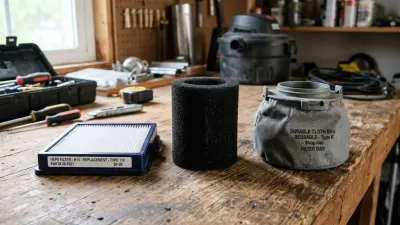
While bagless vacuums save money on consumable dust bags, they require far more frequent filter maintenance. Bagless models rely on pre-motor foam filters and post-motor HEPA filters that must be washed monthly and replaced every 6 to 12 months. Bagged vacuums keep dirt securely enclosed, making them more hygienic and extending internal filter life.
Sources
- Hoover Official Appliance Care & Maintenance Guidelines
- BISSELL Consumer Product Support & Belt Replacement Procedures
- Miele Vacuum Cleaner Operating Instructions & AirClean System Specifications
- U.S. Environmental Protection Agency (EPA) Indoor Air Quality Guidelines
Looking for the Right Tools?
Check out our verified Top Cleaning Tools & Supplies on Amazon.
As an Amazon Associate, we earn from qualifying purchases.