
The Sneaker Stains Battle: Why Regular Cleaning Just Isn't Cutting It
As a cleaning professional with over two decades in the trenches, I’ve seen it all – from oil slicks on garage floors to mystery goo on pristine carpets. But one area that often gets overlooked, yet holds significant value for many, is footwear care. We invest good money in our sneakers, not just for comfort and performance, but often as a statement. Yet, despite their importance, many people treat their beloved trainers to nothing more than a quick wipe or, worse, a damaging spin in the Washing Machine.
The problem is, sneakers face a relentless barrage of dirt, grime, dust, mud, grass stains, food spills, and general wear and tear. These aren't just surface blemishes; they embed themselves into the fabric, leather, or synthetic materials, dulling colors and accelerating material breakdown. Common household cleaners like dish soap often fall short. They might remove some surface dirt, but they can also strip natural oils from leather, leave residues on canvas, or even discolor delicate synthetics. The Washing Machine? It's a gamble that often results in warped shapes, damaged adhesives, and premature aging.
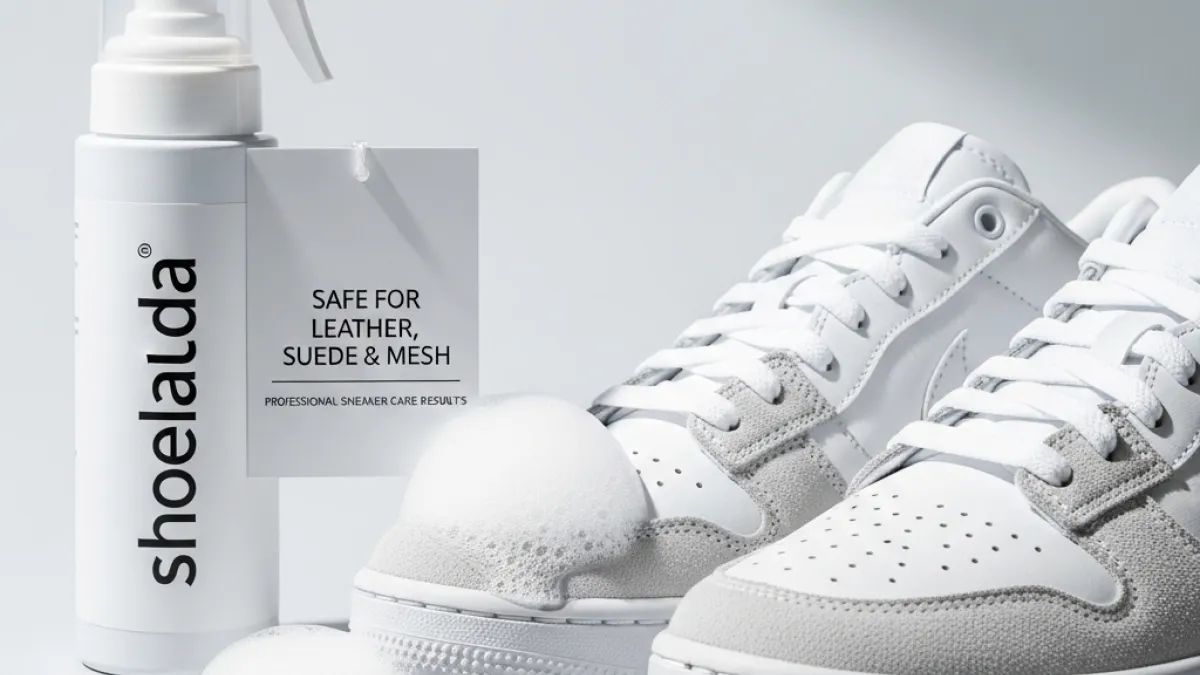
This is where specialized shoe cleaners come into play. They're formulated to tackle specific types of dirt on a range of materials without causing damage. Today, we're diving deep into Shoelada Shoe Cleaner. But we're not just going to talk about what it is; we're going to explore how to integrate it into a professional-level cleaning routine to genuinely restore your sneakers, step-by-step, material by material. My goal is to equip you with the knowledge to use Shoelada not just as a product, but as a precise cleaning tool in your arsenal, yielding results you can actually see and feel.
Unpacking Shoelada: More Than Just a Cleaner, It's a Targeted System
When I evaluate any cleaning product, I look beyond the marketing hype to understand its core mechanics and components. Shoelada isn't just a generic soap; it's typically an aqueous solution with a blend of surfactants, emulsifiers, and sometimes conditioning agents, designed for specific footwear challenges. Understanding this is key to using it effectively.
The Core Chemistry: What Makes Shoelada Work?
At its heart, Shoelada aims to break down and lift dirt without being overly aggressive on shoe materials. The surfactants reduce the surface tension of water, allowing the cleaner to penetrate stubborn grime. Emulsifiers then encapsulate oil and grease particles, preventing them from re-depositing on the shoe. Many formulations also include conditioning agents, especially in their "Cleaner and Conditioner" variants, which are crucial for maintaining the suppleness of leather and preventing cracking after cleaning. This multi-pronged approach is what differentiates it from a simple detergent.
The Shoelada Toolkit: Why Every Piece Matters
While you can buy just the cleaner, I always recommend starting with a comprehensive kit. These kits usually include:
- The Cleaning Solution: The liquid base, sometimes concentrated, sometimes ready-to-use.
- Soft-Bristled Brush: This isn't just for delicate materials; it's your primary tool for general dirt on canvas, mesh, and even initial passes on leather. Its gentle action prevents scratching and helps spread the solution evenly.
- Stiff-Bristled Brush: This is your workhorse for rubber soles, midsoles, and tougher areas on durable materials. The stiffer bristles are designed to agitate deeply, dislodging embedded dirt and scuffs without damaging the underlying structure of the rubber.
- Microfiber Cloths: Essential for wiping away loosened dirt and solution, and for buffing. Microfiber's absorbent and lint-free properties are superior to old T-shirts, preventing streaks and leaving a clean finish.
- Specialized Foaming Cleaner: Some kits or standalone products offer a foam cleaner. This is particularly effective for sensitive materials like suede or nubuck, as the foam limits moisture saturation, reducing the risk of water damage or stiffness. It lifts dirt without excessive scrubbing.
- Cleaner and Conditioner Combo: For leather shoes, a product that cleans and conditions simultaneously is a time-saver and a material protector. The conditioning agents help restore moisture and flexibility, preventing the leather from drying out and cracking after being cleaned.
The Fz150 – A Heavy-Duty Ally, Not a Replacement
You might also come across the Fz150, often associated with Shoelada. From my perspective, the Fz150 isn't just another variant; it's designed as a heavy-duty complement. Think of it as your concentrated degreaser or industrial-strength spot cleaner for shoes. When you're dealing with deeply embedded mud, oil, or stubborn grease stains on work boots, outdoor trail shoes, or heavily soiled athletic footwear, the Fz150 brings more aggressive cleaning power. It's not for your everyday delicate suede, but for those "I thought these were beyond saving" moments, it can be a game-changer. It's a tool for specific, demanding scenarios, used judiciously.
The CleanersTool.com Method: Mastering Shoelada for Every Sneaker Type
Knowing what's in the bottle is one thing; knowing how to wield it is another. My 20 years of cleaning experience have taught me that technique trumps product every time. Here’s how I approach cleaning different sneaker materials with Shoelada for optimal results.
Step 1: The Essential Prep – Don't Skip This!
- Remove Laces and Inserts: Always take out laces and any removable insoles. Laces can be cleaned separately (a small bowl of Shoelada solution, scrub with a soft brush, rinse, air dry). Inserts can be wiped down or deodorized.
- Dry Brush/Wipe Loose Dirt: Before introducing any liquid, use a dry stiff brush (for soles) and a dry soft brush or microfiber cloth (for uppers) to remove as much loose dirt, dust, and mud as possible. This prevents creating a muddy mess and helps the cleaner work more efficiently on embedded grime.
Step 2: Material-Specific Cleaning Techniques with Shoelada
A. Canvas and Mesh Uppers (General Purpose & Athletic Sneakers)
These materials are robust but can absorb a lot of water, so controlled application is key.
- Dilution (if concentrated): If your Shoelada solution is concentrated, dilute it as per manufacturer instructions. For ready-to-use, proceed directly.
- Wet the Brush: Dip your soft-bristled brush into a bowl of clean water, then apply a small amount of Shoelada solution directly to the brush.
- Gentle Scrubbing: Start with small sections. Gently scrub the canvas or mesh in circular motions, working up a light foam. Don't drench the shoe. The goal is to lift the dirt, not soak the material.
- Wipe Clean: Immediately after scrubbing a section, use a clean, damp microfiber cloth to wipe away the loosened dirt and excess solution. Rinse and wring out your cloth frequently to avoid spreading grime.
- Repeat if Necessary: For stubborn stains, repeat the process on that specific area. Avoid excessive scrubbing in one spot, which can damage fibers.
B. Smooth Leather & Synthetic Leather (Fashion Sneakers, Casual Shoes)
Leather needs care to prevent drying and cracking. The "Shoelada Shoe Cleaner and CONDITIONER" is ideal here.
- Minimal Water: For smooth leather, I prefer less water. Apply a small amount of Shoelada (especially the Cleaner & Conditioner) directly to your soft-bristled brush or even a microfiber cloth.
- Wipe and Buff: Gently wipe down the leather surface in small sections. The cleaner will lift dirt, and the conditioner will start to work.
- Light Scrub (if needed): For tougher scuffs or ingrained dirt, use the soft brush with gentle, circular motions.
- Clean Wipe: Use a fresh, clean, and slightly damp microfiber cloth to wipe away any residue.
- Polish: Finish with a dry microfiber cloth to buff the leather to a subtle sheen, enhancing the conditioning effect.
C. Suede & Nubuck (Delicate & Tricky)
This is where many DIY attempts go wrong. Suede and nubuck require a specific touch. If you have the Shoelada Foam Cleaner, this is its moment to shine.
- Dry Prep is Paramount: Use a dry suede brush or a stiff-bristled brush very gently to remove any loose dirt or mud. This also helps lift the nap.
- Foam Application (Recommended): If using Shoelada Foam Cleaner, apply a small amount directly to the stained area. The foam minimizes moisture. If using liquid, apply a tiny amount to a very lightly damp soft brush, ensuring it barely wets the suede.
- Gentle & Directional Brushing: With a soft-bristled brush (or a dedicated suede brush), gently brush in one direction, lifting the dirt. Avoid aggressive scrubbing or circular motions, which can flatten or damage the nap.
- Dab, Don't Rub: Use a clean, dry microfiber cloth to dab away the foam and lifted dirt. Do NOT rub, as this can press the dirt back into the material.
- Air Dry & Re-Brush: Let the shoes air dry completely away from direct heat. Once dry, use a dry suede brush to gently restore the nap and remove any stiffness.
- Important Note: For oil-based stains on suede, Shoelada might reduce visibility, but deep oil stains often require specialized suede degreasers or professional cleaning. Manage expectations here.
D. Rubber Soles & Midsoles (The Workhorse Areas)
These are often the dirtiest and most neglected parts, but also the most durable.
- Generous Application: Apply Shoelada solution directly to the rubber sole and midsole. For very tough grime or scuffs, this is where the Fz150 might come in handy.
- Stiff-Bristled Scrubber: This is the tool for the job. Use the stiff-bristled brush and scrub vigorously in all directions, focusing on grooves, textures, and scuff marks.
- Target Tough Scuffs: For deep scuffs, you might need to apply a bit more pressure or even use an eraser-style cleaner alongside Shoelada. Sometimes, a magic eraser (melamine foam) can work wonders on white rubber midsoles, but always test in an inconspicuous area first, as it's abrasive.
- Rinse & Wipe: Rinse the brush frequently in clean water. After scrubbing, use a damp microfiber cloth to thoroughly wipe down the soles and midsoles, removing all dirt and cleaner residue. You'll be amazed at how white they can become!
Step 3: The Crucial Drying Process
Improper drying can undo all your hard work. Always air dry your sneakers.
- Away from Heat: Never use direct heat sources like hair dryers, radiators, or direct sunlight. This can warp materials, crack leather, and damage adhesives.
- Stuff with Paper: Loosely stuff the shoes with white paper towels or newspaper (avoid colored newsprint on light materials to prevent ink transfer). This helps absorb internal moisture and maintain the shoe's shape as it dries.
- Ventilated Area: Place them in a well-ventilated room, ideally with moderate temperature.
- Patience: Depending on the material and how much moisture was introduced, drying can take several hours to a full day. Ensure they are completely dry before wearing or storing.
Real Results, Real Talk: What to Expect and When to Call in the Big Guns
After putting Shoelada through its paces on countless pairs, here's my honest assessment of what you can realistically expect and when you might need to look beyond a standard cleaner.
Expected Outcomes – The "Restoration" Reality Check
When used correctly, Shoelada can bring sneakers back to a "near-new" or "significantly improved" condition. You'll see:
- Brighter Uppers: Canvas and mesh will appear cleaner, with colors looking less dull and faded.
- Clean Soles: White midsoles and rubber outsoles can be dramatically whitened, removing most scuffs and embedded dirt.
- Refreshed Leather: Leather will be clean, supple, and often show a renewed subtle sheen, especially with the conditioner.
- Lifted Suede Nap: Suede, when cleaned gently, will have its nap restored, feeling soft and looking less matted.
- Odor Reduction: By removing embedded dirt and grime, you'll also notice a significant reduction in foot odor.
The Pros from My Professional Angle
- Versatility: It truly does work across a wide range of common sneaker materials when applied with the correct technique.
- User-Friendly: The system (cleaner + brushes) is straightforward, making it accessible for beginners, yet powerful enough for enthusiasts.
- Effective for General Dirt & Grime: For the vast majority of everyday sneaker dirt, Shoelada is highly effective.
- Good Value: Considering the cost of professional shoe cleaning, investing in a Shoelada kit offers excellent value for maintaining multiple pairs over time.
Limitations – When Shoelada Hits Its Wall
No product is a miracle worker. Shoelada, like any cleaner, has its limits:
- Deep-Set Stains: Old, deeply absorbed oil, grease, permanent marker, dye transfer (e.g., from dark jeans onto white leather), or significant chemical stains might not come out entirely. These often require highly specialized solvents or professional restoration.
- Material Damage: If the material itself is physically damaged (e.g., rips, tears, deep abrasions, cracking from extreme dryness), cleaning won't "fix" that. It will only clean the existing surface.
- Yellowing: Age-related yellowing of rubber or plastic (oxidation) is a chemical change, not just a stain. Shoelada can clean the surface, but won't reverse the yellowing. Specialized "de-yellowing" products are needed for this.
- Severe Mold/Mildew: While it can clean surface mold, if mold has deeply penetrated porous materials, it might require stronger anti-fungal treatments or professional intervention to prevent regrowth and odor.
When to Call in the Big Guns (or Other Tools)
For those truly stubborn issues, you might need:
- Specialized Stain Removers: For ink, paint, or specific types of oil, you'll need targeted pre-treatments.
- Suede Erasers & Renews: For very light scuffs on suede, a dedicated suede eraser can be more effective. Suede dye kits can address severe fading.
- Steam Cleaners: For sanitization or loosening extremely caked-on mud in crevices (use with extreme caution and proper technique, as excessive heat can damage adhesives).
- Professional Services: For vintage sneakers, high-value collectors' items, or truly irreparable damage, a professional shoe restorer has the tools, chemicals, and expertise that a DIY kit can't replicate.
My Professional Verdict: Is Shoelada Your Go-To for Sneaker Care?
Having used and assessed countless cleaning products over the years, I can confidently say that Shoelada Shoe Cleaner, especially when utilized as part of a systematic approach, is a highly effective and valuable addition to any footwear care routine. It’s not just about applying a product; it’s about understanding the nuances of different materials and employing the right technique.
Who is Shoelada Best For?
- The Everyday Wearer: If you want to keep your daily sneakers looking fresh without much fuss, the basic Shoelada kit offers a simple, effective solution.
- The Sneaker Enthusiast: For those who collect or cherish their sneakers, Shoelada provides the versatility to maintain a diverse collection, provided you adapt your technique to each material.
- The Budget-Conscious: It offers a cost-effective alternative to frequent professional cleaning services, delivering impressive results for the investment.
- The Professional Cleaner (for light tasks): While I have industrial-grade equipment, for quick touch-ups or client requests for basic shoe cleaning, Shoelada is a handy, reliable product to have in my mobile kit.
Value for Money & Longevity
A typical Shoelada kit, when used correctly, will last for many cleaning sessions. Its concentrated nature (if applicable) and effective formulation mean a little goes a long way. The brushes are durable and designed for repetitive use. This translates into excellent long-term value, preventing the need for frequent repurchases and extending the life of your expensive footwear.
Safety Notes and Pro-Tips
- Always Test First: Before applying any cleaner to the entire shoe, especially on delicate or colored materials, always test a small, inconspicuous area (e.g., under the tongue or inside the collar) to ensure no discoloration or adverse reaction.
- Ventilation: While Shoelada products are generally mild, always work in a well-ventilated area to avoid inhaling any fumes, especially if you have sensitivities.
- Skin Protection: For extended cleaning sessions, consider wearing gloves to protect your hands from prolonged chemical exposure and repeated scrubbing.
- Maintain Your Tools: Rinse your brushes thoroughly after each use and allow them to air dry. This prevents dirt buildup and extends the life of your cleaning tools.
- Preventative Measures: Once clean, consider using a shoe protector spray (water and stain repellent) to create an invisible barrier, making future cleaning easier and protecting against new stains.
Final Recommendation
If you're looking for a reliable, versatile, and effective shoe cleaning system that genuinely helps restore and maintain your sneakers, Shoelada is a solid choice. It's a product that, in the hands of someone who understands cleaning techniques and material care, can deliver impressive results. Don't just buy the bottle; learn the method, and you'll keep your kicks looking sharp for years to come. Happy cleaning!