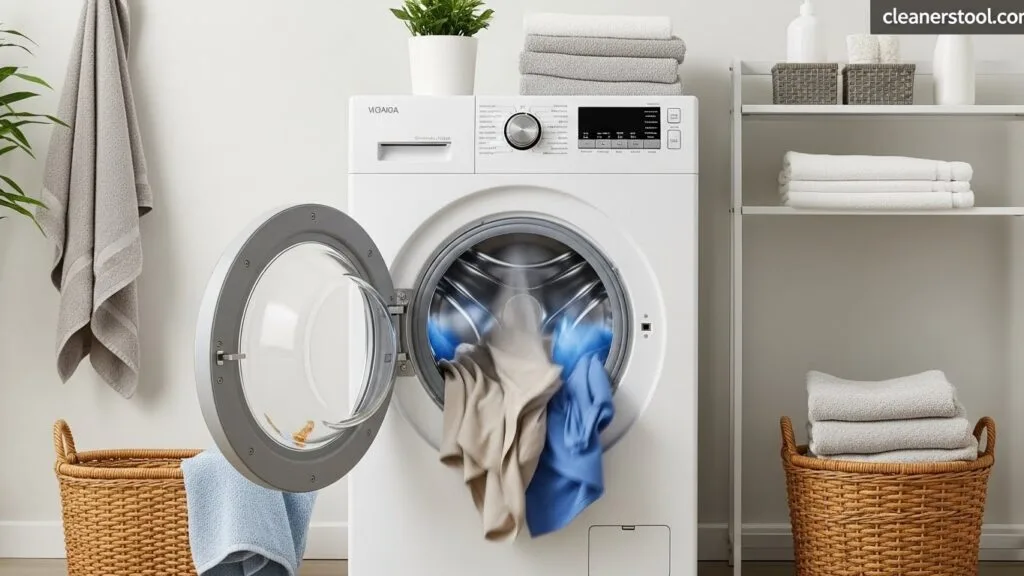
Quick answer: If your laundry room regularly sees heavily soiled work uniforms, muddy kids' clothes, and tough canvas fabrics, an agitator washer provides superior mechanical scrubbing power and shorter cycle times. However, if you primarily wash modern synthetic blends, delicate items, or large comforters, an impeller (no-agitator) washer offers gentle fabric care, larger usable drum capacity, and better water efficiency.
How Agitator and Impeller Mechanics Work
Understanding how these two machines clean requires looking at how they move clothes through the water. A traditional agitator machine features a large central post fitted with fins or vanes extending up through the middle of the wash tub. As the wash cycle runs, this spindle twists aggressively back and forth. This mechanical motion forces garments down toward the bottom of the drum and back up to the top, physically dragging fabrics against each other and against the post to scrub out stubborn grime.
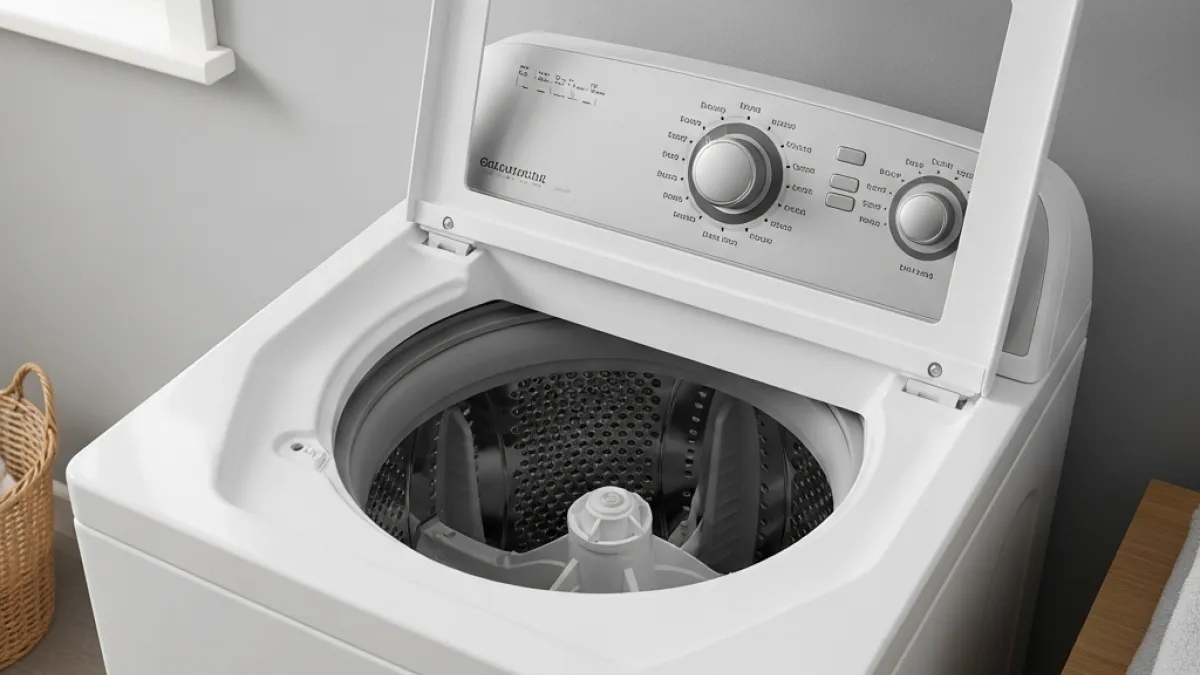
On the flip side, an impeller (no-agitator) washer replaces that central post with a low-profile, flat disc at the bottom of the tub. This disc features small fins or ridges that rotate at varying speeds to create deep water currents. Instead of relying on a hard column to push fabrics around, impeller machines draw garments toward the center, using high-speed hydraulic action and gentle friction between the clothes themselves to lift dirt. This fluid dynamic approach is why high-efficiency (HE) non-agitator units use significantly less water while keeping garments suspended.
Because the mechanical action differs drastically, each design requires a specific approach to detergent and water usage. Agitators rely on a high volume of water to keep clothes moving smoothly around the spindle without tangling or tearing. Impellers, on the other hand, depend on concentrated detergent formulas—often with an alkaline pH around 8.5 to 10 for standard laundry detergents—and controlled water pulses to break down organic oils without over-saturating the tub.
Performance, Efficiency, and Capacity Comparison
When evaluating washing performance, you have to balance raw stain removal against fabric longevity and long-term operating costs. Agitator washers excel at tackling physical dirt, grease, and ground-in mud because the direct scrubbing action acts much like an old-fashioned washboard. However, that constant friction can weaken delicate cotton fibers, cause pill formation, and shorten the lifespan of dress shirts or athletic wear over time.
Impeller models deliver a far gentler wash, which drastically cuts down on fabric wear and tear. Furthermore, omitting the center post opens up massive usable tub space. A 5.2 cu. ft. impeller machine allows you to easily load bulky king-size comforters or sleeping bags that would otherwise wrap around or stall a central agitator. However, if an impeller washer is overloaded, clothes on top may not submerge properly, leading to uneven cleaning across the cycle.
Energy and water consumption represent another major divide. Modern agitator units typically consume 30 to 35 gallons of water per load, running cycles that last roughly 40 to 50 minutes. Impeller top-loaders are engineered for high efficiency, consuming only 20 to 25 gallons per load. To make up for lower water volume, impeller cycles often run 55 to 70 minutes long, though their higher spin speeds (up to 1,200 RPM compared to the 800 RPM of standard agitators) extract more moisture, significantly reducing dryer energy usage.
| Feature | Agitator Washer | Impeller (No Agitator) Washer |
|---|---|---|
| Cleaning Action | Direct mechanical scrubbing via central spindle | Hydraulic currents and fabric-on-fabric friction |
| Stain Removal (Heavy Soil) | Superior for mud, grease, and ground-in dirt | Moderate to high; benefits from pre-soaking |
| Fabric Wear & Tear | Higher friction; prone to pulling fine threads | Very gentle; ideal for delicates and synthetics |
| Water Usage (Per Load) | 30 – 35 gallons (114 – 133 L) | 20 – 25 gallons (76 – 95 L) |
| Average Cycle Duration | 40 – 50 minutes | 55 – 70 minutes |
| Bulky Item Capacity | Restricted by central post space | Unobstructed drum; fits large bedding easily |
| Typical Price Range (2026) | $450 – $850 | $650 – $1,250 |
Real-World Operational Tips and Maintenance
Regardless of which machine type you select, maintaining proper wash habits is essential for maintaining performance and preventing machine breakdowns. One common mistake homeowners make with impeller units is improper loading. Instead of dropping clothes randomly into a heap over the bottom disc, you should place items loosely around the perimeter of the tub, leaving the center clear. This helps the hydraulic pump create the correct water vortex during the wash cycle.
Cleaner's tip: Over the years, I've seen countless service calls caused by detergent buildup in low-water impeller machines. When using an impeller, stick strictly to High-Efficiency (HE) detergent and never exceed 2 tablespoons per load. If dealing with heavily greased work clothes in a non-agitator tub, pre-treat stains with an oxygen-based booster like OxiClean (diluted to a neutral-to-slightly alkaline pH) and let it sit for 15 minutes before running the cycle. This compensates for the reduced mechanical scrubbing action without clogging your machine's drain lines.
Maintenance needs also differ between the two designs. Agitators feature rubber drive couplings and splines under the post that can wear out after 5 to 7 years of heavy use, resulting in a post that fails to twist even when the motor is running. Replacing these internal dogs or fins is an inexpensive, quick DIY fix. Impellers utilize complex, high-RPM drive motors and delicate electronics. If an impeller machine becomes unbalanced from improperly distributed towels, the high-speed spin cycle can strain drum bearings, leading to costly repairs down the road.
To keep either machine running smoothly and prevent sour mildew odors, perform a monthly maintenance wash. Run an empty drum hot water cycle using an EPA-registered washer cleaner or a cup of liquid chlorine bleach—never mix bleach with ammonia or acidic cleaners, as this creates hazardous chloramine gas. Always leave the washer lid cracked open between loads to allow air circulation and keep mold from taking root under the seal.
Which Washer Style Should You Choose?
Choosing the right machine comes down to evaluating your household's daily lifestyle, soil levels, and laundry volume. If you work in construction, farming, or auto mechanics, or if you have kids constantly bringing home mud-stained sports jerseys, a traditional agitator machine from brands like Maytag or Whirlpool remains the most reliable option for blasting out grit quickly and efficiently without pre-treating every item.
Conversely, if your closet is full of delicate fabrics, dress shirts, activewear, and athletic synthetic blends, an impeller machine from brands like LG or Samsung is the smarter long-term investment. The reduced fabric wear will extend the life of your wardrobe, while the open tub design allows you to clean household items like duvets and curtains without taking trips to the laundromat. For more general advice on maintaining laundry systems and equipment, check out our comprehensive guides in our How To section and read our detailed buying guides before making a final purchase decision.
For most modern households, an impeller top-loader delivers the best balance of energy savings, gentle fabric care, and versatile capacity. Start by assessing your weekly laundry mix: if heavy grime dominates your hamper, stick with the proven scrubbing power of an agitator; for balanced daily wear and lower energy bills, opt for an impeller model.
Frequently Asked Questions
Can you convert an agitator washer into an impeller washer?
Some modern top-load washing machines feature a removable agitator post, allowing you to swap between a full central post and a low-profile impeller disc depending on the load. However, standard fixed-agitator units cannot be converted, as their motors and water-level programming are strictly calibrated for a single motion style.
Do impeller washing machines clean as well as agitator washers?
Impeller washers clean normal daily soils, sweat, and light dirt just as effectively as agitator machines, relying on specialized drum movements and concentrated HE detergent. However, for thick, ground-in mud or heavy mechanical grease, agitator washers scrub out stains faster due to direct contact friction.
Why do clothes tangle so much in an agitator machine?
Tangling occurs when long sleeves, pants, or delicate items wrap tightly around the central moving post during high-speed directional changes. You can prevent this by placing delicate items in mesh laundry bags, buttoning up shirts, and avoiding overloading the wash tub.
Do impeller machines use less detergent than traditional washers?
Yes, because impeller washers use less water overall, you must use high-efficiency (HE) low-sudsing detergent in small quantities. Using too much standard detergent in an impeller unit creates excess suds that trap soil against fabrics and leave residue on internal tub sensors.
Sources
- ENERGY STAR Clothes Washers Criteria & Standard Efficiency Metrics
- CDC Guidance on Household Cleaning and Disinfection Protocols
- Wikipedia: Washing Machine Design and Mechanics Overview