Tired of Dingy Carpets But No Machine in Sight? Here’s Your Solution</h2<
Every professional cleaner knows the challenge: you’re faced with a stained, tired, or frankly, smelly carpet, but a bulky carpet cleaning machine isn't available, or perhaps the area is too small or delicate for it. Maybe you're on a budget, or you simply prefer a hands-on approach. Whatever the reason, the goal remains the same: a pristine, fresh-smelling carpet. But what would you do in this situation? Do you simply resign yourself to living with the grime? Absolutely not.
Based on my two decades in this industry, I can confidently tell you that an effective, deep clean and thorough deodorization of carpets is entirely possible without relying on expensive, heavy machinery. In fact, for certain scenarios, manual cleaning offers a level of precision and care that machines simply cannot match. This guide will walk you through the proven methods and essential tools to achieve professional-level results using just your hands and a few readily available items.
The Arsenal for Manual Carpet Deep Cleaning
Before we dive into the steps, let's assemble your toolkit. You don't need fancy gadgets, but having the right basic supplies makes all the difference. Think of these as your extensions, designed to maximize your effort and minimize your struggle. Honestly, investing in quality versions of these simple items will serve you well for years to come.
Essential Tools
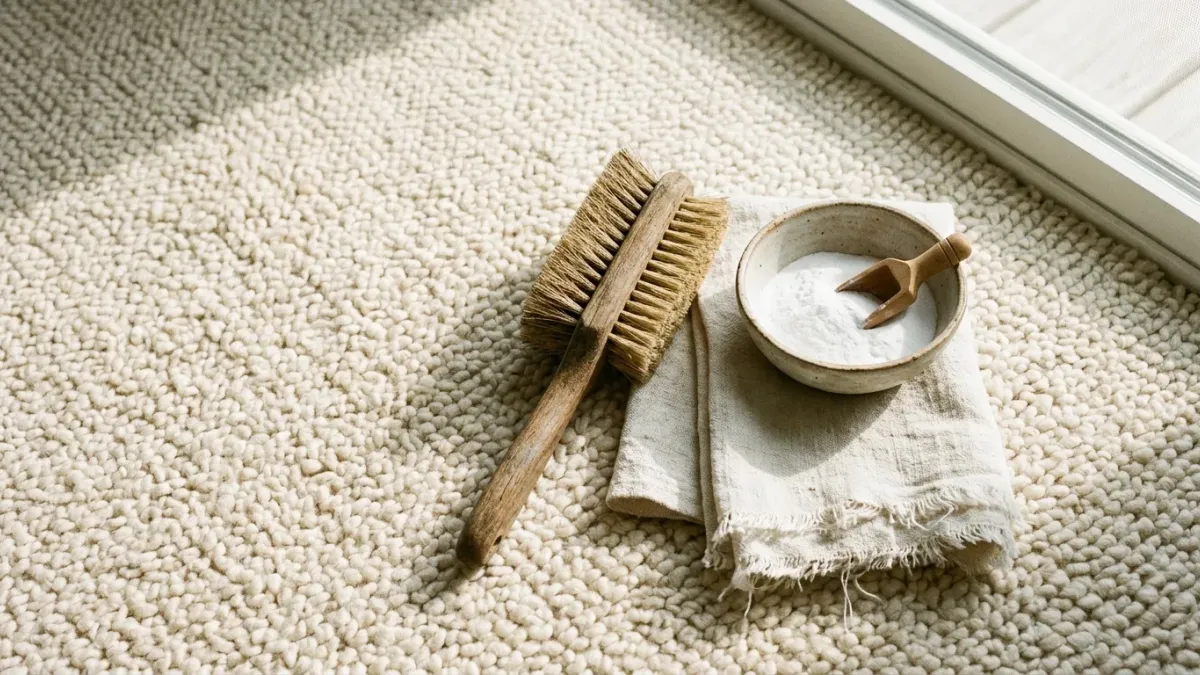
- Stiff-Bristled Brush or Carpet Brush: This is your primary weapon for agitation. Choose one with sturdy, non-abrasive bristles suitable for carpet fibers.
- Vacuum Cleaner (with attachments): Even for manual cleaning, a good vacuum is indispensable for initial dirt removal and post-cleaning cleanup.
- Clean Microfiber Cloths or Terry Towels: You'll need plenty for blotting, rinsing, and drying. Microfiber is highly absorbent and excellent for lifting dirt.
- Spray Bottle: For even application of cleaning solutions.
- Two Buckets: One for your cleaning solution, one for clean rinse water.
- Rubber Gloves: Protect your hands from chemicals and dirt.
Cleaning & Deodorizing Solutions
- White Vinegar: A natural deodorizer and mild disinfectant. Excellent for general cleaning and pet odors.
- Baking Soda: A powerful natural odor absorber. Crucial for deodorizing.
- Dish Soap (mild, clear): A tiny amount mixed with water can tackle grease and general grime. Avoid colored soaps that might stain.
- Enzymatic Cleaner: Essential for pet urine, vomit, or other organic stains and odors. These cleaners break down odor-causing molecules.
- Hydrogen Peroxide (3%): Use with caution on light-colored carpets for tough stains, but always spot test first. It has bleaching properties.
Let me add something here: always spot test any new solution in an inconspicuous area of the carpet before applying it broadly. This simple step can save you from irreversible damage to your carpet's color or texture.
Step-by-Step: The Manual Deep Cleaning Process
So far we've covered the necessary tools and products. Now let's get to the really critical point: the sequence of operations. This method is designed to be efficient and effective, mimicking the stages a machine would go through, but with your precise control.
1. Initial Vacuuming – The Foundation
This step is non-negotiable. Use your most powerful vacuum to remove all loose dirt, dust, and debris. Go over the entire carpet area multiple times, in different directions. For example, imagine this situation: a carpet has years of accumulated dry soil, pet hair, and crumbs embedded deep within its fibers. If you skip this initial vacuuming, you're essentially turning that dry debris into mud when you introduce liquid, making your job infinitely harder and less effective. Use your vacuum's crevice tool for edges and corners.
2. Spot Treatment – Target the Troubles
Address any visible stains before general cleaning. For fresh spills, blot immediately with a clean cloth, working from the outside in. For older, set-in stains, apply an appropriate spot cleaner (e.g., enzymatic cleaner for pet stains, hydrogen peroxide for tough organic stains, or a mild dish soap solution for general grime). Allow the solution to dwell for a few minutes, then gently agitate with a soft brush or cloth. Never rub vigorously, as this can spread the stain or damage carpet fibers.
3. Prepare and Apply Your Cleaning Solution
For a general deep clean, I often recommend a simple but potent solution: a mixture of warm water and white vinegar (1:1 ratio) with a tiny squirt of clear, mild dish soap (about 1 teaspoon per gallon). Mix this in one of your buckets. Transfer a portion to a spray bottle. Lightly mist a small section of the carpet, ensuring it’s damp but not saturated. Over-wetting is the enemy of manual carpet cleaning, as it prolongs drying time and can lead to mildew.
4. Agitate and Lift the Dirt
Immediately after misting, use your stiff-bristled brush to gently scrub the treated section. Work in small, overlapping strokes. The goal is to work the cleaning solution into the carpet fibers and lift the embedded dirt. You’ll be surprised how much grime comes to the surface. For especially soiled areas, you might need to apply a bit more pressure, but always be mindful of the carpet's integrity.
5. Extract and Rinse – The Crucial Step
This is where the clean microfiber cloths come in. Fill your second bucket with clean, warm water. Dampen a clean cloth in the rinse water, wring it out thoroughly, and then blot the scrubbed area. The cloth will absorb the dirty cleaning solution. Rinse the cloth frequently in the clean water, wring it out, and repeat until no more dirt transfers to the cloth. Change your rinse water often to avoid redepositing dirt onto the carpet. This thorough rinsing is critical for preventing sticky residue that attracts new dirt.
6. The Deodorizing Power of Baking Soda
Once you've cleaned and rinsed an area, sprinkle a generous amount of baking soda over the still-damp carpet. The baking soda will absorb residual moisture and neutralize odors as the carpet dries. Leave it on for several hours, or ideally, overnight. This is particularly effective for lingering pet odors or general staleness. Based on my experience, this step is often overlooked but provides an unparalleled freshness.
7. Final Vacuuming and Drying
After the baking soda has had ample time to work, vacuum it up thoroughly. Use a strong vacuum to ensure all powder is removed. Finally, proper drying is paramount. Open windows, use fans, or even a dehumidifier to ensure the carpet dries completely within 6-12 hours. Never leave a carpet damp for extended periods, as this can lead to mold and mildew growth, creating a new, worse odor.
Advanced Deodorization and Safety Considerations
While baking soda is fantastic, some odors require a bit more attention. For persistent pet odors, an enzymatic cleaner is your best friend. These products contain enzymes that break down organic matter, effectively eliminating odors at their source rather than just masking them. Apply these directly to the affected area, following the manufacturer's instructions, and allow them to air dry completely.
Safety should always be a top priority. Always wear gloves when handling cleaning solutions. Ensure good ventilation by opening windows and doors, especially when using stronger chemicals. Keep children and pets away from the treated areas until the carpet is completely dry. To be fair, manual cleaning involves closer contact with the carpet, so these precautions are even more critical.
For very large areas, consider breaking the task into smaller sections to avoid over-exertion and to manage drying times effectively. This methodical approach ensures consistent results across the entire carpeted space.
Expected Results and Final Recommendations
Following these manual deep cleaning and deodorizing steps, you can expect a significantly cleaner, fresher-smelling carpet. Stains will be visibly reduced or eliminated, and lingering odors will be neutralized. While it requires more effort than a machine, the satisfaction of a job well done with your own hands is immense, and the results can often rival professional machine cleaning for specific areas.
Regular vacuuming remains the cornerstone of carpet maintenance. For occasional deep cleans or targeted spot treatments, these manual methods are incredibly effective and cost-efficient. Don't let the absence of a machine deter you from enjoying a beautifully clean and fresh carpet. With the right tools, techniques, and a bit of elbow grease, you have all the power you need to transform your space.