Disclosure: As an Amazon Associate, we earn from qualifying purchases.
Modern high-performance running shoes from brands like Nike, Hoka, Brooks, Asics, and New Balance rely heavily on engineered mesh uppers. These synthetic weaves—typically constructed from woven polyester, nylon, and elastane blends—provide exceptional breathability and lightweight flexibility. However, mesh is notoriously porous and attracts dirt, mud, and sweat deep within its structural matrix. When runners attempt to clean their dirty mesh sneakers in high-temperature washing machines or hot dryers, they often end up with permanently shrunken shoes, broken structural glues, and warped footbeds.Quick answer: To clean mesh running shoes without shrinking them, hand-wash the uppers using lukewarm water under 86°F (30°C) mixed with a pH-neutral cleaner like Dawn dish soap, then air-dry them at room temperature with plastic shoe trees inserted. Never expose mesh footwear to hot water cycles or mechanical tumble dryers, as temperatures above 104°F (40°C) shrink synthetic polyester fibers and melt EVA midsole adhesives.
Understanding Why Mesh Shoes Shrink and Warp
The primary culprit behind shrunken running shoes is thermal exposure combined with aggressive mechanical agitation. Athletic mesh is manufactured from synthetic thermoplastics such as polyester, polyamide (nylon), and polyurethane filaments. During factory production, these fibers are heat-set into specific structural shapes. When you expose your shoes to water temperatures exceeding 104°F (40°C) or place them inside a hot dryer reaching 130°F to 150°F (54°C to 65°C), the synthetic polymers reach their thermal softening point. This heat causes the woven matrix to relax, contract, and pull inward, resulting in noticeable shrinkage across the toe box and instep.
Thermal damage extends beyond the mesh material itself. The structural foundation of modern running shoes depends on Ethylene-Vinyl Acetate (EVA) or Thermoplastic Polyurethane (TPU) foam midsoles held together by solvent-based polyurethane adhesives. High heat causes EVA foam to lose its expanded gas pockets, leading to cushion compression and structural distortion. Concurrently, factory glues soften at temperatures above 110°F (43°C), causing delamination where the mesh upper separates from the foam midsole. Mechanical tumbling in a washing machine drum accelerates this degradation by bending the softened components out of alignment.
Chemical selection also plays a critical role in preserving shoe dimensions and material integrity. Harsh alkaline detergents with a pH higher than 10, as well as chlorine bleach (pH ~11-13), weaken synthetic fiber bonds and strip protective water-repellent coatings. Bleach causes nylon to yellow permanently and brittles thin TPU overlays, making the shoe prone to cracking under strain. Using mild, pH-neutral cleaners (pH 6-8) protects both the delicate mesh weave and internal structural bonding layers during the wash process.
Essential Tools and Supplies for Safe Mesh Shoe Cleaning
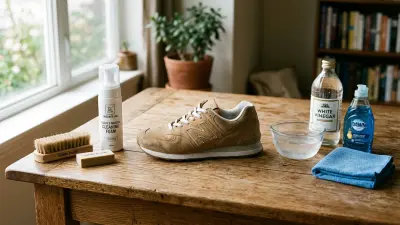
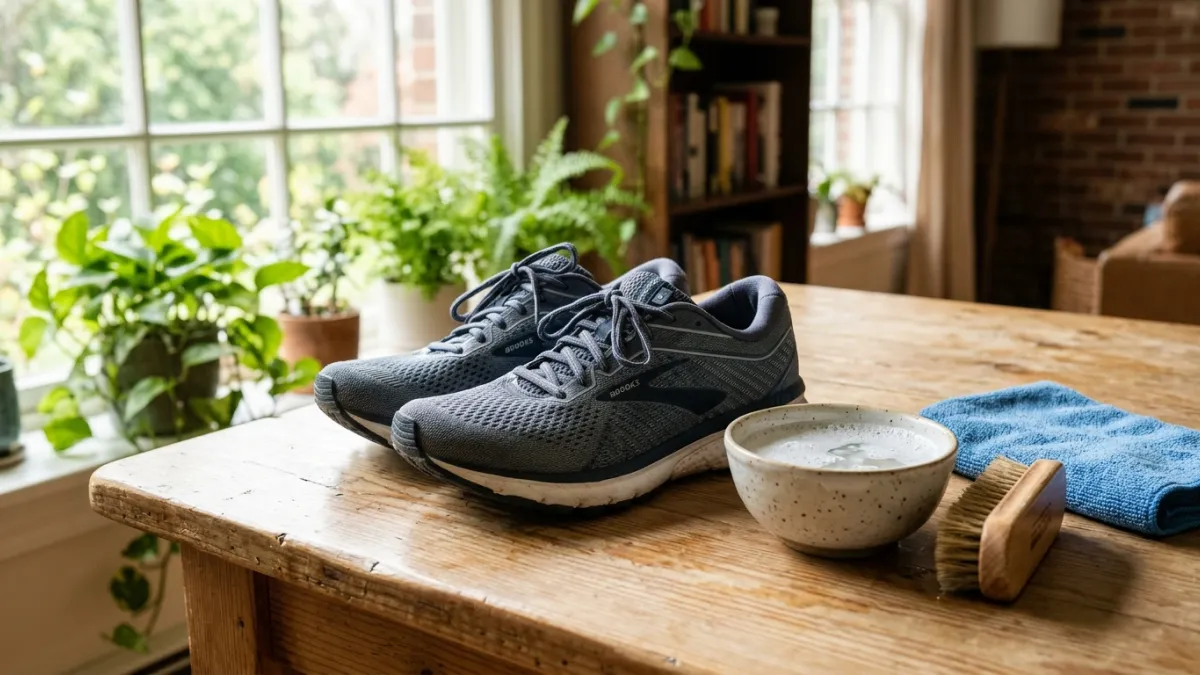
Achieving a thorough deep clean without causing material shrinkage or fiber damage requires selecting tools specifically suited for sensitive synthetic textiles. High-abrasion stiff wire brushes or aggressive scrubbing pads will tear delicate mesh threads and cause unsightly surface pilling. Instead, stock your cleaning kit with soft-bristle brushes, high-density microfiber cloths, and gentle cleaning agents designed to lift ground-in dirt safely.
For optimal results, prepare a dedicated cleaning workspace equipped with a shallow wash basin, clean warm water, and specialized footwear care tools. High-GSM (grams per square meter) microfiber towels are particularly useful because they absorb lifted grime instantly without excessive scrubbing force. Plastic adjustable shoe trees or dense white microfiber inserts are essential during the drying stage to maintain upper tension and prevent the toe box from collapsing inward as the fabric dries.
| Cleaning Method | Shrinkage Risk | Cleaning Depth | Drying Time | Overall Safety Rating |
|---|---|---|---|---|
| Hand Wash (Lukewarm Water & Soft Brush) | Zero (0%) | High (Deep Fiber Cleaning) | 12–24 Hours (Air Dry) | 5 / 5 (Recommended) |
| Machine Wash (Cold/Gentle Cycle in Bag) | Low (Under 5%) | Moderate (Surface Wash) | 12–24 Hours (Air Dry) | 3.5 / 5 (Use Caution) |
| Machine Wash (Hot Water & Tumble Dryer) | Severe (10%–20%) | High (Destructive) | 1 Hour (High Heat) | 1 / 5 (Avoid Entirely) |
| Steam Cleaner (Direct High Temp Steam) | High (Thermal Deformation) | Surface Disinfection | 2–4 Hours | 2 / 5 (Not Recommended) |
SNEAKER LAB Shoe Protector Spray - Perfect For Suede, Leather & Various Other Materials

Step-by-Step Guide to Hand-Washing Mesh Running Shoes
Hand-washing remains the absolute safest method for removing sweat, mud, and road grime from mesh running shoes while ensuring zero shrinkage. Follow this professional step-by-step procedure to clean your shoes safely and effectively.
Step 1: Dry Brushing and Preparation
Remove the shoelaces and insoles (orthotics) from both shoes. Set the insoles aside, as they should always be cleaned separately to preserve their arch support structure. Take a dry, soft nylon or horsehair brush and gently brush away loose dried dirt, mud flakes, and surface dust from the mesh uppers, tongue, and sole tread. Removing loose surface debris while the shoe is dry prevents mud from smearing deep into the porous mesh matrix once water is introduced.
Step 2: Mixing the pH-Neutral Solution
Fill a wash basin with lukewarm tap water. Ensure the water temperature does not exceed 86°F (30°C)—it should feel slightly warm or neutral to the touch. Add 1 teaspoon (approx. 5 mL) of a pH-neutral liquid dish soap (such as original Dawn, pH ~7) or a specialized footwear cleaner (such as Reshoevn8r or Jason Markk) per 2 liters of water. Stir the liquid gently until mild suds form. For heavy organic odors or set-in mud stains, add 1 tablespoon of oxygen-based stain remover (like OxiClean Versatile Powder, pH ~10.5 when diluted) to the solution.
Step 3: Cleaning the Upper Mesh and Midsole
Dip your soft-bristle brush into the solution, shaking off excess liquid so the brush is damp rather than soaking wet. Scrub the mesh upper in light, circular motions. Work in small sections, allowing the cleaning agent to dissolve trapped dirt inside the weave. Avoid applying heavy downward pressure, which can push grime into the inner bootie lining. Dip a separate medium-bristle brush into the solution to scrub the EVA or rubber midsole and outsole treads, removing embedded gravel and scuff marks.
Cleaner's tip: Never stuff wet mesh shoes with old newspapers while drying! The acidic printer's ink dissolves in moisture and bleeds directly into light-colored mesh linings, creating permanent grey stains. Always use clean white paper towels, white cotton rags, or solid plastic shoe trees to hold the upper shape while drying.
Step 4: Rinsing and Extracting Moisture
Honey Can Do Sweater Wash Bag LBG-01144 White

Do not submerge the entire shoe underwater in the basin, as fully saturating the inner foam strobel board prolongs drying times and increases mold risks. Instead, wet a 350 GSM microfiber cloth with clean, cool water and thoroughly wipe down the mesh upper to remove all soap residue. Repeat this wiping process with a freshly rinsed cloth until no suds remain on the fabric. Next, press a dry, thick microfiber towel firmly against the inside and outside of the mesh upper to blot and extract excess moisture.
Machine Washing Mesh Shoes Safely (When Hand Washing Isn't Enough)
While hand-washing is always preferred, machine washing can be safe if strict precautions are taken to prevent heat buildup and mechanical stress. Only use a front-loading or modern high-efficiency top-loading washing machine without a central agitator. Central agitator poles catch shoelaces and twist shoe uppers, stretching and damaging the synthetic material frame.
Before placing the shoes in the machine, place each shoe inside a padded mesh laundry bag. Add 3 to 4 clean, light-colored bath towels to the load. These towels act as physical buffers against the washer drum, balancing the load weight and preventing the shoes from slamming violently against the side walls during spin cycles. Set the washing machine to the "Delicates" or "Hand Wash" cycle, specifying strict Cold Water Only (tap cold, max 60°F–70°F / 15°C–21°C) and the lowest spin speed setting (max 400 RPM).
Once the wash cycle finishes, remove the shoes immediately. Never leave damp footwear in a closed machine drum where mildew can develop. Never, under any circumstances, place mesh shoes in a tumble dryer. Instead, place them in a cool, well-ventilated indoor location away from direct sunlight and heating vents. Position a standard oscillating room fan blowing directly across the open shoe collars to shorten drying times from 24 hours down to roughly 8–12 hours safely.
Recommended Cleaning Approach and Gear Choices
For routine maintenance of high-end running shoes ($140–$250 price range), stick exclusively to manual spot-cleaning using a pH-neutral cleaner (pH 7) paired with a 300–400 GSM plush microfiber towel and soft horsehair brush ($12–$20 kit). Reserve gentle machine washing only for severely mud-caked trail running shoes, ensuring cold water settings and protective mesh washing bags ($8–$15) are used every time. Inserting adjustable plastic shoe trees during the room-temperature drying phase guarantees your shoes maintain their original fit, volume, and performance geometry without a single millimeter of shrinkage.
Frequently Asked Questions
Can hot water permanently shrink mesh running shoes?
Cedar Shoe Tree - Shoe Trees for Men & Women, Sneakers, Widener & Shaper | GROWN IN USA

Yes. Water temperatures above 104°F (40°C) cause synthetic polyester and nylon mesh fibers to contract permanently while breaking down the thermal adhesives holding the foam midsole to the shoe upper.
Is it safe to put mesh sneakers in the dryer on "Air Fluff" mode?
It is generally not recommended. Even on no-heat or air-fluff settings, the continuous mechanical tumbling against the metal dryer drum can deform shoe toe boxes, damage heel counters, and cause glue separation.
How do I stop white mesh running shoes from turning yellow after washing?
Yellowing occurs when residual soap chemicals are left behind in the mesh matrix and oxidize under sunlight. Rinse all soap thoroughly with clean water, dry shoes away from direct sunlight, and avoid using chlorine bleach.
How often should I clean my mesh running shoes?
Light spot cleaning should be performed every 2 to 3 weeks or whenever visible dirt accumulates. Deep cleaning should only be done every 2 to 3 months to minimize wear on fabrics and structural adhesives.
Sources
- Nike Official Footwear Care & Cleaning Guide
- Wikipedia: Ethylene-Vinyl Acetate (EVA Foam Properties)
- CDC Cleaning and Disinfection Recommendations
Looking for the Right Tools?
Check out our verified Top Cleaning Tools & Supplies on Amazon.
As an Amazon Associate, we earn from qualifying purchases.