Disclosure: As an Amazon Associate, we earn from qualifying purchases.
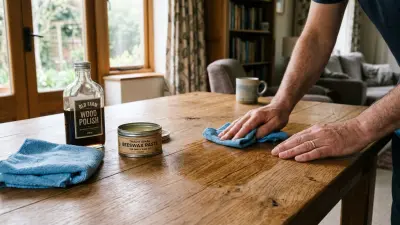
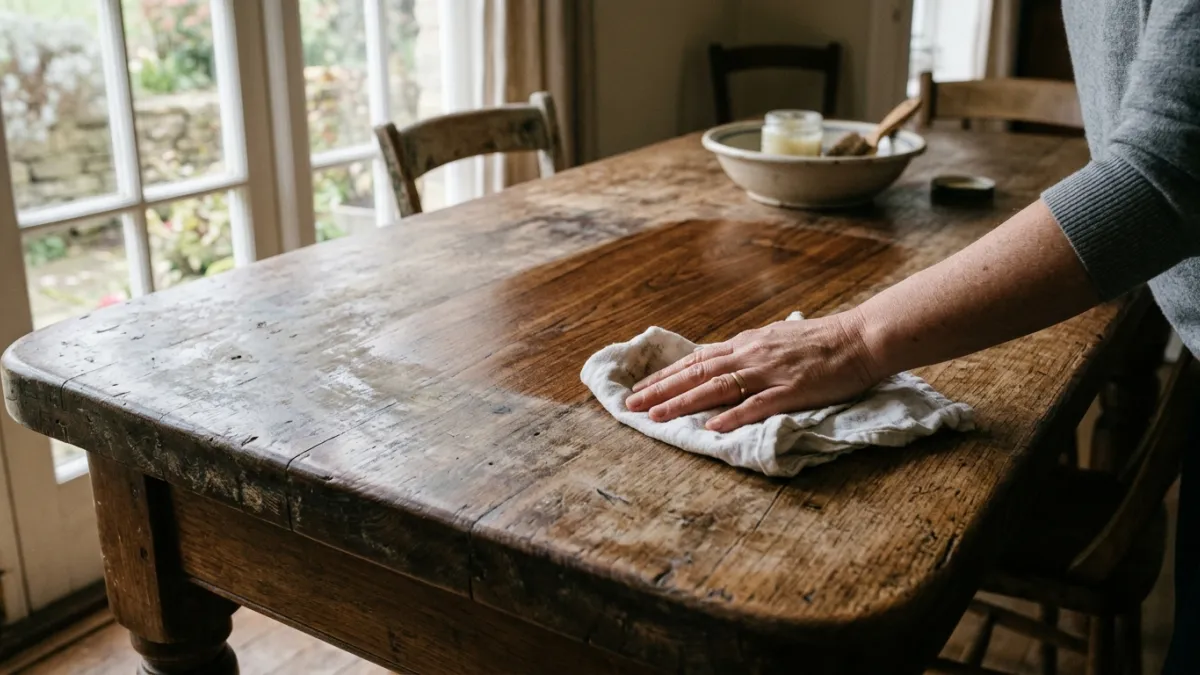
Over years of regular polishing, wood tables, chairs, and cabinets often develop a sticky, cloudy film that darkens the natural grain. This dingy layer is usually caused by accumulated coats of paste wax mixed with household dust and silicone-based furniture sprays. Applying fresh wax directly over this gummy foundation only locks in dirt and creates a blotchy surface finish. Stripping off the old, degraded wax back to the original wood finish creates a clean canvas, ensuring your new protective coat adheres smoothly and shines evenly.Quick answer: Removing old wax buildup requires dissolving the degraded wax film using odorless mineral spirits or naphtha applied with 0000 superfine steel wool or high-GSM microfiber cloths. Rub gently along the wood grain in small sections, wiping away liquefied residue immediately before it dries. Once the original finish feels completely tack-free, smooth, and clean, let the wood dry for 24 hours before applying a fresh layer of high-quality paste wax.
Understanding Wax Buildup on Fine Wood Furniture
Wood wax is designed to provide a breathable sacrificial barrier against moisture, fingerprints, and minor scuffs. However, paste waxes formulated with carnauba or beeswax naturally degrade over time, yellowing when exposed to ambient light and oxygen. When homeowner apply fresh polish every few weeks without solvent-cleaning the previous layer, the total wax thickness increases. This trapped accumulation soft-bakes under room temperatures, resulting in a hazy, dull sheen that feels noticeably tacky to the touch.
The problem is often exacerbated by modern aerosol polishes containing silicone oils. Silicone does not evaporate or dry; instead, it mixes with existing paste wax to form a gummy sludge that attracts atmospheric dust, pet dander, and kitchen grease. Standard home cleaning sprays with an alkaline pH (above 8.5) or water-based detergents fail to break down these hydrophobic wax structures. Scrubbing hard with water-based cleaners only causes wood swelling or leaves white water spots under the softened finish.
To safely dissolve historical wax without ruining underlying varnish, shellac, lacquer, or polyurethane finishes, you must use mild hydrocarbon solvents. Solvents like mineral spirits act directly on the paraffin and microcrystalline structures of the wax. They liquefy the buildup, allowing you to lift the suspended grime completely off the wood surface without damaging the delicate stain or topcoat underneath.
Essential Tools and Safety Equipment
Working with solvent-based wax removers requires the right gear to ensure personal safety and protect the wood finish from accidental scratches. Always clean in a well-ventilated space, preferably outdoors or near open windows with exhaust fans running, to prevent solvent vapor concentration.
- Odorless Mineral Spirits or Naphtha: Mild, fast-evaporating aliphatic hydrocarbon solvents that melt wax without dissolving hard cured wood finishes like lacquer or polyurethane.
- 0000 Superfine Steel Wool: Grade #0000 steel wool is soft enough that it will not scratch lacquer or varnish when used light-handedly, yet structured enough to scrub away soft wax.
- High-GSM Microfiber Cloths: Heavyweight plush microfiber towels (400 to 500 GSM) grab and hold dissolved wax liquified by the solvent, preventing smearing.
- Nitrile Gloves & Safety Glasses: Solvent-resistant gloves shield skin from drying out, while eye protection guards against accidental drips.
- Chemical-Resistant Plastic Scraper: Useful for gently lifting thick, heavy wax build-up from flat surfaces without gouging raw wood grain.
Cleaner's tip: Never use aggressive #0 or #1 steel wool, dry scrub sponges, or metal putty knives on fine furniture. In my 20 years restoring antiques, I have seen hundreds of beautiful varnish coats ruined because someone got impatient and used medium steel wool. Stick strictly to 0000 superfine steel wool, saturate it thoroughly with solvent, and let the chemical solvent do 90% of the scrubbing work for you.
Sunnyside 70532 Pure Odorless Paint Thinner, Quart

Step-by-Step Guide: Stripping Heavy Wax Buildup
Removing wax is a straightforward process when approached systematically. Work on small 12-inch by 12-inch sections at a time so the solvent does not evaporate before you can wipe away the loosened wax slurry.
Step 1: Surface Inspection and Dusting
Begin by vacuuming the furniture using a soft brush attachment to remove all loose grit, sand, and surface dust. If dust is left on the wood, it will act like sandpaper when you begin rubbing with steel wool. Once vacuumed, wipe the entire piece down with a dry microfiber cloth.
Step 2: Solvent Test on a Hidden Spot
Before applying mineral spirits to the top surface, test it on an inconspicuous area, such as the back of a table leg or inside a bottom drawer edge. Dampen a white cotton swab with mineral spirits and rub gently for 10 seconds. Check the swab: if color matching the underlying wood stain comes off, stop immediately. If only clear or yellowish grime transfers, the solvent is completely safe for your finish.
Step 3: Softening and Scrubbing the Wax
Pour a small amount of odorless mineral spirits into a glass tray. Dip a pad of 0000 superfine steel wool into the solvent until thoroughly wet, but not dripping wet. Gently rub the wood surface following the natural direction of the wood grain. Do not rub in circular motions, as this can create noticeable swirl marks in older shellac finishes. You will feel the drag of the steel wool decrease as the wax melts into a liquid slurry.
Step 4: Wiping and Lifting the Residue
Immediately grab a clean 450 GSM microfiber towel and wipe away the dissolved wax mixture in a single, firm stroke along the grain. Fold the cloth to a fresh, clean section with every pass. If you reuse a dirty section of cloth, you will simply redeposit melted wax back into the wood pores. Repeat the solvent application and wiping until the surface no longer feels slick or sticky.
Liberon Steel Wool 4 x 7g Pads, Grade 0000

Method Comparison: Mineral Spirits vs. Alternative Strippers
Choosing the correct solvent depends on the age of your piece, the severity of buildup, and environmental constraints. Below is a detailed breakdown of common wax removal agents used by professional furniture restorers.
| Removal Method | Safety Level for Finish | Evaporation Rate | Dwell Time Required | Estimated Cost (2026) |
|---|---|---|---|---|
| Odorless Mineral Spirits | High (Safe for all cured finishes) | Moderate (3-5 min) | 1 to 2 minutes | $12 - $18 / quart |
| Naphtha Solvent | High (Fast-drying, mild) | Very Fast (1-2 min) | 30 to 60 seconds | $14 - $20 / quart |
| Turpentine (Gum Spirits) | Moderate (Can soften fresh paint) | Slow (5-8 min) | 2 to 3 minutes | $16 - $24 / quart |
| Denatured Alcohol | Low (Dissolves shellac finishes) | Very Fast (1 min) | Immediate action | $10 - $15 / quart |
Mineral spirits remain the safest all-around choice for standard home use because of their slow evaporation rate and neutral pH (approx. 7.0), which prevents topcoat clouding. Denatured alcohol should strictly be avoided unless you specifically intend to strip antique shellac down to raw wood, as it completely dissolves spirit-based clear coats on contact.
Preparing for a Fresh Coat of Wax
Once all traces of dirty, gummy wax have been wiped clear, allow the piece of wood furniture to dry completely for at least 12 to 24 hours. This allows any residual solvent trapped deep inside fine wood joints or cracks to fully evaporate. The wood surface should look clean, matte, and uniform, feeling completely smooth to the dry hand without any residual tackiness.
Inspect the wood under direct, angled lighting to spot any missed patches of wax. Missed areas will look like slightly glossy, cloudy patches against the uniform matte background. Spot-treat those specific areas with a fresh douse of mineral spirits on a microfiber towel.
When you are ready to re-wax, select a premium furniture paste wax containing high percentages of natural carnauba wax, such as Minwax Paste Finishing Wax or Renaissance Micro-Crystalline Wax. Apply thin, translucent coats using a soft cheesecloth or damp microfiber pad. Remember: multiple thin layers buffed thoroughly with a clean cloth always outperform one thick coat, which will simply turn gummy over time.
To safely handle thick wax buildup without damaging valuable furniture finishes, choose odorless mineral spirits paired with #0000 superfine steel wool. This combination chemically breaks down old wax while protecting varnish layers, providing a clean surface ready for a fresh protective coating.
HOWARD Feed n Wax Wood & Conditioner Beeswax Polish, Orange, 16 Fl Oz, Pack of 2

Frequently Asked Questions
Will mineral spirits strip off the original stain or varnish on my table?
No, mineral spirits will not dissolve cured polyurethane, varnish, oil finishes, or factory wood stains. They only act upon organic waxes, grease, and silicone polishes. However, always run a small spot test on an hidden area first to verify your specific piece does not have an unusual wax-based stain finish.
Can I use dish soap and warm water to strip old furniture wax instead?
Using water-based soaps is generally bad practice on fine wood furniture. Dish soap cannot effectively dissolve heavy carnauba or microcrystalline wax. Excess water can penetrate hairline cracks in the finish, causing the wood underneath to swell, warp, or form white moisture rings under the clear coat.
How often should I strip old wax off my wood furniture?
You only need to strip wax build-up when the surface becomes dark, cloudy, or noticeably sticky to the touch—typically once every 3 to 5 years for frequently handled pieces like dining tables. Routine weekly maintenance should simply involve wiping dust off with a dry high-GSM microfiber cloth, avoiding excessive re-application of paste wax.
Sources
- Woodworking Guild Care Guidelines
- US EPA Safe Solvents and Household Volatile Organic Compounds Guide
- Wikipedia - Carnauba Wax Properties and Solvents
Looking for the Right Tools?
Check out our verified Top Cleaning Tools & Supplies on Amazon.
As an Amazon Associate, we earn from qualifying purchases.