
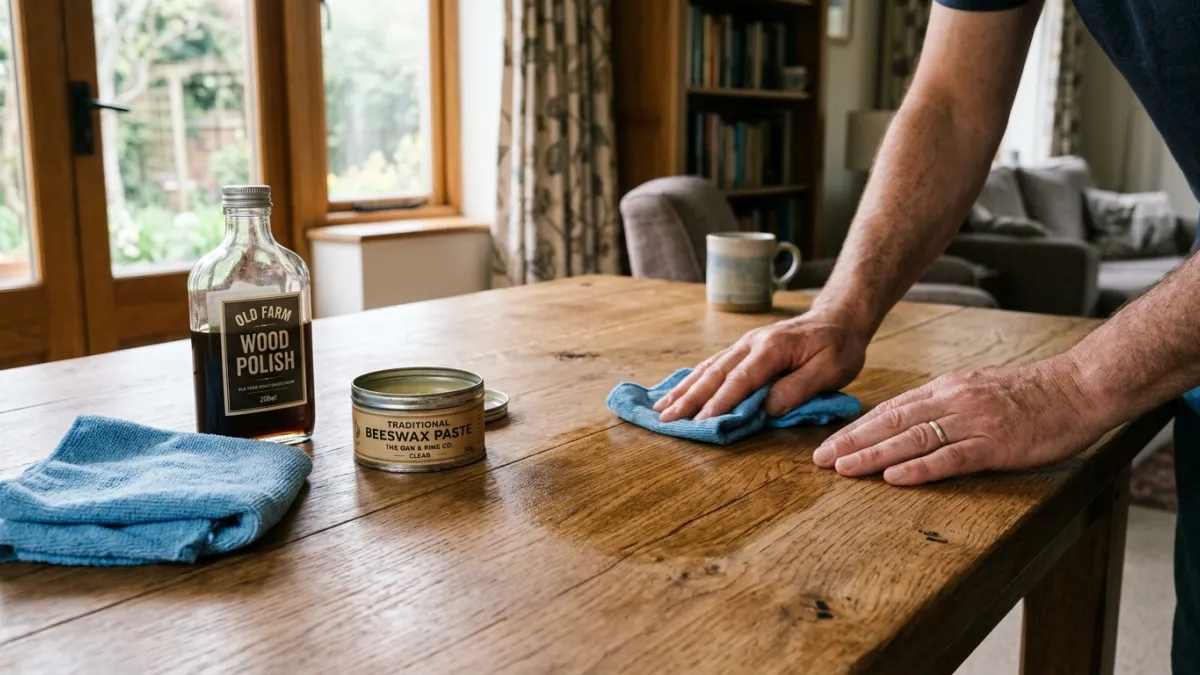
Quick answer: Wood wax delivers actual physical protection by creating a durable, water-resistant sacrificial barrier on top of the finish, whereas furniture polish primarily cleans away light dust and imparts a temporary gloss. For long-term defense against moisture and light scratches, paste wax wins every time, while aerosol or liquid polishes are best suited for quick surface cleaning and immediate shine.
Understanding the Basics: What Wood Polish and Wax Actually Do
To care for timber effectively, you need to look at what happens at a microscopic level when a liquid polish or paste wax contacts the finish. Wood furniture usually has a top sealing coat such as polyurethane, lacquer, varnish, or shellac. Over time, friction, sunlight, airborne grease, and dust dull this outer coat. The product you apply dictates whether you are simply wetting the surface to make it temporarily shiny or adding a tangible protective layer to resist daily wear. Liquid polishes are composed mainly of light mineral oils, water-emulsified silicone, and synthetic fragrances. When sprayed onto a surface, the oil fills micro-scratches and dry spots, instantly changing the way light reflects off the wood. This optical trick creates a deep, rich glow, but the effect is mostly transient. Most aerosol polishes remain wet on the surface, acting like a magnet for floating dust and atmospheric grime within a matter of hours. Paste wax, on the other hand, consists of hard natural waxes like carnauba (derived from the Brazilian palm tree) mixed with softer beeswax and a solvent such as turpentine or mineral spirits. When you wipe a high-grade paste wax across a table, the solvent evaporates, leaving behind a hard, dry shell. This physical coating seals microscopic pores, repels water droplets, and absorbs minor abrasions that would otherwise scratch the actual varnish or polyurethane underneath.Direct Comparison: Polish vs. Wax
Choosing between these two finishes comes down to evaluating durability, effort, dust resistance, and how often you want to perform maintenance. The table below outlines the core specifications and performance metrics of liquid furniture polish compared to traditional paste wax based on practical field use.| Feature / Metric | Liquid / Aerosol Furniture Polish | Traditional Paste Wax |
|---|---|---|
| Primary Purpose | Dusting, quick cleaning, temporary shine | Long-term protection, water resistance, sealing |
| Active Ingredients | Mineral oil, water, silicone, solvents | Carnauba wax, beeswax, mineral spirits |
| Durability Period | 3 to 7 days | 6 to 12 months |
| Dust Attraction Level | High (due to sticky oil residue) | Zero (cures into a hard, non-tacky shell) |
| Water Resistance | Minimal (beads briefly, then washes off) | Excellent (creates a durable hydrophobic shield) |
| Application Effort | Very Low (spray and wipe in minutes) | Moderate to High (apply, dry, and buff by hand) |
| Average Cost (2026) | $6 - $12 per spray can | $14 - $28 per metal tin |
The Pros, Cons, and Hidden Hazards of Furniture Polish
Furniture polish remains immensely popular because it offers instant gratification. Spraying an aerosol polish like Pledge onto a dusty side table instantly removes the film and leaves behind a clean citrus scent with a bright reflection. For quick routine cleaning before guests arrive, polished surfaces look stunning. However, repeated use of cheap liquid polishes introduces significant drawbacks. The biggest culprit is silicone oil, which is routinely added to mass-market furniture polishes to produce high-gloss shine without buffing. Silicone penetrates thin crazing lines or micro-fissures in aged varnish and bonds permanently to the wood grain beneath. Once silicone contaminates bare wood, refinishing that piece becomes a nightmare because fresh varnish, paint, or polyurethane will refuse to adhere, resulting in an unsightly texture known as "fish-eying." Furthermore, non-drying mineral oils leave an oily film behind. If you touch a freshly polished dining table, your fingers leave clear smudges. That oily film also traps airborne particles, meaning your furniture actually accumulates dust faster than if you had simply wiped it down with a barely damp microfiber towel.Cleaner's tip: Avoid using aerosol furniture polishes on dining chairs, desk arms, or cabinet knobs. The oily buildup transfers to skin and clothes, and over six months, that oil mixes with body oils to create a dark, sticky varnish-softening sludge that requires heavy degreasing to remove.
The Power of Hard Paste Wax for True Wood Defense
If long-term protection against water rings, spilled beverages, and everyday abrasion is your goal, hard paste wax is the superior choice. Wax does not sink deeply into the wood fibers if the piece is properly finished; instead, it cures as a sacrificial barrier on top of the existing clear coat. When a glass leaves a drop of condensation, the moisture rests on top of the wax layer rather than penetrating into the clear varnish to leave a white ring. Applying paste wax requires an investment of time and arm strength. You must apply a paper-thin coat using a soft lint-free cotton cloth or high-density foam applicator, allow the mineral spirits to haze over for roughly 5 to 10 minutes, and then vigorously buff the surface with a clean, heavy microfiber cloth (ideally 350 to 400 GSM). Once buffed, the finish feels smooth, glassy, and completely dry. Because it leaves zero sticky residue, dust slips right off when swept with a dry feather duster or microfiber cloth. The protection from a single application of paste wax lasts anywhere from six months to a year depending on surface usage. Dining tables subjected to daily meals might need a fresh coat twice a year, while accent tables, mirror frames, and bookcase shelves can easily go twelve to eighteen months before needing re-waxing.Step-by-Step Guide: How to Properly Clean and Wax Your Wooden Furniture
Applying wax over dust, skin oils, or old silicone polishes locks in grime and creates a muddy, cloudy appearance. To achieve a crystal-clear, deep gloss that genuinely defends your wood, follow this professional deep-cleaning and waxing protocol.- Strip Away Built-up Residue: Mix a few drops of pH-neutral dish soap into a bowl of warm water. Dampen a high-quality 300 GSM microfiber cloth, wring it out completely so it is barely moist, and gently wipe down the entire piece to remove grease, body oils, and old polish. For stubborn oily buildup, dampening a cloth with odorless mineral spirits works exceptionally well without damaging polyurethane or varnish finishes.
- Dry the Wood Thoroughly: Immediately dry the wood surface with a fresh, dry microfiber towel to ensure no moisture lingers in the joints or grain micro-cracks. Allow it to air-dry completely for 15 minutes.
- Apply a Very Thin Layer of Paste Wax: Scoop a small quarter-sized dab of high-grade paste wax (brands like Minwax, Howard, or Renaissance Wax) into a soft cotton cloth or dense applicator pad. Work the wax into the wood surface using overlapping circular motions, covering one manageable section at a time. The absolute key here is to apply an extremely thin coat; thick wax takes forever to dry and leaves streak marks.
- Allow the Solvent to Haze: Let the applied wax dry for approximately 5 to 10 minutes. You will know it is ready to buff when the glossy wet look shifts to a dull, foggy film that does not smudge wet under a light finger touch.
- Buff to a High Sheen: Fold a clean, plush 350+ GSM microfiber towel into quarters. Buff the hazed wax using firm, continuous circular strokes or long strokes moving with the wood grain. Flip the cloth frequently to a clean side as it picks up excess wax, revealing a deep, mirror-like protective shine underneath.
Frequently Asked Questions
Can I apply paste wax directly over a surface previously sprayed with polish?
No, you should never apply paste wax directly over liquid furniture polish. The mineral oils and silicone residues from polishes will prevent the paste wax from drying, hardening, and bonding properly, leading to a smeary, cloudy mess. Always clean the wood with mineral spirits or a damp cloth with mild pH-neutral soap prior to waxing.
Is furniture wax safe for modern engineered wood and laminate finishes?
Paste wax is designed primarily for real wood coated with varnish, lacquer, shellac, oil, or polyurethane. On plastic laminate or cheap wood veneer with a paper topping, wax cannot bond correctly and often creates a hazy surface film that is difficult to buff out evenly. For laminates, a simple wipe with a damp microfiber cloth is sufficient.
How often should I wax my hardwood dining table?
For a dining table that sees daily use with dinner plates, glasses, and warm serving dishes, applying paste wax once every six months offers ideal protection. If you notice water drops no longer bead up on the surface or the finish starts looking flat, it is time to perform a light cleaning and apply a fresh coat of wax.
Will paste wax fix deep scratches in my wood furniture?
Paste wax can fill and hide tiny micro-scratches and light surface hazing in the clear coat, making them far less noticeable. However, it cannot repair deep gouges that penetrate through the clear coat into bare wood. Deep scratches require color-matched wood fill sticks, grain touch-up markers, or spot refinishing before applying a final protective layer of wax.
Recommendation for Long-Lasting Care
If you want absolute protection against moisture, scuffs, dust accumulation, and environmental wear, invest in a quality tin of carnauba-based paste wax like Renaissance Wax or Minwax Paste Finishing Wax. Reserve liquid polishes solely for quick dust cleanups on vertical surfaces like cabinet doors, but rely on paste wax once or twice a year for high-traffic tabletop protection to keep your wood glowing for decades.Sources
- Wikipedia: Wood Finishing Techniques and Protective Coatings
- Wikipedia: Carnauba Wax Properties and Applications
- Forest Products Laboratory - USDA Forest Service Wood Handbook