The Scourge of Soap Scum: Understanding the Enemy in Your Bathroom
Walk into almost any bathroom, especially one that sees frequent use, and chances are you'll eventually encounter it: that chalky, unsightly film on your shower walls, glass doors, and fixtures. Yes, I'm talking about soap scum. After more than two decades elbow-deep in cleaning solutions, I can confidently say soap scum is one of the most persistent and frustrating adversaries we face in maintaining a sparkling bathroom. But what exactly is this stubborn residue, and why is it so difficult to banish?
Soap scum isn't just dried soap; it's a complex cocktail. It primarily forms when the fatty acids in bar soap react with the mineral ions (like calcium and magnesium) present in hard water. This chemical reaction creates an insoluble substance called calcium stearate, which clings tenaciously to surfaces. Add in body oils, dead skin cells, shampoo residue, and general bathroom grime, and you've got a multi-layered, sticky mess that seems to laugh in the face of a simple wipe-down. Standard cleaning methods often just smear it around, leaving behind a dull film rather than a truly clean surface.
The challenge intensifies on vertical surfaces like shower doors and tiles, where gravity pulls the mixture downwards, allowing it to dry and harden in place. Over time, these layers build up, becoming thicker, harder, and even more resistant to removal. This is where a targeted, chemically-engineered solution becomes not just helpful, but often essential. We need something that doesn't just clean on the surface but actively breaks down the chemical bonds of soap scum and hard water deposits.
CLR Brilliant Bath Foaming Cleaner: A Deep Dive into Its Chemistry and Claims
In the quest for bathroom brilliance, many products claim to be the ultimate weapon against soap scum. CLR Brilliant Bath Foaming Cleaner is one such contender, specifically formulated to tackle these common bathroom challenges. So, what's under the hood of this popular cleaner, and how does its chemistry promise to deliver on its claims?
At its core, CLR Brilliant Bath Foaming Cleaner utilizes a blend of surfactants and chelating agents, often combined with mild acids. Surfactants are crucial because they reduce the surface tension of water, allowing the cleaner to penetrate grease, grime, and body oils more effectively. They essentially lift the dirt off the surface. The chelating agents are the real heroes against hard water and soap scum; they bind to the mineral ions (calcium, magnesium, iron) that make up hard water deposits and soap scum, dissolving them and preventing them from redepositing. While CLR's original formula is known for its stronger acid base (often phosphoric acid or lactic acid for lime/calcium/rust), Brilliant Bath is typically formulated with milder acids or acid blends to be safer for frequent bathroom use.
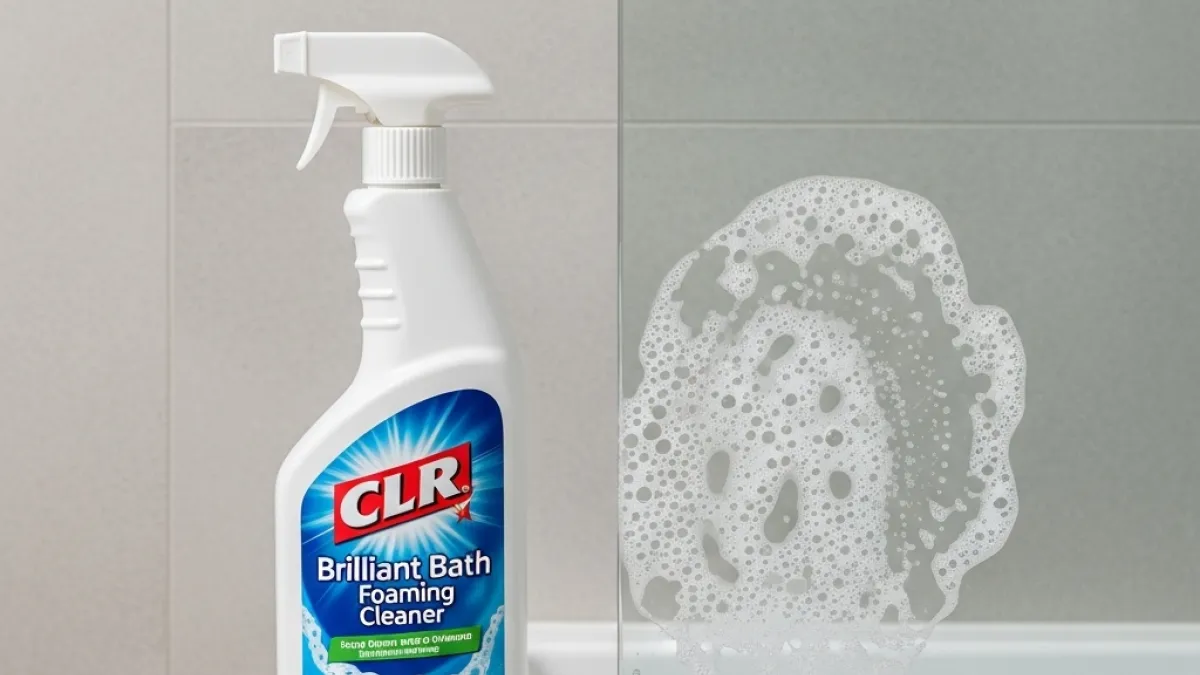
The "foaming" aspect isn't just for show; it's a key functional design. When you spray CLR Brilliant Bath, the foam clings to vertical surfaces, maximizing contact time with the grime. This extended dwell time allows the active ingredients more opportunity to penetrate and break down the stubborn layers of soap scum and mineral deposits. Unlike a thin liquid spray that might run off quickly, the foam stays put, doing its job more efficiently, which means less scrubbing for you. This clinging action is particularly beneficial in showers, where soap scum often accumulates on tile grout lines and shower door tracks.
Distinguishing CLR Brilliant Bath from Original CLR and Other CLR Products
This is a common point of confusion I encounter. The CLR brand, manufactured by Jelmar, is famous for its original Calcium, Lime, and Rust Remover. While both products come from the same family, they serve different purposes and have distinct formulations:
- Original CLR (Calcium, Lime, and Rust Remover): This is a heavy-duty, multi-surface cleaner designed for serious mineral build-up and rust stains. It’s highly effective but is typically more acidic and requires careful application, often with dilution, and is not recommended for all surfaces. Think toilet bowls with extreme hard water rings, outdoor rust stains, or descaling appliances.
- CLR Brilliant Bath Foaming Cleaner: Specifically engineered for daily or weekly bathroom maintenance. Its foaming action and milder acid blend make it safe for a wider range of delicate bathroom surfaces like fiberglass, acrylic, and sealed natural stone (always test first!). It's designed to be sprayed directly, allowed to dwell, and then wiped away, focusing on soap scum, light hard water stains, and general grime. It’s less aggressive than the original CLR, making it suitable for more frequent use without damaging finishes.
- Other CLR products: The brand has expanded to include specific formulas for septic systems, outdoor cleaning, and more. Each is tailored to a particular problem, reinforcing the importance of choosing the right tool for the job.
Understanding these differences is crucial. Using original CLR on a sensitive shower surface could lead to etching or discoloration, while Brilliant Bath might not be strong enough for truly ancient, thick rust stains. For the average bathroom’s soap scum and everyday grime, Brilliant Bath is indeed the more appropriate and safer choice.
Putting It to the Test: My Real-World Experience and How to Use It Effectively
Alright, let's get down to brass tacks. Does CLR Brilliant Bath Foaming Cleaner actually work against soap scum? From my hands-on experience in countless homes and commercial bathrooms, the answer is a resounding yes – with a few caveats. I remember one particular client's shower, a fiberglass unit that had seen years of neglect and was coated in a thick, almost impenetrable layer of dull, white soap scum. Traditional cleaners barely made a dent. It was the perfect proving ground for something like Brilliant Bath.
When I first applied it, the foam immediately clung to the vertical surface, which was a good sign. After letting it sit, the transformation was evident. The top layers of scum began to soften and emulsify, allowing for much easier removal. While it wasn't a magic "spray and rinse" for that extreme case, it drastically reduced the elbow grease required compared to other products. For regular maintenance, it’s even more impressive, making quick work of fresh soap scum before it has a chance to harden.
Step-by-Step Guide for Maximum Effectiveness
To get the most out of CLR Brilliant Bath Foaming Cleaner, follow these professional steps:
- Prepare Your Workspace: Always ensure good ventilation. Open windows and turn on exhaust fans. While Brilliant Bath is milder than some heavy-duty cleaners, chemical fumes can still be irritating. For sensitive individuals, consider wearing gloves and eye protection – a good practice for any cleaning task.
- Test in an Inconspicuous Area: This step is non-negotiable, especially on new or unfamiliar surfaces. Spray a small amount in a hidden spot (e.g., a corner of the shower pan, behind a fixture). Let it sit for the recommended dwell time, then rinse and check for any discoloration or damage. This prevents costly mistakes.
- Apply Generously and Evenly: Spray CLR Brilliant Bath directly onto the target surface. Don't be shy; you want a good, even layer of foam that completely covers the soap scum or hard water stains. For vertical surfaces, start from the bottom and work your way up to prevent streaking from runoff.
- Allow Adequate Dwell Time: This is where the foaming action truly shines. Let the foam sit and work its magic for 2-5 minutes. For heavier buildup, you might extend this to 10 minutes, but never let it dry on the surface. The chemicals need time to penetrate and dissolve the deposits.
- Agitate with the Right Tool: After the dwell time, use a non-abrasive sponge, microfiber cloth, or a soft-bristled brush to gently scrub the treated area. The goal is to break up any softened residue. Avoid abrasive scrubbers like steel wool or harsh scouring pads, especially on delicate finishes like acrylic or fiberglass, as they can cause irreversible scratching.
- Rinse Thoroughly: Rinse the entire area thoroughly with clean, warm water. Ensure all cleaner residue and dissolved grime are washed away. Pay extra attention to corners and crevices where foam might accumulate. For shower doors, a squeegee can help achieve a streak-free finish after rinsing.
- Repeat for Stubborn Stains: For exceptionally heavy soap scum or mineral deposits, a single application might not be enough. Don't get discouraged! Repeat the process, focusing on the most stubborn areas. Multiple lighter applications are often more effective and safer than one super-long dwell time or aggressive scrubbing.
Expected Results and Real-User Experience
When used correctly, CLR Brilliant Bath Foaming Cleaner delivers impressive results. You can expect a noticeable reduction, if not complete removal, of soap scum, hard water spots, and general grime. Surfaces will regain their shine and feel smoother to the touch. The product is also effective on light rust stains often found around drains or faucet bases.
Based on extensive feedback from my clients and the cleaning community, the general consensus is positive. Many praise its effectiveness on shower doors, ceramic tiles, and porcelain sinks. The foaming action is consistently highlighted as a major benefit, making application easier and more effective, especially on vertical surfaces. The scent is often described as more pleasant or less harsh than other strong bathroom cleaners, which is a big plus for regular use. However, some users note that for truly heavy, years-old buildup, it still requires significant scrubbing and multiple applications, echoing my own experience on severely neglected surfaces. It's not a miracle worker for every scenario, but it consistently outperforms generic all-purpose cleaners for this specific task.
Safety, Storage, and Smart Alternatives: What Every Cleaner Needs to Know
Even the most effective cleaning product is only as good as its safe application. As a professional, safety is paramount, not just for the surfaces we clean but for ourselves and the environment. CLR Brilliant Bath Foaming Cleaner, while generally less aggressive than its original counterpart, still contains active chemicals that require respect and proper handling.
Safety First: Protecting Yourself and Your Surfaces
- Ventilation is Key: Always work in a well-ventilated area. Open windows, turn on exhaust fans, or even use a portable fan to circulate air. Inhaling cleaning product fumes can cause respiratory irritation.
- Personal Protective Equipment (PPE): Gloves are highly recommended to protect your skin from potential irritation or dryness. If you're sensitive or working in an enclosed space, eye protection (safety glasses) is a smart precaution.
- Avoid Mixing: Never, under any circumstances, mix CLR Brilliant Bath Foaming Cleaner with bleach or other cleaning chemicals. This can create dangerous, toxic fumes that are extremely harmful or even lethal.
- Surface Compatibility: While designed for most bathroom surfaces, always perform a spot test. Be cautious on natural stone (marble, granite, travertine) unless sealed, as acids can etch porous surfaces. Avoid prolonged contact with painted surfaces, unsealed grout, or damaged enamel.
- First Aid: In case of contact with eyes, rinse immediately with plenty of water for several minutes. If ingested, do not induce vomiting; drink a glass of water and contact a poison control center or doctor immediately. Always keep the product out of reach of children and pets.
Environmental Impact and Responsible Disposal
While effective, many commercial cleaners like CLR Brilliant Bath Foaming Cleaner are not "eco-friendly" in the purest sense, as they contain synthetic chemicals. However, using them effectively can reduce the need for excessive scrubbing, which saves water and energy. Always dispose of empty containers according to local regulations. Avoid pouring large quantities of unused product down the drain, as it can impact wastewater treatment systems. If you're committed to green cleaning, there are natural alternatives, though they often require more effort for heavy buildup.
Dispelling the "Discontinued" Myth: Availability Insights
The question of "Is CLR Brilliant Bath Foaming Cleaner discontinued?" pops up frequently in online forums and among my clients. I can tell you from my experience that this product is generally still available. The confusion likely stems from variations in retail stock, regional distribution challenges, or temporary supply chain issues. Major retailers, both brick-and-mortar and online, typically carry it or similar products within the CLR line. If you're having trouble finding it locally, checking larger home improvement stores or online marketplaces is usually your best bet. It's a popular and effective product, and companies rarely discontinue such items without a clear replacement.
When to Choose Alternatives: Knowing Your Limits
No single cleaner is a universal solution. While CLR Brilliant Bath is excellent for soap scum and moderate hard water, there are scenarios where alternatives might be better:
- For Light, Regular Cleaning: A simple mixture of white vinegar and water (1:1 ratio) can be surprisingly effective for daily shower sprays and light maintenance, especially for those seeking non-toxic options.
- For Heavy Mold & Mildew: While Brilliant Bath can clean the surface, it's not primarily a mold killer. For significant mold and mildew, a dedicated mold remover or a bleach-based cleaner (used with extreme caution and never mixed with Brilliant Bath!) might be necessary.
- For Extreme Hard Water Scale: If you're dealing with very thick, ancient mineral scale, you might need a stronger acid-based cleaner, potentially even the original CLR (used with specific instructions and precautions) or a professional descaler.
- For Delicate Surfaces: If your bathroom features unsealed natural stone or other highly sensitive materials, consult the manufacturer's cleaning guide or opt for pH-neutral cleaners specifically designed for those surfaces.
Final Verdict: Is CLR Brilliant Bath the Right Tool for Your Bathroom Battles?
After years of tackling everything from grimy student bathrooms to pristine luxury suites, I’ve learned that the right tool makes all the difference. When it comes to the pervasive problem of soap scum and general bathroom grime, CLR Brilliant Bath Foaming Cleaner has earned its spot in my professional cleaning arsenal. It’s not just another bottle on the shelf; it's a strategically formulated product that delivers on its core promise.
Its primary strength lies in its effective blend of cleaning agents combined with that crucial foaming action. This combination truly helps break down the sticky, mineral-laden film that makes soap scum so frustrating. For homeowners and professional cleaners dealing with regular soap scum buildup, light to moderate hard water stains, and general bathroom dirt, it offers a distinct advantage over generic all-purpose sprays. The ease of application and the reduced scrubbing effort it enables translate directly into saved time and effort, which is invaluable whether you're cleaning your own home or running a business.
However, it’s important to manage expectations. For extremely heavy, years-old mineral scale or deep-set rust, you might need a more aggressive approach or multiple applications. It’s also not a dedicated disinfectant or mold remover, so factor that into your overall cleaning strategy. Considering its performance, ease of use, and relatively broad surface compatibility for bathrooms, I find it offers excellent value for money. It effectively bridges the gap between harsh industrial cleaners and ineffective "gentle" options.
My professional recommendation is this: If you're tired of battling soap scum with cleaners that just don't cut it, give CLR Brilliant Bath Foaming Cleaner a try. It’s a reliable, effective product that consistently delivers visible results when used correctly. You can typically find it at most major supermarkets, home improvement stores like Lowe's or Home Depot, and online retailers such as Amazon. Equip yourself with the right tool, follow the instructions, and prepare to see your bathroom surfaces shine again – free from that pesky soap scum.