Disclosure: As an Amazon Associate, we earn from qualifying purchases.
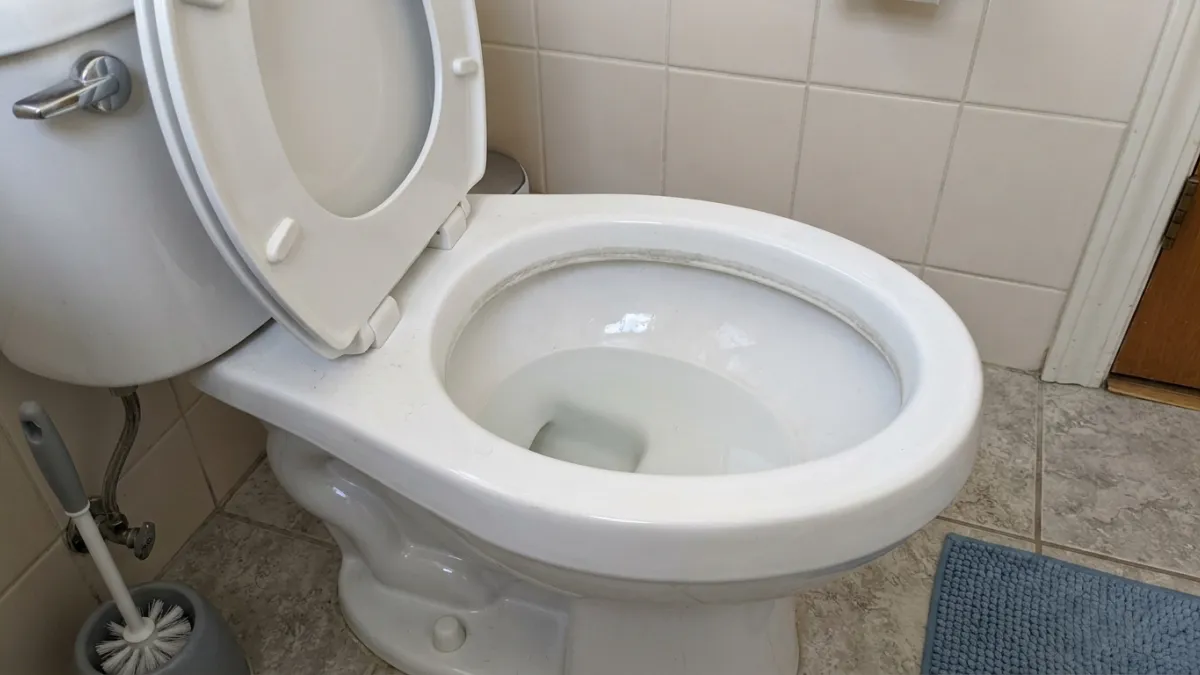
Staring at a dark brown or yellowish ring inside your toilet bowl that refuses to budget no matter how hard you scrub with a standard toilet brush is one of the most frustrating experiences in home maintenance. Over my 20 years in the commercial and residential cleaning industry, I have seen homeowners spend hundreds of dollars on harsh chemical sprays, only to wear out their arms scrubbing away at mineral deposits that seem completely impervious to standard cleaners. That stubborn ring is not regular dirt; it is a hard crust of mineral scale created by dissolved calcium and magnesium present in hard water, often stained brown or black by rust and manganese.Quick answer: To remove a stubborn hard water ring that won't scrub off, lower the water level in the bowl and apply an acidic mineral dissolved like a specialized citric acid solution or commercial hydrochloric acid cleaner, letting it sit for 30 to 45 minutes. For heavy mineral buildup, gently rub the wet deposit using a wet natural pumice stone, keeping both the stone and porcelain lubricated to break down the scale without scratching the surface finish.
Understanding Why Hard Water Rings Resist Normal Cleaning
Before you jump into scrubbing, it helps to understand what you are actually fighting. The water supplied to millions of homes contains high concentrations of dissolved minerals, primarily calcium carbonate and magnesium sulphate. When standing water sits in your toilet bowl, particularly at the fill line, water gradually evaporates between flushes. This evaporation process forces minerals out of solution, causing them to crystallize and adhere to the smooth porcelain glaze.
Standard household disinfectants and all-purpose bowl cleaners are formulated to target bacteria and organic soil using alkaline detergents or bleach. Bleach might temporarily lighten the color of a mineral ring by removing organic surface stains, but it does nothing to dissolve calcium buildup. Because calcium carbonate has an alkaline pH, standard alkaline cleaners are chemically incapable of breaking its ionic bonds. To dissolve mineral scale effectively, you must lower the pH using targeted acidic compounds with a pH level between 1.0 and 3.0.
Furthermore, as mineral scale accumulates, its porous texture acts like a sponge, trapping iron oxide (rust), manganese, and body waste. This turns what started as a white crust into a tough, multi-layered brown or dark grey ring. The longer these minerals remain on the porcelain, the thicker and denser the crust becomes, eventually requiring a combination of targeted chemical dissolution and mild, safe mechanical abrasion to remove completely.
Essential Tools and Chemical Cleaners for Mineral Scale Removal
Over decades of professional detailing work, I have refined the exact kit required to tackle severe hard water deposits safely. Using the wrong tool—such as wire brushes, steel wool, or dry abrasive pads—will strip the protective porcelain glaze off your toilet, leaving a dull, porous surface that attracts double the mineral buildup within weeks.
Cleaner's tip: Never attempt to use a pumice stone on a dry toilet bowl surface. Always submerge the pumice stone in water for 5 minutes prior to use, and keep the porcelain dripping wet while working. Dry pumice will create micro-scratches in the vitrified china glaze, permanent damage that makes future stain removal nearly impossible.
Here is a breakdown of the most effective tools and chemical agents for tackling calcified toilet rings, along with their ideal applications and safety profiles:
| Tool / Chemical Agent | Chemical pH / Mechanism | Best Used For | Safety & Glaze Protection |
|---|---|---|---|
| Distilled White Vinegar (5-10% Acid) | pH ~2.5 (Organic Acid) | Light to moderate mineral lines | 100% Safe on Porcelain & Septic |
| Commercial Acid Cleaner (e.g., Lysol Power, Lime-A-Way) | pH ~1.0-1.5 (Hydrochloric/Sulfamic) | Heavy mineral crust & iron stains | Safe for porcelain; Wear gloves/goggles |
| Natural Volcanic Pumice Stone | Mechanical Soft Abrasive | Thick, calcified ring lines | Must keep wet; Safe on standard porcelain |
| Melamine Foam Sponge (Heavy Duty) | Micro-abrasive structure | Light surface rings after chemical soak | Safe on all finishes, gentle action |
6-Pack PUMIE HDW Scouring Stick for Toilet Bowl Cleaning, Cleans Toilet Bowl Hard Water Rings, Buildups, Rust & Tough Stains, Perfect Pumice Stone for Cleaning Bathtub, Pools, Kitchens, Sinks & Grills

Step-by-Step Guide: Removing Heavy Hard Water Rings
Follow this tested professional process to remove heavy mineral scale without damaging your fixture or spending hours on unnecessary labor.
Step 1: Drain the Water Level in the Bowl
Trying to apply acidic cleaners or use abrasive tools through a full bowl of standing water dilutes your chemical solution to near uselessness. Shut off the water supply valve located behind the toilet by turning it clockwise. Flush the toilet once while holding down the handle to drain most of the water out of the bowl. For the remaining standing water at the bottom, push it down the trapway using your toilet brush in a rapid plunging motion, or scoop it out with a small cup and sponge so the mineral ring is fully exposed to open air.
Step 2: Apply a High-Strength Acidic Descaler
Coat the dry mineral ring thoroughly with your chosen acidic cleaner. If using liquid distilled white vinegar or concentrated citric acid (mixed at 1 cup citric acid powder per 1 quart warm water), soak paper towels in the solution and press them directly onto the mineral ring along the bowl wall. The soaked paper towels hold the acid against the vertical porcelain surface, preventing it from immediately dripping down into the trap. Allow a minimum dwell time of 30 to 60 minutes. For extreme calcification, leave the soaked paper towels overnight.
Step 3: Mechanical Removal with a Wet Pumice Stone
If chemical soaking leaves behind a stubborn thick crust, remove the paper towels and soak a natural toilet pumice bar in warm water for at least five minutes. Ensure the bowl surface is thoroughly wet. Gently rub the flat side of the wet pumice stone across the mineral ring using light to moderate pressure. You will feel and hear the stone grinding away the brittle mineral crust. The pumice stone will wear down slowly, creating a grey slurry paste that aids in polishing away the scale. Periodically dip the stone back in water to keep it lubricated.
Step 4: Deep Cleaning and Final Polish
Once the mineral ring has completely dissolved or broken away, rinse the area by turning the water supply valve back on and flushing the bowl. Take a heavy-duty microfiber cloth or a melamine foam pad coated with an all-purpose cleaner to scrub away residual pumice paste, loosened rust particles, and lingering scale dust. Inspect the porcelain under direct light to verify that all ring outlines are completely gone.
Safety Guidelines and Common Hazards to Avoid
Zep Acidic Toilet Bowl Cleaner, 32 fl oz (Pack of 4)

Working with specialized bathroom cleaning tools and acidic agents requires careful adherence to chemical safety protocols. The most critical safety rule in bathroom cleaning is to **never mix sodium hypochlorite (household bleach) with acidic cleaners or ammonia-based products**. Mixing bleach with acidic toilet cleaners generates toxic chlorine gas, which can cause severe respiratory damage, chemical burns, and eye irritation upon contact.
Always ensure adequate ventilation by running the bathroom exhaust fan and opening windows before applying strong acidic cleaners containing hydrochloric or phosphoric acid. Wear chemical-resistant nitrile gloves and eye protection to guard against unexpected splashes when scrubbing inside the bowl trap. Additionally, verify whether your home uses a septic tank system before selecting commercial chemical cleaners; while white vinegar and citric acid are 100% septic-safe, excessive dumping of strong mineral acids can disrupt beneficial bacterial colonies in septic tanks.
Avoid using hard metals, stainless steel scouring pads, or carbide scraping blades on glazed vitrified china. While glazed porcelain is hard, metal scrapers can gouge the protective glass coat, leaving metallic grey streaks that cannot be scrubbed out and permanently ruining the bowl smooth aesthetic.
Preventative Care: Keeping the Ring From Returning
Once you have restored your toilet bowl to a smooth, shiny state, preventative maintenance will keep hard water scale from taking root again. The easiest strategy is maintaining an acid-rich environment on a regular schedule. Once a week, pour 2 cups of plain distilled white vinegar into the toilet bowl right before you go to sleep, letting it dwell undisturbed overnight to dissolve micro-crystals before they form a solid ring.
If your home suffers from extremely high grain hardness (above 10-14 GPG / grains per gallon), consider placing automated bowl cleaning tablets inside the toilet tank or installing an in-tank cleaning dispenser. Avoid placing highly caustic chlorine bleach blocks inside the tank itself if your toilet model uses rubber flappers and fill valve seals, as concentrated chlorine sitting continuously in the tank can degrade flexible rubber parts within 6 to 12 months, leading to leaks.
For long-term, whole-home protection against hard water scale across all plumbing fixtures, installing a salt-based water softener system or a physical descaler unit at your main water inlet remains the definitive solution. By replacing hard calcium and magnesium ions with soft sodium ions, scale build-up inside toilets, showerheads, and dishwasher heating elements is halted entirely.
Recommendation
For light to moderate hard water rings, start with a natural soak of paper towels drenched in standard white vinegar or concentrated citric acid left on the ring for one hour. If you are dealing with a thick, years-old calcified ring that resists all liquid solutions, purchase a natural volcanic pumice stone designed specifically for toilet bowl cleaning, soak it thoroughly in water, and carefully rub the mineral crust away while maintaining plenty of surface lubrication.
Frequently Asked Questions
Lysol Toilet Bowl Cleaner Clinging Gel, Power, 24 oz, 4 Pack

Will a pumice stone scratch my porcelain toilet bowl?
A natural volcanic pumice stone will not scratch standard vitrified porcelain fixtures as long as both the stone and the surface are kept soaking wet throughout the process. Natural pumice is softer than porcelain glass glaze, allowing it to abrade scale while breaking down harmlessly. However, do not use pumice on modern colored toilets with special non-stick coatings, acrylic fixtures, or plastic toilet bowls.
Can I use CLR or Lime-A-Way inside my toilet bowl?
Yes, commercial descalers like CLR (Calcium, Lime & Rust) and Lime-A-Way are effective against calcified rings. For best results, push the water level down past the ring line first so the liquid cleaner can act directly on the mineral deposit without heavy dilution.
Why does bleach fail to remove the hard water ring?
Bleach is a strong disinfectant and oxidizing agent with an alkaline pH, which means it can sanitize the toilet and sanitize organic matter, but it lacks the chemical ability to break down alkaline calcium and magnesium mineral bonds. Bleach merely lightens the color of the scale without removing the physical buildup.
How often should I treat my toilet to prevent hard water rings?
In homes with hard water, doing a quick 30-minute vinegar soak or applying a mild acidic bowl cleaner once a week prevents mineral micro-crystals from hardening into a tough crust, eliminating the need for heavy scrubbing.
Sources
- US Environmental Protection Agency - Household Cleaning and Septic System Guidelines
- Centers for Disease Control and Prevention - Cleaning and Disinfecting Instructions
- Wikipedia - Limescale and Mineral Scale Chemistry
Looking for the Right Tools?
Check out our verified Top Cleaning Tools & Supplies on Amazon.
As an Amazon Associate, we earn from qualifying purchases.