Disclosure: As an Amazon Associate, we earn from qualifying purchases.
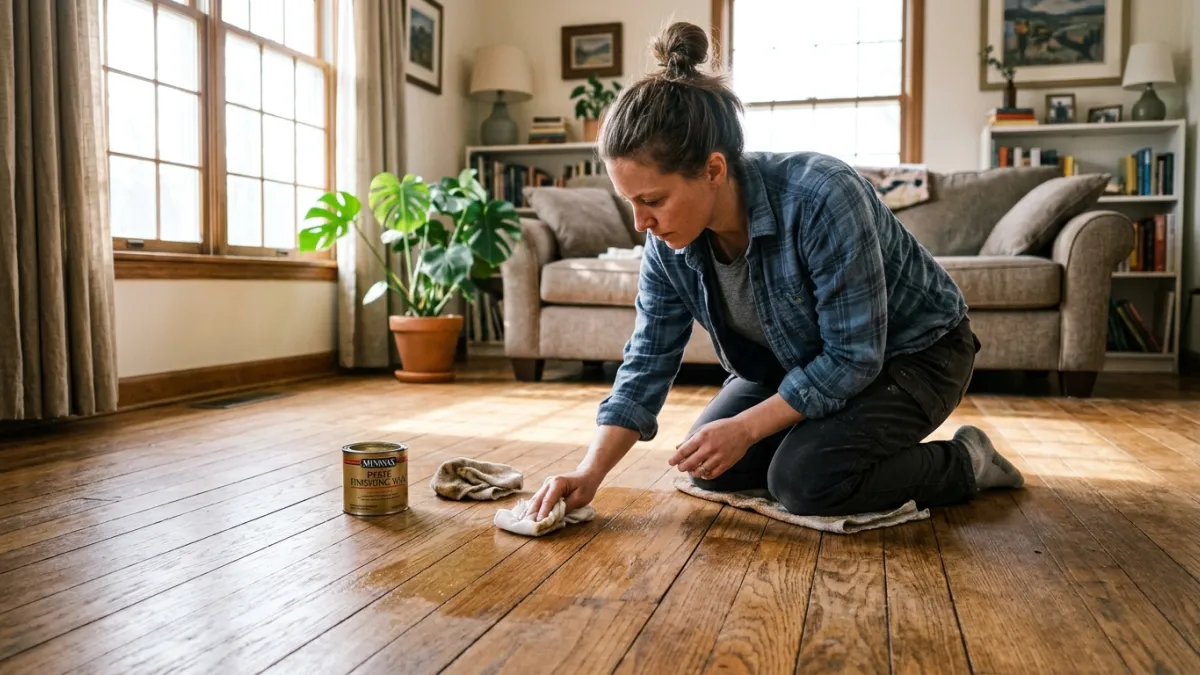
Applying paste wax to hardwood floors is one of the most effective ways to restore deep warmth, water resistance, and a satin luster to unsealed or oil-finished timber. However, homeowners and novice cleaners frequently run into a frustrating outcome: stubborn, hazy streaks and sticky patches across the wood surface. These unsightly marks occur when excess wax is smeared onto the wood, when ambient humidity slows solvent evaporation, or when buffing begins before the wax has properly hazed over. Achieving a glass-smooth, streak-free sheen requires accurate tool selection, strict surface preparation, and ultra-thin application technique.Quick answer: To apply paste wax without streaking, spread an paper-thin coat using a damp cotton cheesecloth wrapped around the wax block, work in 100-square-foot sections following the wood grain, let it dry for 15 to 20 minutes until a matte haze forms, and buff thoroughly using a 175 RPM floor machine equipped with a white polishing pad or 300+ GSM microfiber towels.
Understanding Why Paste Wax Streaks and How to Prevent It
Paste wax is primarily composed of natural carnuba wax, beeswax, and mineral spirit solvents. When spread over hardwood, the solvent evaporates, leaving behind a hard protective shell. Streaking almost always stems from applying too much product in a single pass. When the coat is too thick, the top layer skin dries while solvent remains trapped underneath, creating a greasy, uneven film that smears during buffing rather than polishing clear.
Environmental conditions also play a critical role in how wax behaves. High indoor humidity levels above 65% or room temperatures below 60°F slow down solvent evaporation drastically. If you attempt to buff a wet or semi-cured layer of wax, your pad will simply drag the soft wax back and forth across the boards, generating cloudy ridges. Maintaining a stable ambient environment between 65°F and 72°F ensures predictable drying times and smooth finishing.
Another frequent cause of cloudiness is incompatible floor chemistry. Paste wax should only be applied to bare wood, oil-finished floors, or traditional penetrating-sealed floors. Applying paste wax over polyurethane, acrylic polishes, or factory aluminum-oxide coatings causes severe smearing because solvent wax cannot bond to modern synthetic topcoats. Always verify your floor's existing finish before opening a tin of wax.
Cleaner's tip: To test if your floor has an existing paste wax layer or a modern polyurethane coating, place two drops of clean water in a hidden corner. If white spots appear within 10 minutes, you have a waxed finish. If the water beads cleanly without clouding, your floor has a polyurethane coat—meaning you should never apply paste wax, or it will turn into a streaky nightmare.
Essential Tools and Surface Preparation Before Waxing
Proper preparation makes up 80% of a successful waxing job. Dust particles, hair, and grit trapped under fresh wax act like sand in smooth grease, resulting in fine scratches and textured streaks. Before applying any paste wax, the wood must be stripped of old build-up and thoroughly vacuumed using a dedicated hard-floor tool with soft bristles.
Avoid using wet mops or acidic all-purpose cleaners right before waxing. Moisture trapped in wood pores prevents paste wax solvents from flashing off, while harsh chemicals can compromise the raw wood tone. Instead, clean the timber using a specialized pH-neutral hardwood floor cleaner diluted at approximately 1 to 2 ounces per gallon of warm water. Allow the floor to dry completely for at least 3 to 4 hours before applying any wax products.
FINISHING WAX PASTE 1LB

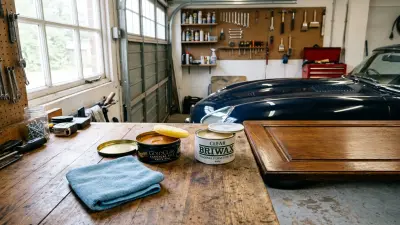
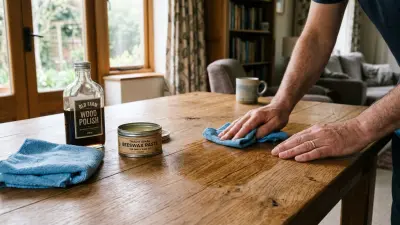
To achieve professional, streak-free results, gather the right equipment in advance. High-grade carnauba-based floor paste wax (retailing between $18 and $32 per 1-pound tin) offers superior hardness compared to cheap paraffin formulas. You will also need porous white terry cloth or 100% cotton cheesecloth for hand application, high-density microfiber cloths rated at 300 to 400 GSM for tight edges, and a low-speed 175 RPM rotary buffer with white or maroon conditioning pads for large open areas.
Recommended Hardwood Waxing Equipment Specifications
- Paste Wax Composition: Carnauba and beeswax blend with mineral spirit solvents (pH neutral, 0% water content).
- Buffing Towels: Premium dual-pile microfiber cloths, minimum 350 GSM weight for manual edge polishing.
- Mechanical Buffer: Low-speed rotary floor machine running at 175 RPM equipped with non-abrasive white polishing pads.
- Prep Cleaners: pH-neutral hardwood soap (pH 7.0) free of silicone oils, acrylic brighteners, or heavy detergents.
Step-by-Step Guide to Applying Paste Wax Without Streaks
Achieving a flawless finish relies on controlled application and patience. Work systematically in manageable sections of roughly 100 square feet rather than trying to cover an entire room at once. This prevents the wax from over-curing before you have a chance to buff it into a high shine.
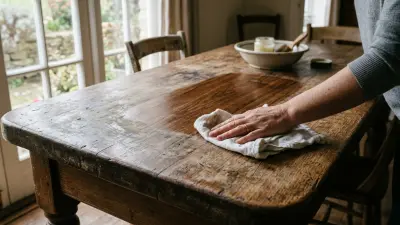
- Load the Application Cloth Correctly: Scoop a golf-ball-sized dollop of paste wax into a square of cheesecloth or white terry rag, then fold the rag around the wax to form a saturated pouch. Squeezing the wax through the cloth prevents large clumps from landing directly onto the bare wood.
- Apply Paper-Thin Layers Along the Grain: Rub the cloth-wrapped wax firmly onto the floorboards, working strictly in the direction of the wood grain. Spread the product as thin as humanly possible; the floor should look slightly dull, not wet or buttery.
- Allow Proper Haze Time: Let the applied wax cure for 15 to 20 minutes. As the solvent flashes off, the liquid sheen will transform into a uniform, chalky haze. If the surface feels tacky when lightly touched with a clean finger, allow another 5 minutes of dry time.
- Buff to a High Sheen: Pass over the hazed section with a low-speed buffer fitted with a soft white pad, moving continuously at a walking pace. For edges and corners, use a fresh 350 GSM microfiber towel, flipping to a clean fold frequently to prevent wax loading.
- Apply a Second Ultra-Thin Coat: For maximum protection, apply a second paper-thin coat following the exact same procedure. Two extremely thin coats will always cure harder, shine brighter, and resist streaks far better than one heavy coat.
Paste Wax vs. Liquid Wood Wax vs. Polyurethane Polish
Understanding how different hardwood finishing products behave helps homeowners choose the right maintenance routine. While paste wax offers unmatched depth and vintage luster, liquid maintenance waxes and waterborne polyurethane polishes operate under very different application rules.
| Feature / Metric | Paste Wax (Carnauba Base) | Liquid Wood Wax | Polyurethane Restorer |
|---|---|---|---|
| Typical Coverage | 500 - 800 sq. ft. per lb | 400 - 600 sq. ft. per gal | 500 - 700 sq. ft. per gal |
| Drying / Haze Time | 15 - 20 minutes | 30 - 45 minutes | 60 - 90 minutes |
| Buffing Method | Rotary buffer / Microfiber | Light hand buffing | Self-leveling (No buffing) |
| Streaking Risk | High if over-applied | Moderate | High if re-worked wet |
| Cure Hardness | Very High (Protective shell) | Medium | High (Synthetic film) |
| Average Price (2026) | $18 - $35 per tin | $22 - $40 per gallon | $25 - $50 per gallon |
Oreck Commercial Orbiter Hard Floor Cleaner, For All Flooring Types

Paste wax provides the highest level of mechanical protection and natural richness for traditional floors, but demands strict labor control during buffing. Liquid waxes contain a higher concentration of mineral spirits, making them easier to spread but less durable over time. Synthetic polishes create acrylic films that should never be mixed with traditional wax products.
Fixing Existing Wax Streaks and Buildup
If you have already applied paste wax and are left with hazy streaks or sticky footsteps, do not panic or attempt to sand the floor. Over-waxed areas can easily be corrected by re-activating the top wax coat with fresh solvent or using targeted mechanical buffing.
To eliminate minor streaks, dampen a lint-free cotton cloth with odorless mineral spirits. Lightly wipe the streaked boards in the direction of the grain to dissolve the top layer of excess wax. The mineral spirits will soften the thick ridges without damaging the underlying wood stain. Immediately follow behind with a clean, dry microfiber cloth to absorb the lifted residue, then allow the area to dry for 20 minutes before re-buffing.
For widespread severe buildup where the entire floor appears cloudy, a full stripping process is required. Apply an odorless solvent-based floor stripper designed specifically for wood floors, agitate gently with a maroon conditioning pad on a floor buffer, and pick up the slush with dry cotton rags. Once bare timber is restored, begin re-waxing using paper-thin coats as outlined above.
Final Professional Recommendation
If you are restoring an authentic, unsealed, or oil-finished hardwood floor and desire a durable vintage sheen, high-carnauba paste wax is the premier choice. For the best outcome, invest in a quality solvent-based paste wax like Minwax or Trewax, wrapped in fine cotton cheesecloth, and rent a 175 RPM floor machine equipped with white polishing pads for the final buffing pass. Always prioritize thin coats over heavy applications to guarantee a crystal-clear, streak-free surface that lasts for years.
Frequently Asked Questions
Why does my wood floor look cloudy after applying paste wax?
Staining Pad - Set of 8, Microfiber Terry Cloth Pad Size = 4" x 5" Ideal for Staining, Polishing, Cleaning, Waxing, and Compund Application

Cloudiness occurs when paste wax is applied too thick or buffed before the solvent has completely evaporated. When excess wax stays soft underneath a skin-dried surface, buffing pads smear the product into hazy ridges rather than polishing it clear.
How long should paste wax sit before buffing?
Under normal indoor conditions (68°F and 50% relative humidity), paste wax should dry for 15 to 20 minutes until a dull, hazy film forms across the wood grain. If the wax sticks to your finger when lightly touched, give it an additional 5 minutes to flash off.
Can you put paste wax over polyurethane-finished floors?
No, paste wax should never be applied over polyurethane or polyurethane-coated engineered wood. Polyurethane forms a non-porous synthetic barrier that prevents paste wax solvents from bonding, resulting in a greasy, streaky surface that easily scuffs.
How often should you apply paste wax to hardwood floors?
Traditional hardwood floors only require re-waxing once every 12 to 18 months in moderate traffic areas. High-traffic hallways may benefit from spot-waxing every 6 to 9 months, but routine cleaning should only involve dry sweeping and pH-neutral damp mopping.
Sources
- National Wood Flooring Association (NWFA) Technical Publications: NWFA Official Site
- Minwax Wood Care Guidelines & SDS Documentation: Minwax Official Site
- United States Environmental Protection Agency (EPA) Indoor Air Quality & Solvents: U.S. EPA
Looking for the Right Tools?
Check out our verified Top Cleaning Tools & Supplies on Amazon.
As an Amazon Associate, we earn from qualifying purchases.