Disclosure: As an Amazon Associate, we earn from qualifying purchases.
It is easy to see why someone might grab a tin of automotive paste wax to polish a dull oak dining table, or rub leftover furniture paste wax onto a car hood to make it shine. Both products bear the word "wax" on their labels, and both promise to deliver a deep, protective gloss. However, as professional detailers and furniture restorers know, applying automotive wax to timber or rubbing furniture wax onto automotive clear coat is a costly mistake. While both products create shine, their underlying chemical formulas, solvent bases, and protective mechanisms are designed for completely different substrates, environmental exposures, and thermal conditions.
Quick answer: Never swap car wax and furniture wax because their solvent carriers and protective agents are chemically incompatible with opposing surfaces. Car waxes contain harsh petroleum distillates and synthetic silicones designed for non-porous paint, which can permanently ruin wood finishes and prevent future refinishing. Conversely, furniture wax relies on soft beeswax and gentle solvents that melt off hot car body panels in direct sunlight within hours.
Chemical Composition: What Is Actually Inside the Tin?
To understand why these products are not interchangeable, you must look closely at their raw formulations. Both categories of wax rely on solid waxes, liquid oils, and solvent carriers to deliver a workable paste. However, the ratio and specific chemistry of these ingredients differ radically depending on whether the target surface is organic wood or clear-coated automotive paint.
Solvents and Carriers
Car waxes utilize fast-evaporating, aggressive solvent carriers such as hydrotreated heavy naphtha, odorless mineral spirits, or aliphatic hydrocarbons. These strong solvents are necessary to cut through oxidized paint layers, industrial fallout, and road tar, allowing synthetic polymers to bond quickly to non-porous clear coats. In contrast, traditional furniture waxes use milder solvents like gum turpentine, citrus oils (limonene), or low-aromatic white spirits. These gentler solvents are specifically selected to dissolve natural waxes like beeswax without softening fragile shellac, varnish, or nitrocellulose lacquer wood finishes.
Active Protective Waxes and Polymers
Automotive detailing waxes feature high concentrations of hard T1 grade Brazilian carnauba wax (which has a melting point of 82–86°C / 180–187°F), fortified with synthetic polymers like polydimethylsiloxane (PDMS) and amino-functional silicones. These additives create extreme hydrophobic water-beading, offer UV protection, and resist high road temperatures. Furniture wax formulas, on the other hand, rely heavily on yellow or white beeswax (melting point of 62–65°C / 144–149°F) blended with smaller amounts of carnauba. Beeswax stays flexible, fills microscopic wood pores, and leaves a warm, hand-rubbed sheen rather than an ultra-reflective plastic gloss.
Cleaner's tip: I once spent three days rectifying an antique mahogany sideboard after a homeowner tried using a popular car paste wax on it. The heavy petroleum solvents liquefied the vintage shellac finish beneath, leaving behind white, foggy ghost marks inside the wood grain. Always check your finish type before applying any wax—if a drop of mineral spirits turns the finish tacky, keep aggressive automotive waxes far away from it.
Why You Should Never Put Car Wax on Wood Furniture
Applying automotive carnauba wax or synthetic paint sealants to real wood, veneer, or wooden furniture introduces immediate chemical and structural risks. Paint sealants are formulated for hardened 2K polyurethane clear coats, not porous natural timber.
1. Solvent Damage to Wood Finishes
Meguiar's G18216 Ultimate Liquid Wax, 16 Fluid Ounces, 1 Pack

The aggressive petroleum distillates in car wax act like mild paint strippers on delicate wood finishes. When applied to vintage shellac, soft varnishes, or oil finishes, the solvents in car wax soften the protective layer. This creates a cloudy, milky haze known as "ghosting" that gets permanently trapped under the hard wax film. Once this solvent haze sets, buffing with a microfiber cloth will not remove it.
2. Silicone Contamination ("Fisheye" Defect)
Modern car waxes rely heavily on liquid silicone and amino-functionalized polymers to enhance slip and water repellency. Wood is a porous material that absorbs these low-viscosity silicones deep into its grain structure. If you ever decide to refinish, stain, or coat the furniture with polyurethane in the future, the embedded silicone will reject the new coating. This results in severe surface cratering, commonly known in woodworking as "fisheye," which often requires deep sanding or professional chemical stripping to fix.
3. White Residue Trapped in Open Wood Grain
Car waxes dry into a hard, chalky white powder when exposed to air. When applied to open-pored woods like oak, ash, or walnut, this white residue lodges deep inside the pores and grain crevices. Scraping it out requires stiff nylon brushes and solvent flushes, which further risks damaging the original wood surface.
Why Furniture Wax Fails on Automotive Paint
If you think using gentle furniture wax on your vehicle's paint is a safe alternative, the harsh realities of outdoor weather will quickly prove otherwise. Furniture wax is formulated strictly for climate-controlled indoor environments.
1. Low Melting Point and Thermal Breakdown
The dark surface of a vehicle parked under direct summer sun can easily reach 65°C to 80°C (150°F to 175°F). Because furniture wax is rich in soft beeswax (which melts at around 62–65°C), the wax layer will literally melt, turn greasy, and attract airborne dust, pollen, and road grime. Instead of protecting your paint, it creates a sticky film that ruins the car's appearance.
2. Lack of UV Inhibitors and Chemical Resistance
Furniture waxes contain no active UV absorbers or heat-stable resins designed to protect clear coat against sun damage, acid rain, bird droppings, or bug splatter. A single rainstorm or a quick wash with car shampoo (even pH-neutral ones around pH 7.0) will completely wash away furniture wax, leaving your automotive paint completely bare and unprotected.
Head-to-Head Comparison: Car Wax vs. Furniture Wax
FINISHING WAX PASTE 1LB

To help you see the operational differences clearly, here is a detailed performance breakdown comparing typical commercial paste waxes across both categories.
| Property / Feature | Automotive Car Wax | Furniture Wood Wax |
|---|---|---|
| Primary Wax Base | Hard Carnauba (T1) & Synthetic Polymers | Natural Beeswax & Soft Carnauba Blend |
| Solvent Type | Heavy Petroleum Distillates / Naphtha | Gum Turpentine / Citrus Limonene / Mineral Spirits |
| Melting Point | 82°C – 95°C (180°F – 203°F) | 62°C – 65°C (144°F – 149°F) |
| Additives | Silicones (PDMS), UV Inhibitors, Hydrophobic Polymers | Drying Oils (Linseed/Walnut), Color Pigments (Patina) |
| Surface Target | Non-porous Automotive Clear Coat & Metal | Porous Raw Wood, Varnish, Shellac & Leather |
| Water & Heat Resistance | High (Resists Rain, Washes, High Heat) | Low to Moderate (Indoor Humidity Only) |
| Average Price Range (2026) | $12 – $35 per 12 oz tin (e.g., Meguiar's, Turtle Wax) | $10 – $28 per 8 oz tin (e.g., Minwax, Howard, Briwax) |
When selecting the right product for your task, keep these key rules in mind:
- Use Car Wax for: Automobiles, motorcycles, fiberglass boat gel coats, and clear-coated metal surfaces exposed to outdoor elements.
- Use Furniture Wax for: Indoor hardwood tables, cabinets, antique wood furniture, chalk-painted decor, and unvarnished timber accents.
- Never mix products: Avoid multi-surface spray polishes that claim to work equally well on leather, car paint, and oak furniture; specialized surfaces require dedicated chemistries.
How to Fix an Accidental Wax Swap
If you or someone in your house accidentally applied car wax to a piece of fine furniture—or slapped wood wax on a car hood—do not panic. You can safely remove the wrong wax if you act promptly using the right solvents.
Removing Car Wax from Wood Furniture
- Dampen a lint-free microfiber cloth: Lightly wet a clean 300+ GSM microfiber towel with low-odor mineral spirits. Do not soak the wood.
- Wipe gently along the grain: Wipe the affected area in straight lines following the direction of the wood grain to lift the hardened car wax without scrubbing harshly.
- Flush open pores: If white wax residue remains trapped in grain pores, use a soft-bristled toothbrush dampened with mineral spirits to gently agitate the pores.
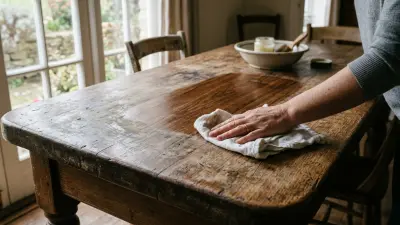
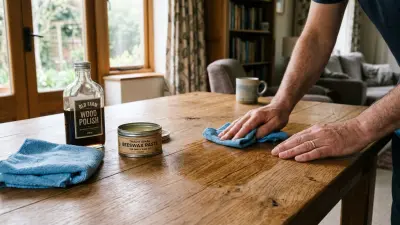
- Recondition the wood: Buff dry with a dry cloth, then reapply a dedicated wood conditioner or high-quality furniture paste wax (such as Howard Feed-N-Wax or Minwax Paste Finishing Wax).
Removing Furniture Wax from Car Paint
- Wash the vehicle: Wash the car panel using a strong strip shampoo or a solution of pH 9.0–10.0 alkaline degreaser diluted 1:10 with water.
- Wipe with Prep Spray: Spray a 50/50 mixture of Isopropyl Alcohol (IPA) and distilled water onto the panel, or use a dedicated panel prep spray.
- Wipe clean: Buff away the softened beeswax using a clean microfiber cloth.
- Protect the paint: Apply a proper automotive carnauba paste wax or synthetic polymer sealant (such as Turtle Wax Ice Paste Wax or Chemical Guys Butter Wet Wax) to establish true weather protection.
Recommended Wax Solutions for Home and Auto
Meguiar's Supreme Shine Microfiber Towels, 16x24 in, 3 Packs of 3, 9 Total

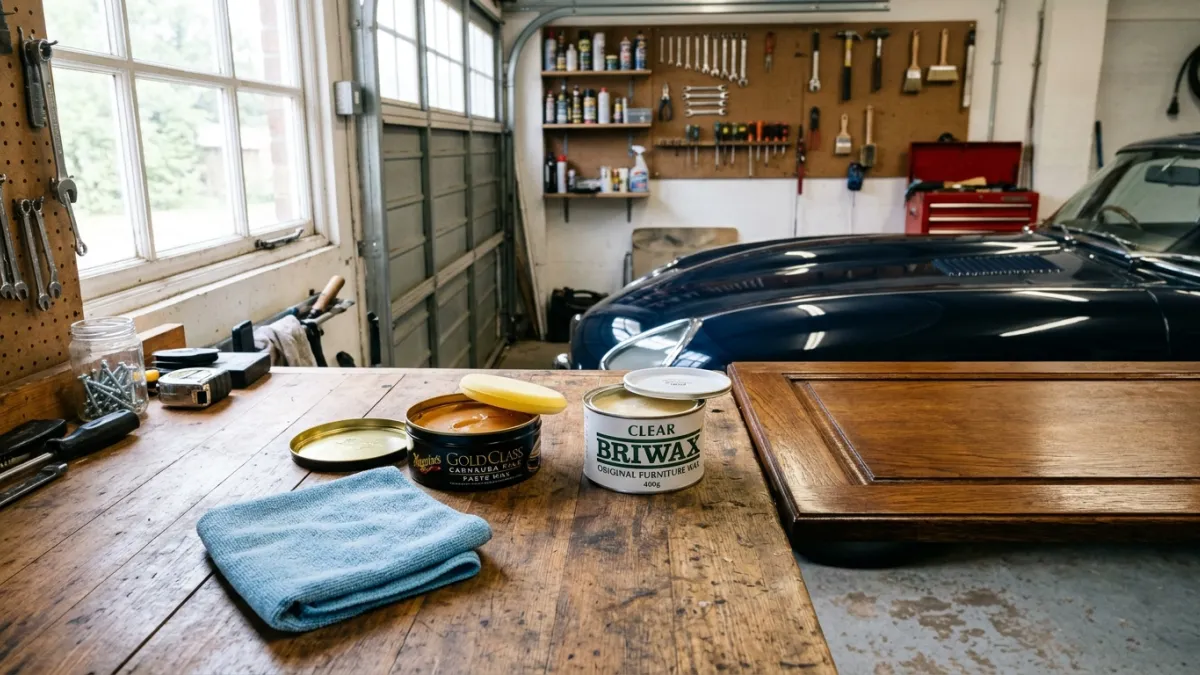
For best results, always keep separate products for your garage and your home living spaces. If you need to protect fine wood furniture, choose a dedicated natural paste wax like Minwax Paste Finishing Wax or Howard Feed-N-Wax, which combine gentle solvents with beeswax to feed timber without harming underlying varnishes. For your vehicle, stick to tried-and-tested automotive paste waxes like Meguiar's Gold Class Carnauba Plus or Turtle Wax Carnauba Cleaner Wax, which deliver heat-resistant UV protection and hydrophobic gloss tailored for painted clear coats. Using the right tool and product for the right surface is the single most effective way to protect your investments and avoid expensive restoration work.
Frequently Asked Questions
Can I use car paste wax on a marble or granite countertop?
No, you should not use car wax on kitchen countertops. Car waxes contain volatile organic compounds (VOCs) and petroleum distillates that are not rated food-safe by regulatory guidelines. Furthermore, car wax can leave a slippery residue on stone that absorbs unevenly and becomes cloudy under kitchen moisture. Use an EPA-compliant or food-safe sealer designed specifically for natural stone.
Is paste wax the same as furniture wax?
Paste wax is a broad category term referring to any solid or semi-solid wax formulation packed in a tin. While most traditional furniture waxes are paste waxes, not all paste waxes are safe for furniture. Automotive paste waxes, metal paste waxes, and industrial mold release paste waxes fall into the same structural format but contain vastly different chemical solvents and silicone additives.
What happens if you use car wax on chalk-painted wood?
Car wax will ruin chalk paint. Chalk paint is extremely porous and dry by nature; it instantly absorbs the liquid petroleum solvents present in car wax. This causes the paint to bleed, streak, and discolor, resulting in a dark, blotchy appearance that cannot be corrected without completely repainting the surface.
Can I use clear carnauba wax on both cars and wood?
Pure 100% carnauba wax in its raw flake state is safe in theory, but in commercial products, carnauba is always dissolved in liquid solvents to make it spreadable. The chemical solvent carrier used in the automotive product is what makes it unsuitable for wood, while the wood-safe carrier lacks the heat resistance needed for vehicle paintwork. Always buy products formulated specifically for the surface material.
Sources
- Wikipedia: Carnauba Wax Properties & Applications
- Wikipedia: Chemical Composition & Melting Points of Beeswax
- Meguiar's Official Technical Care Guide & Surface Compatibility
- Minwax Architectural Wood Finishing & Care Manual
Looking for the Right Tools?
Check out our verified Top Cleaning Tools & Supplies on Amazon.
As an Amazon Associate, we earn from qualifying purchases.