Disclosure: As an Amazon Associate, we earn from qualifying purchases.
Accidents happen during romantic dinners, cozy candlelit evenings, or holiday gatherings, leaving stubborn melted candle wax embedded in carpet fibers or favorite tablecloths. Standard vacuuming will not budge solid paraffin, and scrubbing hot wax only spreads the stain deeper into the fabric backing. Fortunately, removing candle wax and the residual oily film it leaves behind is entirely straightforward once you understand how wax responds to thermal manipulation and specialized solvents.
Quick answer: Solidify fresh candle wax immediately using an ice pack wrapped in a towel, then gently flake off the bulk material with a dull butter knife. For remaining residue embedded deep in fibers, absorb the melted wax onto a paper towel or brown paper bag using an iron set to low heat (no steam), followed by a mild solvent like isopropyl alcohol or dish soap to lift dye stains.
Understanding Wax Types and How They Bind to Fibers
Before grabbing an iron or chemical spray, it helps to know what type of wax you are dealing with. Paraffin wax, soy wax, beeswax, and scented melter waxes react differently based on their melting points and oil composition. Standard paraffin wax melts around 120°F to 140°F (49°C to 60°C), while natural soy wax melts much lower at around 110°F to 130°F. Beeswax has a higher melting point near 145°F and leaves a stickier residue due to natural resins.
When liquid wax hits carpet yarn—whether synthetic nylon, polyester, or natural wool—it encapsulates the individual filaments. As it cools, the wax hardens into a rigid solid that locks onto the surface. Attempting to rub hot or warm wax forces liquid molecules into the carpet backing, turning a superficial spill into a deep-set stain that can attract dirt for months if untreated.
Cleaner's tip: Never apply direct heat from a clothes iron straight onto synthetic fibers like polyester or olefin without a thick protective paper layer. Polyester melts at around 480°F, but thin carpet fibers can easily scorch or curl under a hot iron set to medium heat. Always keep the iron moving and keep the temperature setting strictly on Low or Silk.
Method 1: The Heat and Absorbent Paper Technique
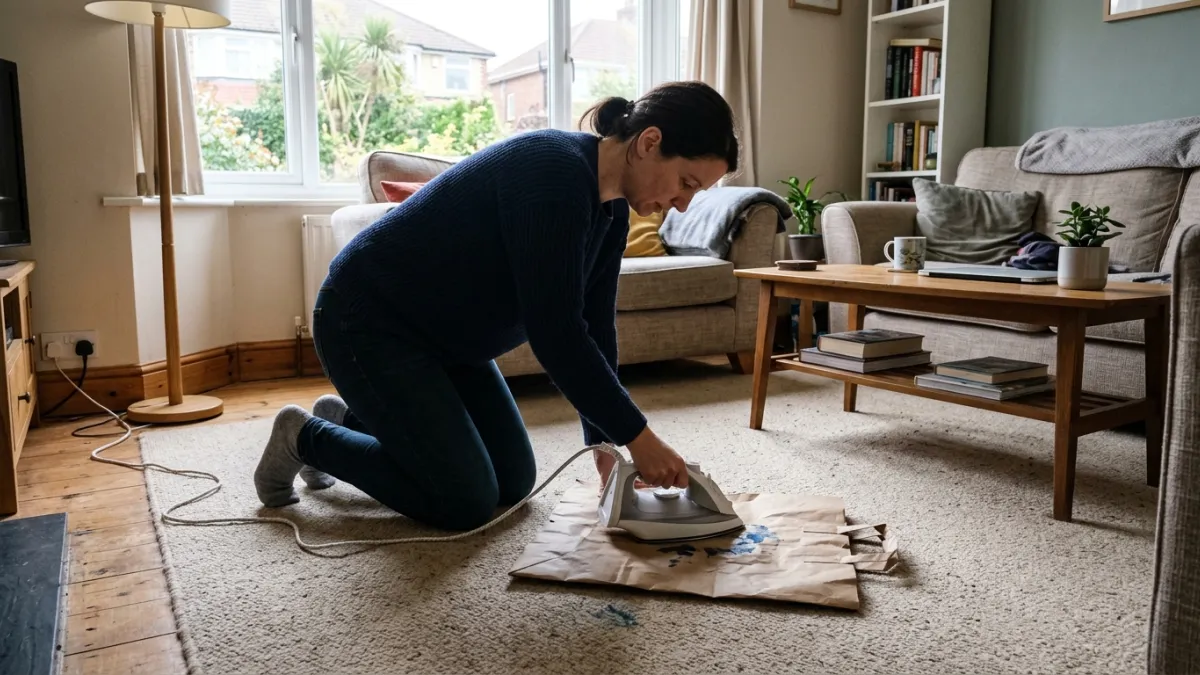
The low-heat transfer method is the most reliable way to extract solidified wax from carpets, curtains, tablecloths, and heavy upholstery. This technique relies on capillary action to lift liquefied wax out of the fabric and directly into an absorbent medium like plain paper towels or unprinted brown craft paper.
Goo Gone Spray Adhesive Remover Gel, 6 Pack, Removes Glue, Stickers, Tape Residue, Grease, Gum & Wax, Adhesive Spray with Citrus Cleaning Power for Hard Surfaces, Carpets & Fabrics

Step 1: Chill and Scrape the Bulk Wax
Place a plastic bag filled with ice cubes directly over the hardened wax spill for 10 to 15 minutes. Once the wax becomes brittle, take a blunt butter knife, standard credit card, or plastic carpet scraper to break the mass into small chunks. Vacuum up all loose fragments using a hose attachment before applying any heat. Removing 70% of the bulk wax cold prevents you from spreading melted wax over a larger area later.
Step 2: Thermal Transfer Using an Iron or Blow Dryer
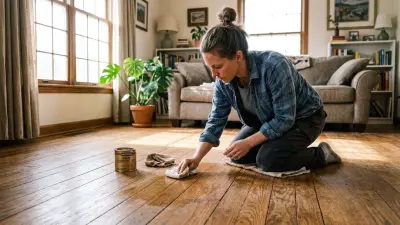
Cover the affected area with two layers of plain white paper towels or a section of plain brown paper bag (avoid printed paper as ink will transfer onto your fabric). Set a standard laundry iron to the lowest dry setting with the steam feature turned completely OFF. Press the warm iron gently onto the paper layer for 10 to 15 seconds. As the wax heats up, it melts and absorbs straight into the paper. Move a fresh section of paper over the spot and repeat until no more oily marks appear on the paper.
Method 2: Solvent and Detergent Extraction for Residual Stains
Even after removing all solid wax mass, candles often leave behind a greasy oil mark or colored dye stain. Cleaning these leftover traces requires solvent extraction and emulsification to break down hydrophobic wax molecules.
For washable fabrics like cotton shirts or linen tablecloths, apply a high-surfactant liquid dish soap (such as Dawn Platinum) directly onto the stain. Work the soap into the weave using a soft-bristled brush, let it sit for 15 minutes, and rinse thoroughly under warm running water. For colored dye stains left by scented candles, dab the area with 70% isopropyl rubbing alcohol using a 300+ GSM microfiber cloth until the color lifts completely.
200 Pcs Parchment Paper Sheets, 12 x 16 Inch, Precut Non-Stick Parchment Sheets for Baking, Cooking, Grilling, Air Fryer and Steaming - Unbleached, Fit for Half Sheet Pans

| Wax Removal Method | Best Used For | Required Tools | Safety & Precaution Notes |
|---|---|---|---|
| Ice & Scrape Method | Hardened thick spills on any fabric/carpet | Ice pack, dull knife, vacuum hose | Avoid sharp blades that cut carpet fibers. |
| Heat Transfer Method | Embedded residue in carpet & sturdy fabric | Low-heat iron, brown paper, paper towels | Do not use steam; keep iron moving constantly. |
| Alcohol Solvent Extraction | Dye marks and oily rings after wax removal | 70% Isopropyl alcohol, microfiber cloth | Test for colorfastness on hidden carpet area first. |
| Enzyme / Detergent Wash | Washable clothing, tablecloths, seat covers | Dawn dish soap, warm water, scrub brush | Rinse thoroughly to prevent soapy dirt attraction. |
Preventing Permanent Damage and Carpet Scorch Marks
Improper wax removal techniques often cause permanent damage like scorch marks, melted synthetic pile, or bleached fibers. Avoiding high-heat steam irons is critical because moisture traps heat and can cause latex carpet backing to delaminate. Additionally, never use harsh acetone or paint thinners on synthetic carpets, as these strong solvents dissolve carpet fibers instantly.
If you are working with wool carpeting or delicate silk upholstery, skip the heated iron method entirely. Instead, stick strictly to freezing the wax mass, scraping gently, and applying a specialized solvent-based carpet spotter like Goo Gone or Citrus Spotter designed specifically for fine fabrics. Always work from the outer edge of the stain inward to prevent the ring from spreading.
Which Wax Removal Method Should You Pick?
For everyday candle spills on standard synthetic home carpets, start with the ice-and-scrape method to knock out the heavy mass, followed by a warm iron paired with plain brown paper to lift the deep residue. If you are dealing with washable cotton clothes or tablecloths, an ice pack followed by a direct application of Dawn liquid dish detergent and a warm water wash will deliver clean results without needing an iron. For expensive wool carpets or antique fabrics, rely exclusively on freezing techniques and professional solvent spot cleaners to preserve fiber integrity.
Frequently Asked Questions
Can I use a hair dryer instead of a laundry iron to melt wax?
FOLEX Instant Carpet Spot Remover 128 oz - Powerful Stain Remover for Carpets, Upholstery & Rugs - Eliminates Pet Stains, Grease, Red Wine, Food, Makeup & More - With Reusable Cleaning Cloth

Yes, a standard hair dryer set to medium-high heat works very well, especially for delicate upholstery or vertical surfaces where pressing a heavy iron is difficult. Place a paper towel over the spot and blow hot air until the wax melts into the paper.
How do I remove candle dye stains left behind after the wax is gone?
Apply 70% isopropyl rubbing alcohol directly to a clean microfiber cloth and gently blot the colored ring. For severe dye stains on white fabrics or light carpets, an oxygen-based spot remover like OxiClean Max Force can safely break down organic dye pigments.
Will steam cleaning carpet remove candle wax?
Direct hot water extraction can melt residual wax, but if there is a large wax chunk in the carpet, steam cleaning will melt it into neighboring fibers and clog your extractor nozzle. Always extract solid wax using heat transfer paper before running a steam cleaner over the area.
Sources
- Wikipedia: Paraffin Wax Properties & Melting Points
- American Cleaning Institute: Stain Removal Guide
Looking for the Right Tools?
Check out our verified Top Cleaning Tools & Supplies on Amazon.
As an Amazon Associate, we earn from qualifying purchases.