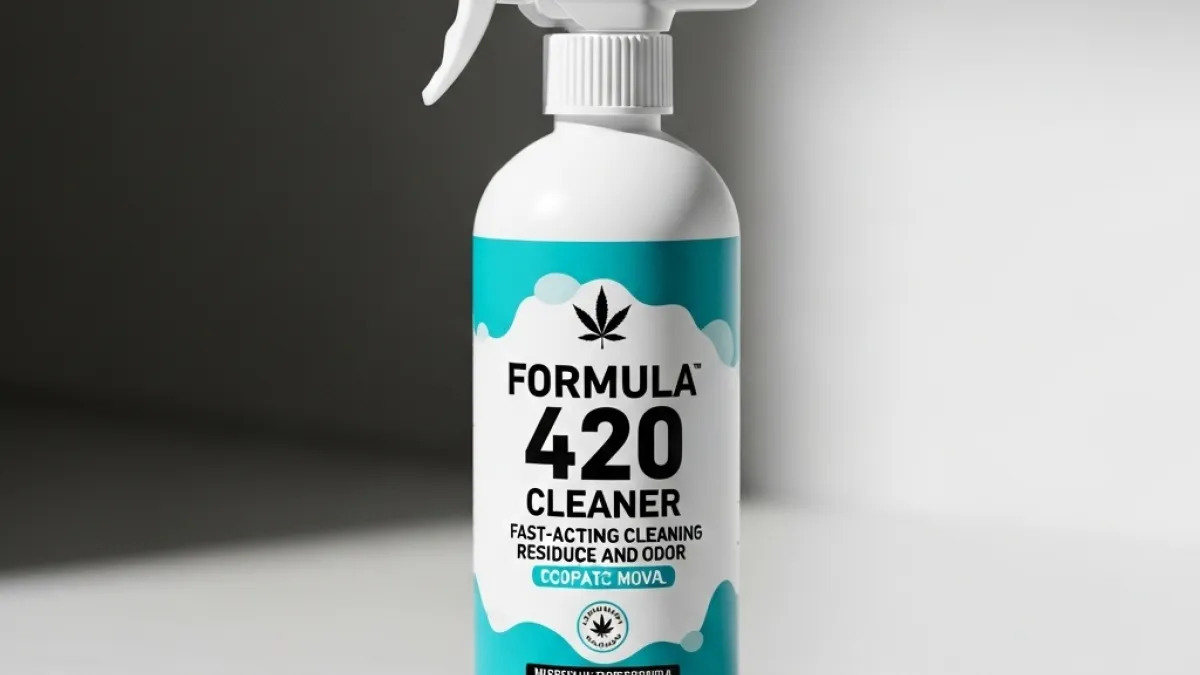
Quick answer: Formula 420 Original Cleaner utilizes a fast-acting isopropyl alcohol-based solvent combined with non-scratch, water-soluble abrasive crystals. By pouring the solution into dirty glass, sealing the openings, and shaking vigorously for 60 seconds, it strips away heavy resin and tar instantly without requiring overnight soaking or narrow scrubbing brushes.
Understanding the Dual-Action Chemistry of Formula 420
To understand why Formula 420 performs so much faster than traditional cleaners, you have to look at its underlying formulation. Most home cleaners rely strictly on chemical dissolving power, which takes time when dealing with heavy carbonized oil and resin. Formula 420 uses a dual-action mechanical and chemical approach. The fluid component acts as an organic solvent with a pH near neutral, specifically designed to break the chemical bond between sticky plant tar and smooth silicate surfaces.
Suspended directly inside the liquid solvent are specialized abrasive micro-crystals. These crystals are engineered to possess a hardness level lower than blown pyrex or borosilicate glass (which sits around 5.5 to 6 on the Mohs hardness scale). Because the crystals are softer than the glass, they physically impact and scrape away caked-on tar without leaving hairline scratches or micro-abrasions where future resin could anchor itself. Once the mechanical scrubbing is done, these crystals dissolve completely in plain tap water, leaving behind zero chalky residue.
Beyond the primary solvent and physical abrasives, the chemical composition includes mild non-ionic surfactants and neutralizing fragrance agents. surfactants lower the surface tension of the liquid, allowing the cleaner to seep underneath stubborn resin deposits. Meanwhile, the deodorizing agents work on a molecular level to strip away strong, lingering combustion smells, leaving your glass smelling completely neutral after a final rinse.
Cleaner's tip: Never attempt to accelerate the cleaning process by using boiling hot water to rinse out Formula 420. High-temperature water combined with alcohol vapors creates dangerous fumes and risks breaking delicate glass through thermal shock. Always use lukewarm tap water (around 100°F to 105°F) for both pre-rinsing and final flushing.
Step-by-Step Instructions: How to Clean Glass Accessories in 60 Seconds
Getting a spotless, factory-fresh finish on your intricate glass pieces requires proper technique. Simply pouring the cleaner into a vessel won't deliver optimal results if the abrasive crystals aren't properly distributed. Follow these exact steps to deep clean your equipment safely and efficiently.
- Drain and Pre-Rinse: Pour out any stagnant water from the piece. Rinse the interior with warm tap water to flush away loose debris, ash, and unburned material. Shake out as much excess liquid as possible so you do not dilute the cleaner.
- Vigorously Shake the Bottle: The heavy abrasive crystals naturally settle at the bottom of the Formula 420 container. Shake the bottle hard for 10 to 15 seconds before opening it to ensure an even slurry of crystals and solvent.
- Pour the Solution: Add approximately 1 to 2 fluid ounces (30 to 60 ml) of Formula 420 directly into the piece. You only need enough liquid to submerge the bottom chamber and dirty joint sections.
- Plug Openings and Shake: Cover all glass openings securely using specialized silicone cleaning plugs or tight-fitting rubber caps. Hold the item firmly with both hands and shake vigorously for 60 seconds. Ensure the abrasive crystals slosh directly against heavily soiled areas and narrow percolators.
- Flush Thoroughly: Remove the plugs and pour the dirty solution directly down the drain. Rinse the entire piece thoroughly with warm running tap water for at least 90 seconds until all crystal remnants dissolve and the liquid runs crystal clear.
Performance Comparison: Formula 420 vs Traditional Methods
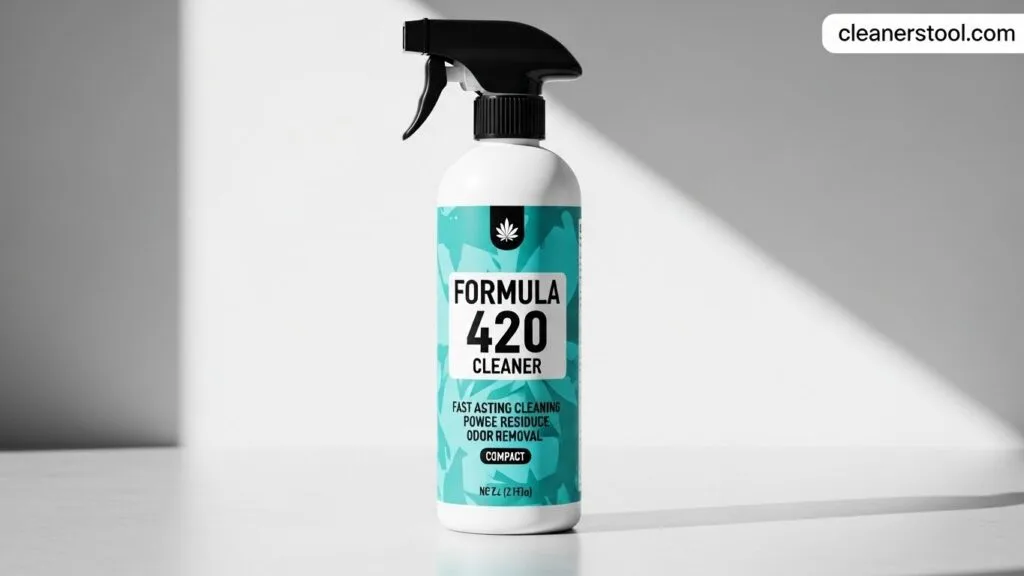
Professional cleaners often compare commercial glass formulas against homemade remedies like 91% Isopropyl alcohol mixed with coarse Epsom or coarse Sea salt. While DIY mixtures cost less per bottle, commercial formulations like Formula 420 save significant labor hours, reduce chemical odor, and perform much better inside complex multi-arm percolators where large salt grains usually get stuck or fail to reach.
In side-by-side testing on heavily neglected water pipes with six months of resin accumulation, standard 90%+ isopropyl alcohol requires a minimum dwell time of 4 to 12 hours to break down tar completely. Formula 420 accomplishes the same task in roughly one to two minutes of active mechanical agitation. For commercial cleaning businesses or enthusiasts maintaining high-value glass collections, time savings easily outweigh the price differential.
| Cleaning Solution | Active Ingredients | Soak / Dwell Time | Abrasive Properties | Average Cost (2026) |
|---|---|---|---|---|
| Formula 420 Original | Alcohol solvent, crystal abrasives, surfactants | 1 Minute (No soaking) | Water-soluble, non-scratch micro-crystals | $12.00 - $15.00 (12 oz) |
| 91% Isopropyl Alcohol + Salt | Isopropanol, Sodium Chloride | 30 to 120 Minutes | Coarse salt (can block small percolator slits) | $4.00 - $6.00 (DIY mix) |
| Simple Green / Degreaser | Water-based alkaline surfactants (pH 8.5-9.5) | 12 to 24 Hours | None (requires manual brush scrubbing) | $7.00 - $9.00 (32 oz) |
| Hot Water & Dish Soap | Anionic surfactants, water | Ineffective on heavy tar | None | $3.00 - $5.00 |
Safety Precautions, Material Compatibility, and Buying Advice
Formula 420 Original is designed specifically for standard borosilicate glass, pyrex, solid ceramic, and unpainted metal components. However, caution must be taken when working with specialized materials. Do not use the Original abrasive formula on delicate acrylic, soft plastic, or hand-painted exterior glass designs, as the abrasive friction can cloud soft plastics or scrub off outer paint decals over time. For acrylic or delicate art pieces, choose specialized non-abrasive formulas or mild soap washes.
Because the solvent contains volatile organic compounds (VOCs) and flammable alcohols, always perform your cleaning in a well-ventilated space away from open flames, gas stove pilot lights, or hot heating elements. Avoid skin contact by wearing light nitrile gloves, as the solvent can strip natural oils from your hands, causing dry skin or mild irritation during prolonged exposure.
When purchasing, a standard 12-ounce bottle runs between $12 and $15 at local smoke shops or online retailers like Amazon. If you clean your equipment weekly, buying a 3-pack or 16-ounce multi-pack brings the cost down significantly per fluid ounce, making it a highly cost-effective addition to your specialized detailing supplies.
Selection Recommendation
If you own thick borosilicate glass pieces, water pipes with complex internal percolators, or durable metal accessories, Formula 420 Original Cleaner is the undisputed top choice for restoring your items to factory clarity in under two minutes without manual brush scrubbing. If you are cleaning soft acrylic, delicate hand-blown glass with painted exteriors, or plastic components, skip the Original formula and opt instead for an alcohol-free, non-abrasive specialty cleaner to protect decorative finishes.
Frequently Asked Questions
Can Formula 420 damage percolators or thin glass?
No, the abrasive crystals are softer than borosilicate glass and will not scratch or shatter internal glass percolators when shaken gently with liquid. However, avoid hitting metal tools against delicate glass joints while cleaning.
What should I do if the abrasive crystals clog small glass holes?
Because the crystals are fully water-soluble, simply flush the piece with warm tap water for 30 to 60 seconds. The water quickly dissolves the crystals, allowing them to flow freely out of tiny percolator slits.
Can I reuse Formula 420 after cleaning a glass piece?
Reusing the solution is not recommended. Once used, the liquid solvent becomes saturated with dissolved oils, tar, and suspended ash, while the abrasive crystals dissolve in ambient moisture, severely reducing the cleaner's effectiveness for a second run.