
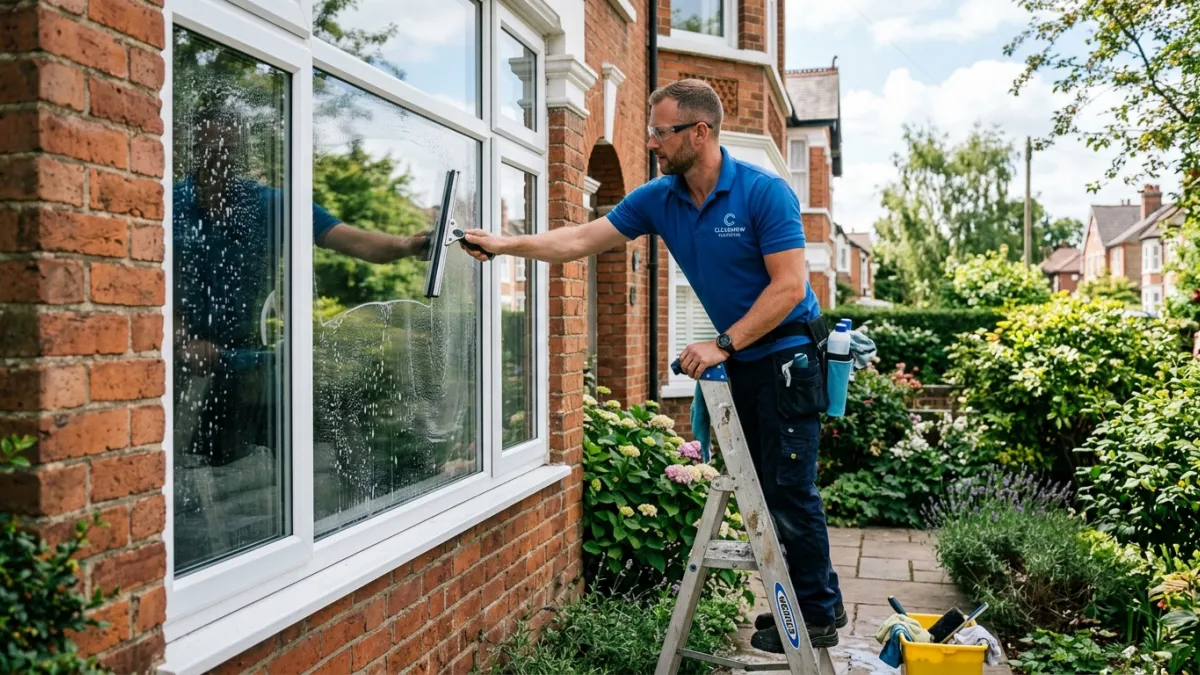
Achieving perfectly clear glass requires a balanced cleaning solution combined with the right mechanical action: a mix of 1 part 99% isopropyl alcohol, 1 part distilled water, and 1 tablespoon of white vinegar paired with a high-quality 12-inch rubber squeegee yields professional, streak-free results every time. Avoid using standard tap water or paper towels, as hard minerals and loose paper lint create cloudy films and static charges that attract dust immediately back to the surface.
Commercial Window Cleaners vs. DIY Glass Solutions
Selecting the right window cleaner formula depends on the type of dirt, glass coating, and environmental factors. While commercial ready-to-use sprays offer convenience, professional cleaners often prefer custom mixes or specialized concentrates for large-scale jobs.
Commercial Glass Sprays and Multi-Surface Cleaners
Ready-to-use commercial aerosol and trigger sprays are formulated with fast-evaporating solvents like ethanol or glycol ethers. These are ideal for quick touch-ups on interior mirrors, light dust, and finger smudges. However, multi-surface household formulas like Fantastik cleaner work well on greasy window frames, vinyl sills, and blinds, but should generally be followed by a dedicated glass cleaner on the pane itself to avoid leaving heavy surfactant residues on the glass surface.
Professional DIY Vinegar and Alcohol Mix
For large glass panes, sunrooms, and exterior windows, a DIY formula avoids film buildup. Distilled water is critical because tap water contains calcium and magnesium that dry into white spots.
- 16 oz Distilled Water: Prevents mineral spots.
- 16 oz Isopropyl Alcohol (70% or higher): Accelerates evaporation rate to prevent streaks.
- 1 tbsp White Distilled Vinegar (5% acidity): Cuts through light oil, soap scum, and hard water residue.
- 2 drops Liquid Dish Soap (Optional): Acts as a surfactant to slip squeegee blades smoothly across glass.
Essential Tools for Professional Glass Cleaning
A good chemical solution is only half the battle. Using the right hardware shortens cleaning time by up to 50% while improving clarity.
| Tool Type | Best Used For | Key Features to Look For |
|---|---|---|
| Brass or Stainless Squeegee | Main glass cleaning pass | Replaceable soft rubber blade, ergonomic handle |
| Microfiber Scrubber Sleeve | Washing and breaking up grime | High-pile synthetic fibers with scrub pad ends |
| Waffle-Weave Microfiber Towel | Drying edges and sills | Zero-lint weave, 300+ GSM rating |
| Glass Razor Scraper | Removing paint overspray and tape | 4-inch retractable stainless steel blade |
Step-by-Step Guide to Cleaning Windows Without Streaks
Follow this standard four-step process used by professional window washers to clean both exterior and interior windows efficiently.
Step 1: Dry Dust and Scrub Frames
Before applying liquid to the glass, brush away dry dust, cobwebs, and dirt from the window tracks, screen, and frame. If frames have thick grime or oily residue, scrub them down first using a multi-surface degreaser or all-purpose cleaner and wipe completely dry so dirty water doesn't wash onto clean glass later.
Step 2: Apply the Cleaning Solution
Drench your microfiber washer sleeve in your mixed window cleaner solution and squeeze out excess water until it is damp but not dripping profusely. Scrub the glass thoroughly in circular motions, paying close attention to corners and edges where spider webs and pollen accumulate. For stuck-on bird droppings or tree sap, use a dedicated glass razor scraper angled at 45 degrees while the glass is wet.
Step 3: Master the Squeegee Technique
The key to a streak-free finish is maintaining a wet edge and consistent pressure:
- Dry a 1-inch strip along the top edge of the window glass with a clean microfiber towel.
- Place your squeegee blade in the dry strip at a 45-degree angle to the top frame.
- Pull the squeegee straight down from top to bottom in one smooth stroke.
- Wipe the squeegee rubber blade completely dry with a lint-free towel after every single pass.
- Overlap the next vertical stroke by approximately 2 inches over the previously cleaned section.
Step 4: Detail the Edges
Microdroplets of water often remain along the window frame borders. Use a dry, folded waffle-weave microfiber cloth to wipe around the outer parameter of the glass pane. Avoid wiping across the center of the glass, as micro-fibers can transfer static lint to dry surfaces.
Common Mistakes That Cause Streaks
- Cleaning in Direct Sunlight: High heat causes liquid cleaners to evaporate before you can squeegee them off, leaving dried detergent lines behind. Always clean glass on overcast days or on the shaded side of the building.
- Using Paper Towels: Standard paper towels contain binding glues and wood fibers that leave lint behind and push grease around rather than absorbing it.
- Worn Out Squeegee Rubber: Rubber blades nick over time. A single tiny nick in the squeegee edge will leave a faint line of water on every pass. Replace squeegee rubber strips as soon as edges appear rounded or torn.
Frequently Asked Questions
Why are my windows still cloudy after using a window cleaner?
Cloudiness is usually caused by leftover wax or chemical buildup from previous commercial sprays, or from washing with hard tap water. To strip this film, wash the glass once with a solution of 1 cup ammonia per gallon of water, then switch back to a standard alcohol-vinegar cleaning mix.
Can I use dish soap as a standalone window cleaner?
Yes, but sparingly. Mix 2 to 3 drops of concentrated dish soap into a gallon of distilled water. Adding too much dish soap leaves a heavy soapy coating that attracts airborne dust rapidly within hours of cleaning.
How often should home exterior windows be cleaned?
Most residential windows benefit from full exterior squeegee cleaning twice per year—typically in spring to remove winter road salt/pollen and in autumn before rain season. Interior windows generally only require cleaning once or twice a year unless pets or young children leave frequent prints.