Granite countertops are an investment, a statement of elegance and durability that elevates any kitchen or bathroom. But their beauty, while formidable, isn't entirely self-sustaining. Many homeowners and even some professionals mistakenly believe that cleaning alone is sufficient, or they confuse cleaning with the deeper protection sealing offers. The truth is, to truly preserve your granite and extend its lifespan, you need a comprehensive approach that distinctly addresses both.
Neglecting either step can lead to irreversible damage, costly repairs, or a significantly diminished aesthetic. This isn't just about keeping up appearances; it's about protecting a significant asset in your home or commercial space. So, let's cut through the confusion and establish the definitive strategy for granite care.
Why Your Granite Deserves More Than Just a Wipe-Down
While granite is celebrated for its hardness and natural beauty, it's crucial to understand its fundamental characteristic: porosity. Unlike manufactured surfaces, granite is a natural stone formed over millennia, meaning it contains microscopic pores and capillaries. These tiny openings, while invisible to the naked eye, act like miniature sponges, ready to absorb liquids that spill onto the surface.
This porosity is the root cause of many granite woes, from stubborn stains to bacterial growth. Imagine spilling red wine, olive oil, or even plain water on an unprotected granite counter. That immediate panic you feel is justified; these liquids can quickly penetrate the stone, leaving behind unsightly and often permanent marks. Furthermore, absorbed moisture can lead to etching from acidic substances or even harbor bacteria, compromising hygiene.
Proper maintenance isn't a luxury; it's a necessity. It ensures your granite not only looks stunning but also remains sanitary and structurally sound for decades. Ignoring these basic principles is akin to driving a car without oil – it might work for a while, but failure is inevitable and often catastrophic. Therefore, understanding the distinct roles of cleaning and sealing is paramount for any granite owner.
Decoding the Difference: Cleaning vs. Sealing Granite
It's a common misconception that cleaning and sealing are interchangeable or that one covers the role of the other. As an expert with over two decades in the cleaning industry, I can tell you they are fundamentally different processes with distinct objectives. Both are essential, but they address entirely separate aspects of granite care.
What Cleaning Does for Your Granite
Cleaning, in the context of granite, is about surface hygiene and immediate stain removal. It involves physically removing dirt, dust, food particles, spills, and other topical contaminants from the surface of the stone. A good cleaning regimen keeps your counters looking fresh and prevents the buildup of grime that can dull their natural luster. It's your first line of defense against everyday messes.
However, cleaning does not provide a protective barrier against absorption. It simply cleans what's on top. While it removes visible dirt, it doesn't prevent liquids from seeping into those microscopic pores we discussed earlier. You can scrub a granite counter until it gleams, but without proper sealing, it remains vulnerable to deep-seated stains and damage from within the stone itself. But what good is a pristine surface if the stone underneath is slowly deteriorating?
What Sealing Achieves: True Protection
Sealing is where the true protection of your granite lies. A granite sealer is a specialized chemical solution designed to penetrate the stone's pores and fill them, creating an invisible, sub-surface barrier. This barrier doesn't sit on top like a polish; rather, it works from within to repel liquids, oils, and other potential staining agents, preventing them from soaking into the granite.
This protective layer significantly reduces the stone's absorbency, giving you crucial time to wipe up spills before they can cause permanent damage. It's like giving your granite an internal shield. Sealing is not about making your granite look clean, but about making it impervious to the everyday threats that cleaning alone cannot handle. Based on my experience, this distinction is the single most important factor in long-term granite preservation.
The Art of Cleaning Granite: Daily & Deep Care
Effective granite cleaning requires a gentle yet thorough approach. Harsh chemicals, while effective on some surfaces, can strip away sealers and etch the natural stone, leading to irreversible damage. The goal is to maintain cleanliness without compromising the stone's integrity or its protective seal.
Daily Maintenance: The Gentle Touch
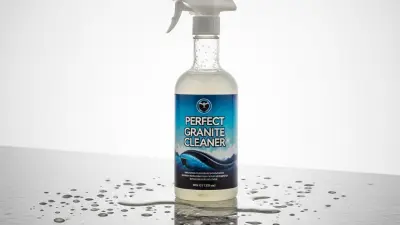
For daily cleaning, simplicity and consistency are key. After each use, especially after preparing food, a quick wipe-down is all that's usually needed. Always use a pH-neutral cleaner specifically formulated for natural stone. Avoid common household cleaners containing vinegar, lemon juice, ammonia, bleach, or abrasive particles, as these are acidic or alkaline and can degrade the sealer and etch the granite surface. A mild dish soap diluted in water can also work in a pinch, but a dedicated granite cleaner is always best.
- Wipe Spills Immediately: Don't let anything sit, especially acidic liquids like coffee or citrus.
- Spray & Wipe: Lightly mist your pH-neutral granite cleaner over the surface.
- Microfiber Advantage: Use a soft microfiber cloth to wipe the surface clean. Microfiber is excellent for trapping dirt and liquids without scratching.
- Rinse & Dry (Optional but Recommended): For a streak-free finish, follow with a damp cloth rinsed in plain water, then dry immediately with a clean, dry microfiber cloth.
Tackling Tougher Stains: When Immediate Action Matters
Even with sealing, some spills, if left too long, can challenge your granite. For oil-based stains (grease, cooking oil), apply a paste of baking soda and a few drops of water or rubbing alcohol. For organic stains (coffee, tea, food), a paste of hydrogen peroxide and a few drops of ammonia (use with caution and good ventilation) can be effective. Apply the paste, cover with plastic wrap, and let it sit for several hours or overnight. This is called a "poultice" and helps draw the stain out of the stone. Rinse thoroughly and dry. Honestly, quick action is your best friend here; the longer a stain sits, the harder it is to remove.
The Science of Sealing Granite: Protecting Your Investment
Sealing is not a one-time task; it's a periodic commitment that ensures your granite remains beautiful and resilient. Knowing when to seal and how to apply it correctly is crucial for effective protection.
When and How to Test for Sealing Needs
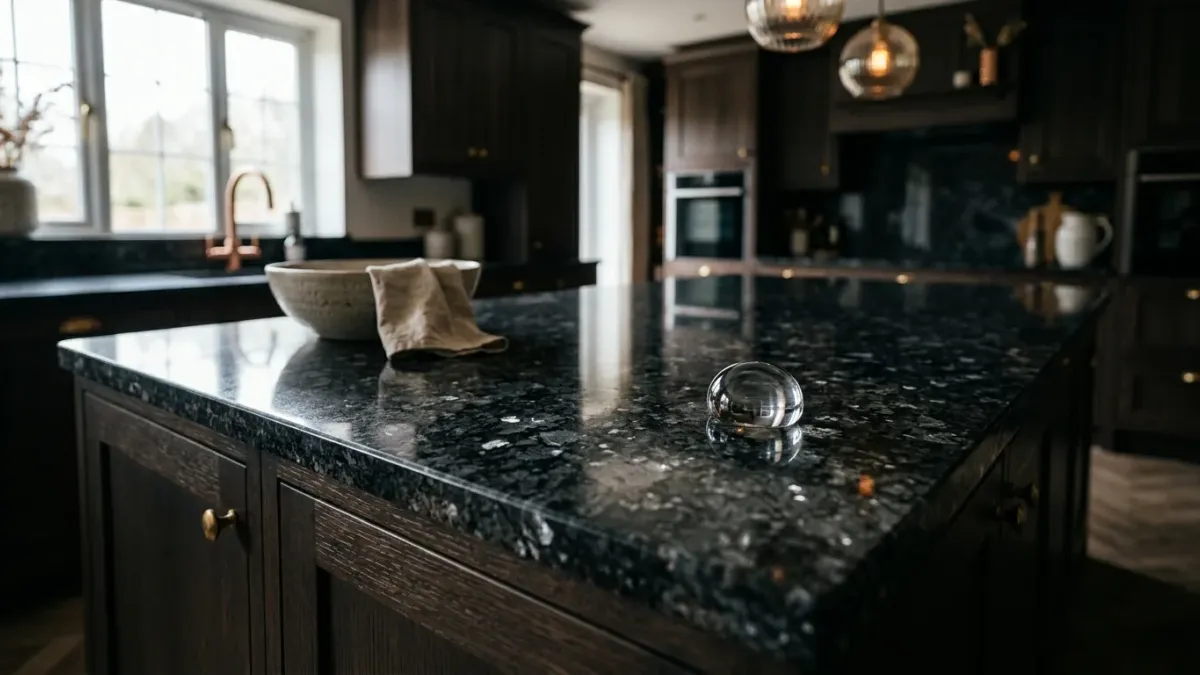
The "water droplet test" is the easiest way to determine if your granite needs sealing. Drip a small amount of water (about a quarter-sized puddle) onto different areas of your countertop. Wait 5-10 minutes. If the water beads up, your sealer is likely still effective. If the water soaks in, darkens the granite, or spreads out, it's time to reseal. I generally recommend testing every 6-12 months, though high-traffic areas might need more frequent checks.
Choosing the Right Sealer: Penetrating Power
Always opt for a "penetrating" or "impregnating" sealer specifically designed for natural stone. These sealers soak into the stone's pores. Avoid topical sealers or waxes, which merely sit on the surface and can flake or peel, creating more problems than they solve. Water-based sealers are generally easier to apply and have less odor, while solvent-based sealers often offer deeper penetration and longer-lasting protection, though they require better ventilation during application. Read product labels carefully, considering your specific granite type and usage.
Step-by-Step Sealing Process: A Professional's Guide
Proper application is as important as the sealer itself. Follow these steps meticulously:
- Thorough Cleaning: Before sealing, your granite must be impeccably clean and completely dry. Any dirt or moisture trapped under the sealer will be permanently sealed in.
- Apply Evenly: Apply the sealer according to the manufacturer's instructions, typically with a clean, soft cloth or a foam applicator. Work in small sections, ensuring even coverage. Don't let the sealer pool.
- Allow Dwell Time: Let the sealer penetrate for the recommended dwell time (usually 5-15 minutes). The granite will absorb what it needs.
- Wipe Off Excess: This is critical. Before the sealer dries on the surface, wipe off all excess product with a clean, dry microfiber cloth. If left to dry on the surface, it can leave a hazy residue that is extremely difficult to remove.
- Cure Time: Allow the sealer to cure completely, typically 24-48 hours, before using the countertop or exposing it to moisture. During this time, avoid placing anything on the surface.
Repeat the application if your granite is highly porous and absorbs the first coat quickly. Based on my experience, skimping on sealer quality or application is a costly mistake you'll regret down the line. A properly sealed counter can last anywhere from 1 to 5 years before needing a reapplication, depending on the sealer quality and countertop usage.
Beyond the Basics: Longevity, Safety, and Smart Choices
Maintaining your granite's pristine condition goes beyond just cleaning and sealing. It involves ongoing vigilance and smart choices that protect your investment over the long haul. Longevity is a direct result of consistent, informed care.
Maintaining the Seal: Practical Tips
To prolong the life of your sealer, continue using pH-neutral cleaners for daily upkeep. Avoid abrasive scrubbers, as these can wear down the protective layer. Always use cutting boards, trivets for hot pots, and coasters for drinks, especially those containing citrus or alcohol. These simple habits significantly reduce the stress on your sealed surface. Small preventative measures go a long way in ensuring your granite remains impeccable for years.
Safety First: Protecting Yourself During Sealing
When applying sealers, especially solvent-based varieties, proper ventilation is non-negotiable. Open windows, use fans, and ensure good airflow. Wear gloves to protect your skin and, if sensitive to fumes, consider a respirator. Always read the product's safety data sheet (SDS) for specific precautions. Your health and safety are just as important as the longevity of your granite. To be fair, most modern water-based sealers are much safer to use, but vigilance is always prudent.
Selecting Your Arsenal: Tools and Products
For cleaning, invest in high-quality microfiber cloths. They are gentle, highly absorbent, and effective. When it comes to cleaners, stick with reputable brands specifically formulated for granite and natural stone. For sealers, research options like StoneTech, DuPont, or Miracle Sealants. Check reviews and ensure they are penetrating sealers. Honestly, the difference between a properly maintained granite counter and one that's neglected is stark; it boils down to the right tools and consistent effort.
Ultimately, taking care of your granite countertops isn't a chore; it's a commitment to preserving beauty and functionality. By understanding the distinct roles of cleaning and sealing, and by applying these expert-backed techniques, you're not just maintaining a surface; you're safeguarding a valuable asset in your home. Treat your granite not just as a surface, but as a living stone that, with the right care, will reward you with decades of unblemished beauty and unwavering performance.