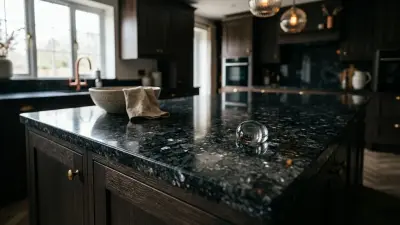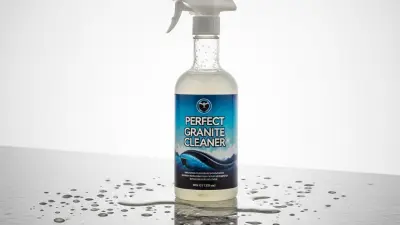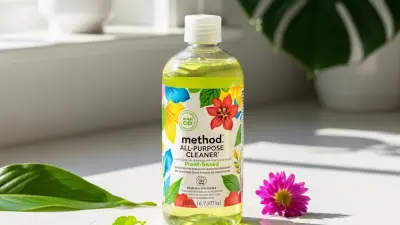

Quick answer: The safest cleaners for granite surfaces are dedicated pH-neutral (pH 7.0) stone cleaners, such as Granite Gold Daily Cleaner or StoneTech Revitalizer. For daily maintenance, warm water paired with a 300+ GSM microfiber cloth works best, while mild dish soap diluted at 1 teaspoon per gallon of water serves as a safe, cost-effective alternative.
Why Granite Needs Specialized Cleaners
Granite is an igneous rock primarily composed of quartz, feldspar, and mica. While the quartz component resists chemical attack, feldspar and trace calcites react sharply when exposed to acid. When you apply an acidic substance—anything with a pH below 6.0—it chemically dissolves the stone's polished outer structure, resulting in dull white marks known as etching. Acidic cleaning wipes and citrus degreasers break down protective impregnating sealers within weeks, leaving raw, unsealed pores exposed to moisture and dark oils.
Porosity varies widely depending on the slab's origin and mineral density. Light-colored granites (such as Kashmir White or Santa Cecilia) generally possess higher absorption rates than dense black granite varieties (like Absolute Black). Unsealed stone can absorb spilled liquids in under ten minutes, leading to deep organic stains. Using strong alkaline strippers or harsh bleach solutions strips the surface resin and breaks down polymer sealers, compounding moisture absorption problems over time.
Cleaner's tip: To test if your granite sealer is working, place a few droplets of water on the surface and wait 15 minutes. If the water beads up cleanly, your sealer is intact. If the stone darkens under the water, your sealer has failed, and applying liquid cleaners will only push grime deeper into the stone pores.
Top Recommended Granite Cleaners
Selecting the right product requires balancing daily soil removal with chemical safety. Professional restoration technicians rely on surface-safe formulas designed to lift grease while leaving resin bonds and penetrating sealers untouched. Incorporating specialized granite cleaners into your regular maintenance routine eliminates streak buildup and maintains long-term clarity.
| Cleaner Name | pH Level | Formulation Type | Approx. Price (2026) | Best For |
|---|---|---|---|---|
| Granite Gold Daily Cleaner | 7.0 (Neutral) | Ready-to-Use Spray | $10 - $13 (24 oz) | Everyday kitchen grease and soil |
| StoneTech Revitalizer | 7.0 (Neutral) | Spray & Protect (2-in-1) | $18 - $22 (24 oz) | Reinforcing sealer during daily wipes |
| Method Daily Granite Cleaner | 7.2 (Near Neutral) | Plant-Based Spray | $7 - $9 (28 oz) | Light polishing and pleasant scent |
| Diluted Dawn Dish Soap | 7.0 - 7.5 | DIY Water Solution | Under $1 per gallon | Budget-friendly general cleaning |
Commercial products like Granite Gold or StoneTech are specifically engineered to eliminate residue buildup. Regular multi-surface household sprays often contain silicone or fluoropolymer additives that leave a foggy film over polished stone after consecutive uses. Professional-grade sprays dry completely residue-free, ensuring light reflects off the natural quartz crystal rather than a synthetic chemical layer.
For budget-conscious cleaning, a mild, non-antibacterial dish soap mixed with warm water provides safe results. However, dosage control is critical. Exceeding one teaspoon of dish soap per gallon of water leaves a sticky surfactant film that attracts floating atmospheric dust and fingerprints, requiring excessive rinsing to remove.
Proper Cleaning Method: Step-by-Step
Using the correct chemical agent is only half the battle; physical execution determines whether you finish with a streak-free shine or a cloudy film. Pairing proper chemistry with high-grade microfibers prevents cross-contamination and fine scratching across softer mineral grains.
- Clear Loose Debris: Sweep away dry crumbs, dust, and grit using a clean, dry microfiber cloth. Abrasive mineral particles dragged across stone under a wet towel act like fine sandpaper, creating micro-scratches.
- Apply Cleaner Lightly: Mist your pH-neutral granite cleaner evenly over the surface. Avoid soaking the stone; light misting prevents fluid from pooling along seam lines and silicone caulking backsplashes.
- Wipe Along the Grain: Using a 300 to 350 GSM damp microfiber cloth, wipe in overlapping circular motions to break up oils. Follow up immediately with straight passes along the natural pattern of the stone.
- Buff Dry Completely: Never allow granite to air dry. Take a dry, plush 400 GSM microfiber towel and buff the entire surface using firm pressure. Buffing removes residual water minerals that cause water spots on dark granite.
For detailed deep-cleaning routines, combining safe chemistry with efficient cleaning tools speeds up job times significantly without risking surface damage. Avoid using rough green scrub pads, steel wool, or abrasive magic erasers, as these mechanical tools strip stone finishes just as quickly as acid.
Removing Stains and Harmful Chemicals to Avoid
When spills occur, rapid action prevents permanent discoloration. Organic stains like coffee, wine, or fruit juice respond well to hydrogen peroxide poultices, whereas grease and cooking oils require an absorbent powder paste (such as baking soda mixed with water) left to draw out deep-seated lipids over 24 hours.
- Never Use Acidic Cleaners: White vinegar, lemon juice, lime scale removers, and citrus-based degreasers cause instant chemical etching on polished stone surfaces.
- Avoid Ammonia and bleach: Undiluted household bleach or ammonia degrades resin fillers and strips impregnating sealers, making stone porous and brittle.
- Skip Abrasive Powders: Scouring powders contain silica or calcium carbonate particles that abrade high-gloss factory finishes.
- Do Not Mix Chemicals: Never combine bleach with ammonia or acidic agents. Mixing these chemicals creates toxic chloramine or chlorine gas, posing severe health hazards.
Disinfecting granite requires EPA-registered stone-safe disinfectants or a 70% isopropyl alcohol solution diluted 1:1 with distilled water. Allow a dwell time of 3 to 5 minutes to sanitize the surface effectively before wiping completely dry with a clean microfiber towel.
Clear Recommendations
For daily maintenance of high-traffic kitchen countertops, keep a spray bottle of Granite Gold Daily Cleaner or StoneTech Revitalizer paired with premium 350 GSM microfiber towels near your workspace. If you clean on a tight budget, mix a single drop of plain dish soap into a spray bottle filled with warm distilled water, mist lightly, and buff dry thoroughly with a dry cloth. Protect your investment by performing a water drop sealer check every six months and avoiding acidic sprays or abrasive scrubbers.
Frequently Asked Questions
Can I use Windex to clean my granite countertops?
No, standard Windex contains solvents, alcohol derivatives, or ammonia that strip protective granite sealers and leave a dull film over time. Always use dedicated stone sprays or simple warm water with mild soap.
Is Lysol spray safe for daily use on granite?
Most standard Lysol sprays contain acidic or harsh disinfectant agents designed for non-porous synthetics. Continuous use on natural stone degrades your sealer. Use an EPA-registered stone-safe disinfectant or a 50/50 mixture of 70% isopropyl alcohol and distilled water instead.
How often should I seal my granite surfaces?
Most residential granite surfaces require sealing every 12 to 18 months, depending on stone density and daily traffic. High-porosity light granites may require re-sealing every 6 to 9 months, while dense black granites can often go 2 to 3 years between applications.
Why does my granite look cloudy after wiping it down?
Cloudiness is usually caused by excessive dish soap residue, using dirty cleaning rags, or allowing hard tap water to air dry on the surface. Wash towels without fabric softener and always buff the stone dry with a clean, plush microfiber towel.