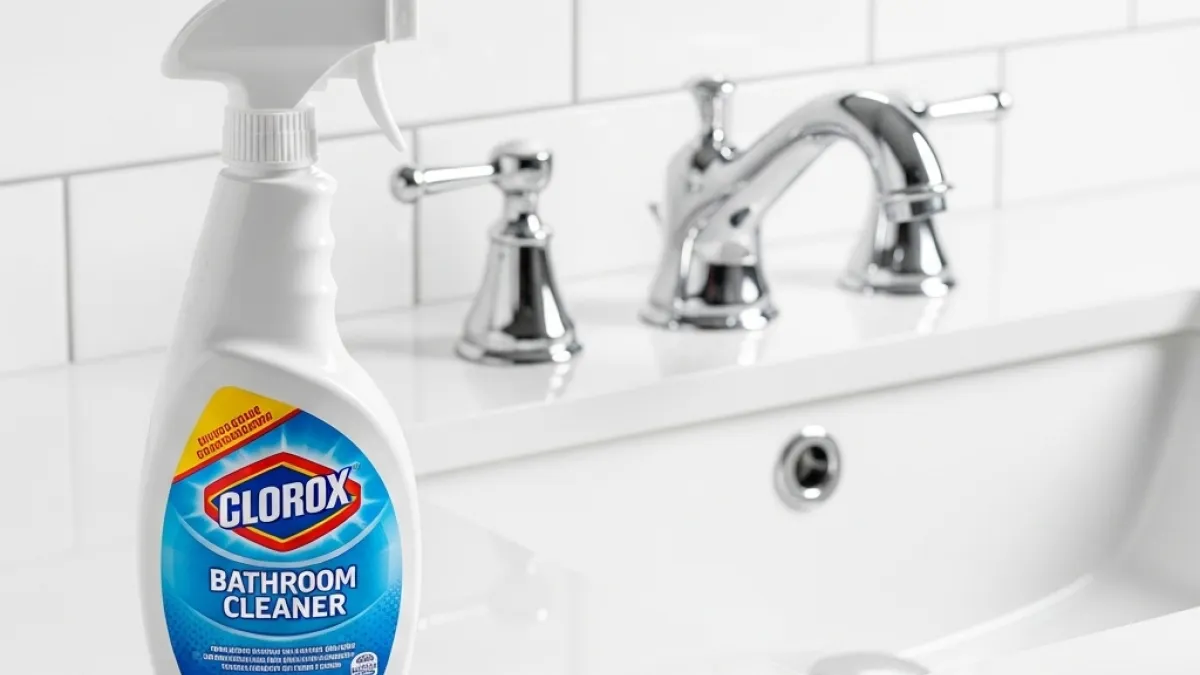
Quick answer: Clorox Bathroom Cleaner excels at removing tough soap scum, hard water stains, and severe mold growth while eliminating 99.9% of bathroom pathogens. The sodium hypochlorite (bleach) formula provides maximum stain bleaching and disinfection with a 5-minute wet contact time, while the foaming variants offer superior cling on vertical tile walls.
Cleaner's tip: The biggest mistake I see beginners make with bleach-based bathroom cleaners is spraying and wiping immediately. To actually kill mold spores and strip baked-on soap scum without backbreaking scrubbing, you must allow a minimum dwell time of 5 minutes. If the liquid dries out before that time, lightly re-mist the surface to keep the chemical active.
Formulations, Chemistry, and Cleaning Performance
Understanding the chemistry behind your cleaning agents is what separates amateur wiping from true professional sanitation. Clorox formulates its bathroom line into distinct categories, primarily divided into bleach-based (alkaline) and bleach-free (acidic or surfactant-based) formulas. The flagship Clorox Disinfecting Bathroom Cleaner with Bleach relies on sodium hypochlorite (typically around 1% to 2% active concentration) as its core disinfectant and stain remover. Operating at a high, alkaline pH of approximately 12.0 to 12.8, this alkaline environment saponifies body oils and breaks down organic proteins instantly.
On the other hand, non-bleach variants often utilize citric acid or quaternary ammonium compounds (quats). Acidic formulations are specifically designed to tackle inorganic scale, such as calcium carbonate and magnesium deposits left behind by hard water. If you apply a heavy alkaline bleach spray to thick lime scale, you will disinfect the surface, but the mineral structure itself will remain intact. Choosing the right tool for the specific contamination type is vital for fast, effective results.
When selecting a spray mechanism, the aerosol and trigger-foam versions alter the physical application significantly. Foaming formulas increase surface tension, allowing the chemical to hang on vertical porcelain and glazed ceramic tile rather than sliding straight down into the drain within seconds. This extended contact time allows surfactants to penetrate underlying grease without requiring double the liquid product.
Comparing Clorox Bathroom Products
To help you select the exact product for your specific facility or home layout, I have compiled a performance breakdown based on field testing and chemical specifications.
| Product Line | Active Ingredient / pH | Best For | Required Contact Time | Surface Compatibility |
|---|---|---|---|---|
| Clorox Disinfecting Bleach Spray | Sodium Hypochlorite (pH ~12.5) | Severe mold, mildew stains, white grout | 5 minutes | Glazed ceramic, porcelain, glass, vinyl |
| Clorox Bleach-Free Foamer | Citric Acid / surfactants (pH ~2.5) | Soap scum, hard water, metal fixtures | 3 to 10 minutes | Chrome, stainless steel, fiberglass, acrylic |
| Clorox Tilex Mold & Mildew | Sodium Hypochlorite + Surfactants | Deep fungal stains in silicone caulk | 5 minutes | Sealed grout, ceramic tile, tub surrounds |
Step-by-Step Instructions for Deep Cleaning Bathrooms
Executing an efficient bathroom deep-clean requires a structured process. Following this workflow saves physical labor and ensures complete disinfection without damaging sensitive fixtures.
- Ventilate and Protect: Turn on the exhaust fan and open any available windows. Wear nitrile gloves and safety goggles. Bleach fumes can cause respiratory irritation, and high-pH splashes can cause eye injury.
- Dry Surface Preparation: Sweep or vacuum the bathroom floor and clear all personal items from counter space, tub edges, and shower ledges. Remove dry dust from tiles using a synthetic duster.
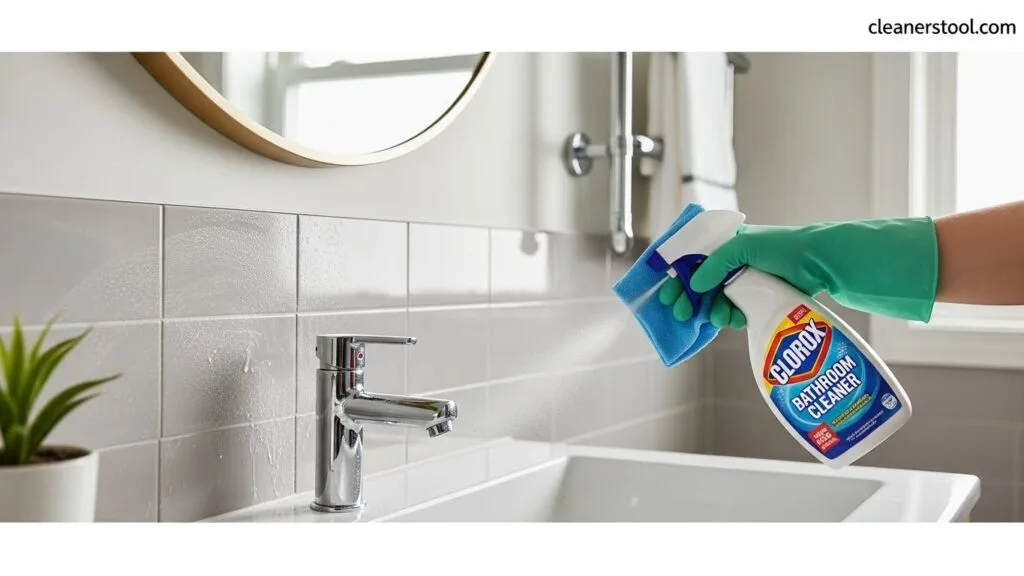
- Apply the Cleaner: Spray Clorox Bathroom Cleaner evenly from a distance of 6 to 8 inches. For vertical shower walls, start from the top and work downward, utilizing a foaming spray setting if available.
- Respect Dwell Time: Allow the product to sit undisturbed for a minimum of 5 minutes to achieve complete EPA-registered disinfection against bacteria like Staphylococcus aureus and Salmonella enterica.
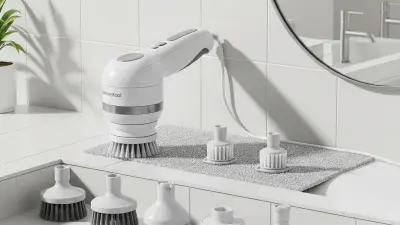
- Agitate Tough Deposits: Use a high-density scrub brush or a 300 GSM microfiber cloth to agitate heavily soiled areas, such as lower grout lines, shower door tracks, and faucet bases.
- Rinse and Dry: Thoroughly rinse all surfaces with warm water using a handheld showerhead or a clean, wet microfiber towel. Dry polished chrome and glass with a dry microfiber rag to prevent water spotting.
Safety Protocols and Surface Compatibility
Chemical safety is critical in maintenance work. The golden rule of janitorial work is to never mix bleach-based cleaners with ammonia, acids (like vinegar or toilet bowl cleaners), or rust removers. Combining sodium hypochlorite with ammonia produces toxic chloramine gas, while combining it with acids releases deadly chlorine gas. Always keep products in their original labeled containers or clearly marked OSHA-compliant secondary bottles.
Material compatibility is equally vital. Bleach formulas are safe on non-porous surfaces like glazed porcelain, enamel, glass, and fiberglass. However, unsealed natural stone such as marble, granite, or travertine will etch when exposed to harsh chemicals. Additionally, prolonged exposure to high-pH bleach on delicate metals like brass or oil-rubbed bronze can cause tarnishing and surface pitting. For natural stone or specialty metal accents, opt for a neutral-pH, non-bleach formula instead. You can read more about chemical choices in our guide to essential bathroom cleaning tools and products.
Value, Refills, and Bulk Purchasing
For high-frequency cleaning, purchasing individual 32-ounce trigger bottles becomes costly and generates excess plastic waste. Standard trigger sprayers are engineered to endure thousands of pumps, meaning you can easily reuse them multiple times before disposal. Buying 128-ounce bulk refill jugs—commonly available at commercial distribution centers and club stores like Costco—lowers your cost per ounce by up to 40%.
When decanting from bulk containers, always use a dedicated funnel to avoid spills. Store chemical jugs in a cool, dark location away from direct sunlight; sodium hypochlorite degrades over time when exposed to heat and UV light, losing its active strength after roughly 6 months to a year. Efficient inventory management ensures you always have active, full-strength chemistry ready for heavy-duty jobs.
Expert Recommendation
If you are battling white tile grout discolored by black mold or stubborn organic pink residue, reach for the classic Clorox Disinfecting Bathroom Cleaner with Bleach; its high alkalinity strips organic grease while the sodium hypochlorite brightens grayed cement lines. However, if your primary challenge involves cloudy shower glass, hard water scale, or acrylic tubs with delicate brushed nickel fixtures, opt for a bleach-free, acid-based foaming formula. Pairing the right formula with a heavy-duty scrub brush and a 5-minute dwell time will give you professional results every single time.
Frequently Asked Questions
Can I use Clorox Bleach Bathroom Cleaner on natural marble?
No. Highly alkaline or acidic formulas can dull, etch, and permanently damage unsealed marble, limestone, and granite. Use a specialized neutral-pH stone cleaner instead.
How long does Clorox spray take to kill mold and bacteria?
To eliminate 99.9% of targeted bacteria and fungal spores, the surface must remain visibly wet with the cleaner for at least 5 minutes before rinsing or wiping clean.
Why does my bathroom cleaner leave streaks on chrome fixtures?
Streaking happens when cleaner residue dries directly on metal surfaces without being properly rinsed. Always rinse thoroughly with clean water and buff dry with a soft microfiber cloth.