Disclosure: As an Amazon Associate, we earn from qualifying purchases.
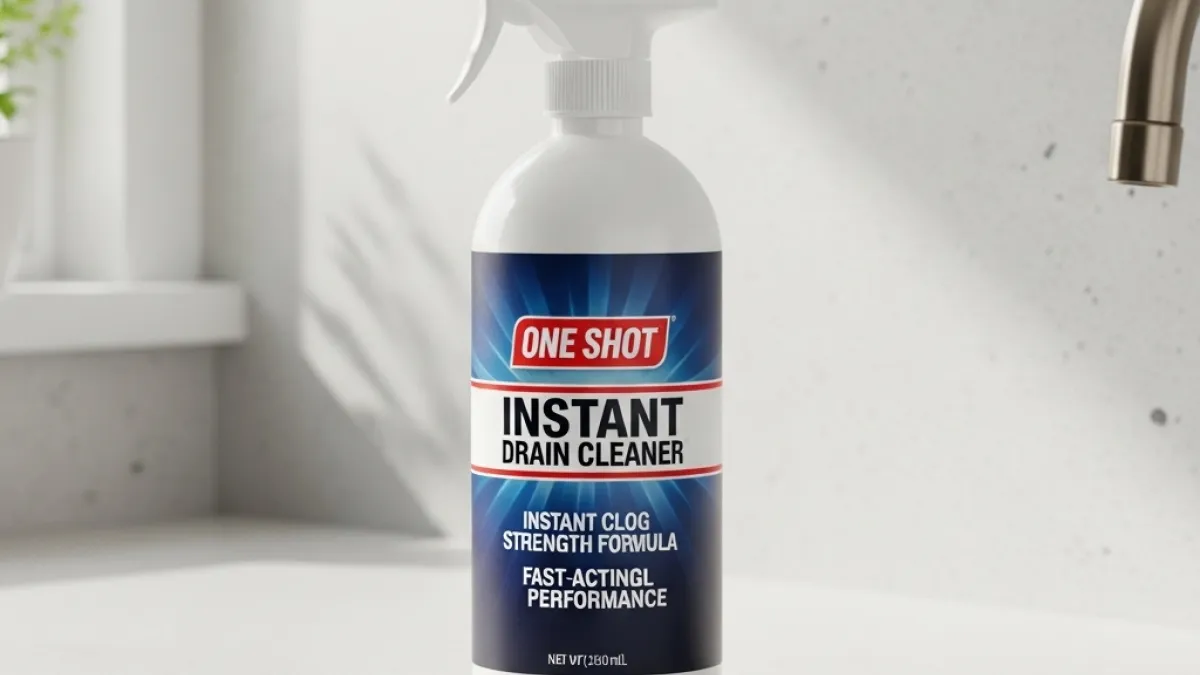
Dealing with a stubborn, sluggish drain is one of the most frustrating maintenance issues facing homeowners and professional facility managers alike. While standard supermarket gels often require hours to dissolve minor hair clogs, industrial-grade chemical treatments promise rapid, dramatic results. Among these commercial products, One Shot Instant Drain Cleaner has built a strong reputation across the plumbing and sanitation industries for its heavy-duty formula. However, aggressive marketing claims leave many people asking whether liquid chemical treatments can truly clear dense pipe blockages within seconds, or if the "instant" claim is simply an exaggeration.Quick answer: Yes, One Shot Drain Cleaner works exceptionally fast, typically clearing organic blockages like grease, hair, and soap scum within 2 to 15 minutes. Powered by 91% virgin sulfuric acid, it creates an immediate exothermic reaction that melts dense clogs on contact. However, because of its extreme acidity (pH lower than 1.0), it requires rigorous personal safety precautions and careful pipe inspection before application.
Understanding the Chemical Formula Behind One Shot
To understand why this product behaves so differently from off-the-shelf retail gels, you must look closely at its chemical composition. Standard drain openers bought in grocery stores typically rely on sodium hypochlorite (bleach) mixed with caustic soda (sodium hydroxide) at alkaline pH levels around 11 to 13. While caustic alkaline solutions excel at breaking down hair over a prolonged dwell time, they move slowly and struggle against thick, hardened animal fats or cellulose materials. In contrast, One Shot Instant Drain Cleaner is formulated with 91% pure virgin sulfuric acid (H2SO4). This concentrated mineral acid operates on an aggressive chemical mechanism called acid hydrolysis combined with intense dehydration. When sulfuric acid comes into contact with organic compounds—such as human hair, grease accumulations, food particles, paper towels, or sanitary waste—it violently strips hydrogen and oxygen atoms away from the organic matter. This process triggers a rapid chemical degradation, converting complex solid organic structures into soluble liquid byproducts that can easily wash down the line. Furthermore, the reaction between concentrated sulfuric acid and organic moisture is highly exothermic, meaning it generates intense heat localized directly at the obstruction. This heat instantly liquifies hardened cooking greases and congealed fats, allowing the chemical to push through dense obstructions far faster than cold liquid cleaners.How Fast Does It Realistically Work? Speed and Performance Breakdown
While the product name promises "instant" action, real-world performance depends heavily on the specific nature of the clog, its distance down the waste line, and how much standing water surrounds the obstruction. In controlled plumbing tests and field applications, One Shot dissolves light hair and soap scum accumulations in lavatory sinks within 60 to 120 seconds. Heavy grease traps, food-laden kitchen waste pipes, and toilet paper blockages generally take between 5 to 15 minutes to clear completely. It is vital to distinguish between organic blockages and inorganic pipe obstructions. One Shot acts rapidly on carbon-based materials, but it cannot dissolve mineral scale, plastic items, toy obstructions, or solid metal objects lodged in waste pipes. If a drain line is blocked by tree roots or structural pipe collapse, no chemical acid cleaner will resolve the problem. To help you compare different drain clearing methods, the following specification table illustrates how industrial sulfuric acid compares directly against traditional caustic gels and biological enzyme treatments:| Cleaner Category | Active Ingredient | pH Level | Average Dwell Time | Target Blockage Types |
|---|---|---|---|---|
| Industrial Acid (One Shot) | 91% Sulfuric Acid (H2SO4) | < 1.0 (Highly Acidic) | 2 to 15 minutes | Grease, hair, paper, soap scum, rags |
| Retail Caustic Gel | Sodium Hydroxide / Hypochlorite | 11.0 – 13.5 (Highly Alkaline) | 15 to 60 minutes | Light hair accumulation, surface soap scum |
| Biological Enzymatic | Bacterial Enzymes / Spores | 6.5 – 7.5 (Neutral) | 6 to 24 hours | Routine grease maintenance, organic wall buildup |
Step-by-Step Safe Application Guide for Domestic and Commercial Drains
Instant Grease & Hair Dissolution: Heavy-Duty Industrial Drain Opener

- Gear Up with Essential Personal Protective Equipment (PPE): Put on heavy-duty nitrile or neoprene chemical gloves, full-cover safety splash goggles, long sleeves, and closed-toe rubber boots. Ensure the room is thoroughly ventilated by opening windows and running exhaust fans to clear potential acidic vapors.
- Bail Out Excess Standing Water: Remove as much stagnant water from above the drain opening as possible using a siphon or cup. Minimizing standing water prevents unnecessary dilution of the acid and reduces the severity of exothermic boiling.
- Measure the Recommended Dosage: Pour the acid slowly and directly into the drain throat. Use roughly 100 ml (1/10th of a 1-liter bottle) for bathroom sinks and shower wastes, 150 ml to 200 ml for floor drains, or up to half a bottle for main commercial drain runs.
- Allow Proper Dwell Time: Let the acid sit undisturbed for 5 to 15 minutes. Avoid leaning over the drain opening during this period to protect your face and lungs from acidic mist or localized bubbling.
- Flush Thoroughly with Cold Water: Gently turn on the cold water tap to flush the dissolved debris down the sewer line. Always flush with generous amounts of cold water rather than hot water, as cold water helps control pipe temperature after the exothermic reaction.
Cleaner's tip: Never pour 91% sulfuric acid directly into a sink basin filled to the brim with cold standing water. Diluting concentrated acid in a large volume of water dissipates its thermal cutting power instantly while creating a dangerous splash risk. Take two extra minutes to bail out that stagnant basin with a small plastic cup down to the drain neck before uncapping the bottle—it makes the difference between a fully cleared line and a dangerous chemical mess.
Crucial Safety Rules, Pipe Compatibility, and Errors to Avoid
While One Shot is remarkably effective, its chemical intensity means it cannot be used carelessly. Pipe material compatibility is the single most important factor to check prior to pouring acid drain openers. Modern schedule 40 PVC, ABS, and standard heavy lead or thick cast-iron drain lines generally resist short-term exposure to sulfuric acid without structural degradation. However, thin-gauge flexible plastic tubes, corrugated waste pipes, chrome-plated brass pop-up assemblies, stainless steel sink basin strainers, and aluminum fittings can suffer severe corrosion, etching, or heat deformation. If the acid contacts bright chrome decorative trims or brushed stainless steel sinks, it leaves dark gray oxidation stains that cannot be buffed out. Always pour the liquid through a dedicated funnel directly into the waste pipe orifice to protect decorative metal trim.Chemical mixing presents an even greater hazard. Combining sulfuric acid with alkaline drain openers (such as lye or caustic soda) triggers a violent, explosive acid-base neutralization reaction that can propel boiling liquid back out of the drain opening. Mixing sulfuric acid with household bleach or chlorine-based sanitizers instantly releases toxic chlorine gas, which causes acute respiratory damage upon inhalation. If you previously poured a retail chemical opener into a clogged sink without success, you must thoroughly flush or mechanical-snake the line before attempting to use One Shot.
Final Verdict and Recommendation
One Shot Instant Drain Cleaner is an outstanding, professional-grade solution for clearing severe organic waste blockages when mechanical snaking or plunging fails. It is ideally suited for plumbing professionals, commercial facilities managers, and experienced homeowners dealing with dense grease accumulations or heavy hair clogs in rigid PVC or heavy-gauge waste pipes. However, for casual maintenance or homes equipped with delicate thin-wall plastic plumbing, a mechanical drain auger or natural biological drain cleaner remains the safer starting point. If you choose to use One Shot, prioritize full splash protection, bail out standing water first, and follow dosage guidelines strictly.Frequently Asked Questions
Physical Blockage Extraction: Heavy-Duty Flexible Drain Snake

Is One Shot Drain Cleaner safe for septic tank systems?
In small, occasional quantities (such as a single 100 ml treatment), the acid neutralizes as it mixes with the alkaline waste and large water volume inside a standard septic tank. However, frequent or heavy usage of concentrated sulfuric acid can alter the septic tank's pH balance, killing beneficial waste-digesting bacteria and disrupting system operation.
Can I use One Shot Drain Cleaner in a porcelain toilet bowl?
Extreme caution is required when using concentrated acid in toilets. The high heat generated by the acid's exothermic reaction can thermal-crack vitreous china porcelain bowls. Furthermore, if the trap contains standing water, pouring acid directly into the bowl dilutes the product heavily and risks acid splattering. Mechanics usually prefer augers or specialized toilet snakes for commode blockages.
What should I do if One Shot splashes onto my skin or countertop?
Maximum Pressure Flush: High-Efficiency Bellows Drain Plunger

If acid contacts your skin, immediately flush the affected area with large quantities of clean, cool running water for at least 15 minutes and seek medical advice. If it splashes onto laminates, granite, or metal surfaces, wipe it off instantly with wet rags and rinse thoroughly with clean water to prevent permanent chemical etching.
How long should I leave One Shot in the drain before flushing?
For standard sink and shower drains, a dwell time of 5 to 15 minutes is sufficient to dissolve organic blockages. Leaving concentrated sulfuric acid inside metal or thin plastic pipe assemblies for hours or overnight increases the risk of heat warping or pipe joint corrosion. Always flush thoroughly with cold water after the recommended dwell time.