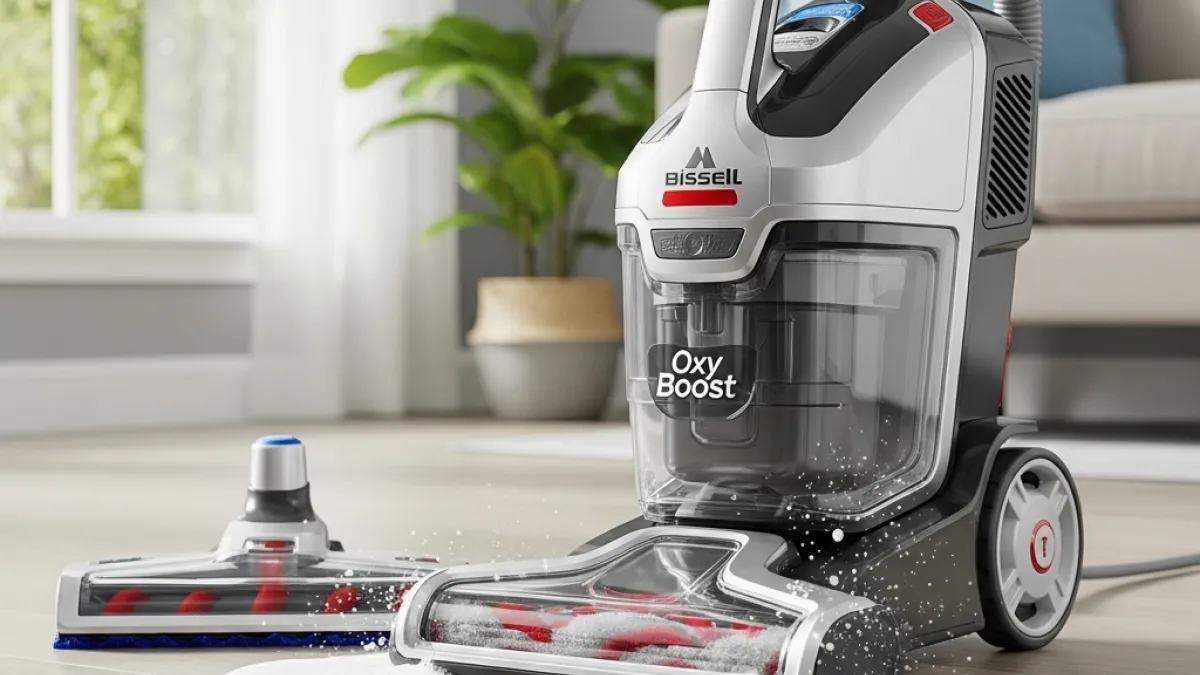
Quick answer: BISSELL Oxy Boost is a concentrated oxygen-based formula additive that reacts instantly with water to release active oxygen molecules. These bubbles penetrate deep into carpet fibers, breaking the chemical bonds of organic stains like pet urine, red wine, and coffee so your carpet extractor can lift them completely. When mixed with standard carpet cleaning formulas, it drastically reduces cleaning time and eliminates the need for aggressive scrubbing.
How Oxygen Cleaning Science Works on Stains
To understand why oxygen boosters are so effective, you have to look at what happens at a microscopic level during the wash cycle. Traditional synthetic detergents rely heavily on surfactants, which work by reducing the surface tension of water so it can wet surfaces better and surround dirt particles. While surfactants excel at lifting loose soil and daily foot traffic dust, they struggle with chromophores—the color-bearing chemical structure in organic stains like red wine, blood, or pet waste.
Oxygen-based boosters utilize sodium percarbonate, which breaks down into sodium carbonate (washing soda) and hydrogen peroxide when mixed with warm water. The hydrogen peroxide then releases active oxygen radicals. These volatile oxygen molecules attack the double bonds of chromophore molecules, effectively neutralizing their color-absorbing capabilities. As a result, the stain simply loses its color and becomes water-soluble, making extraction effortlessly smooth.
Furthermore, this chemical reaction creates micro-bubbling action directly inside the carpet pile. These tiny bubbles physically loosen trapped dirt particles from deep within the carpet backing and pad, pushing them up toward the surface. When paired with a quality full-size or portable extractor like those in our carpet cleaner reviews and guides, you achieve a level of sanitization and deep cleaning that standard detergents simply cannot deliver on their own.
Product Breakdown: Formula Options and Comparison
BISSELL produces several variations of its oxygen-enhanced line, each optimized for specific extraction machines, spot-cleaning tools, or laundry routines. Choosing the right formulation prevents oversudsing, avoids carpet residue, and yields the best results for your specific mess type.
The standard Oxy Boost Formula is designed as a direct tank additive for full-size upright extractors. It carries a slightly alkaline pH (around 8.5 to 9.5 when diluted), making it ideal for synthetic fibers like nylon and polyester. For localized spots, spot-and-stain spray formulas utilize pre-mixed hydrogen peroxide stabilized for immediate trigger spray activation without needing water dilution.
The table below breaks down the technical specs and ideal application scenarios for the most common oxygen-boosted options on the market today:
| Formula Variant | Primary Active Agent | Optimal Dilution / Usage | Best Used For | Typical Price (2026) |
|---|---|---|---|---|
| BISSELL Oxy Boost Formula Enhancer | Sodium Percarbonate / Peroxide | 2 oz per 1 Gal clean water | Whole-room carpet extraction, traffic lanes | $14 - $18 (32 oz) |
| BISSELL PET PRO OXY Spot & Stain | Stabilized H2O2 + Surfactants | Ready-to-use spray or spot machine | Fresh pet accidents, vomit, high-odor spots | $11 - $15 (32 oz) |
| OxiClean Versatile Stain Remover | Sodium Percarbonate | 1 scoop per gallon hot water | General laundry, hard surface scrubbing | $10 - $14 (3 lbs) |
| Standard Oxygen Laundry Booster | Sodium Percarbonate + Builders | In-wash additive (drum placement) | Work clothes, towels, dingy white linens | $8 - $12 (40 oz) |
When selecting your formula, always keep fiber compatibility in mind. Synthetic carpets tolerate oxygen boosters exceptionally well, whereas natural fibers like wool or silk require pH-neutral solutions (around pH 6.0–7.5) and lower water temperatures to prevent fiber damage. For details on handling sensitive delicate rugs, check out our guide on safe rug maintenance techniques.
Step-by-Step Guide to Using BISSELL Oxy Boost Correctly
Using an oxygen additive seems straightforward, but getting the ratio, water temperature, and technique right makes a world of difference in the final result. Incorrect mixing can either waste product or leave a sticky residue that attracts dirt right back to the carpet.
- Vacuum Thoroughly First: Always clear loose soil, pet hair, and surface debris using a vacuum equipped with a true HEPA filter before applying wet formulas. Extracting wet carpet full of dry dust creates mud inside the backing.
- Measure the Clean Water Tank: Fill your machine's clean water reservoir with warm tap water. Ideal water temperature is between 120°F and 140°F (49°C to 60°C). Water that is too hot can shrink carpet fibers or deactivate active oxygen too quickly, while cold water slows down the oxidation reaction.
- Add Base Solution First, Booster Second: Measure your primary machine formula (such as BISSELL Deep Clean or Pet Stain & Odor) according to the tank lines. Next, pour in 2 fluid ounces (approx. 60 ml) of BISSELL Oxy Boost per gallon of water directly into the clean water tank. Do not over-concentrate the mixture.
- Apply and Allow Dwell Time: Make one slow forward pass and one slow backward pass with the trigger depressed to apply the solution. Release the trigger and let the solution sit on the carpet fibers for a dwell time of 3 to 5 minutes. This dwell time allows the oxygen radicals to break down stubborn chromophores.
- Perform Extraction Passes: Make multiple dry passes (extracting without holding the spray trigger) over the treated area. Go slowly—aim for about 1 foot per second—to allow the vacuum shoe to pull out as much moisture and suspended soil as possible.
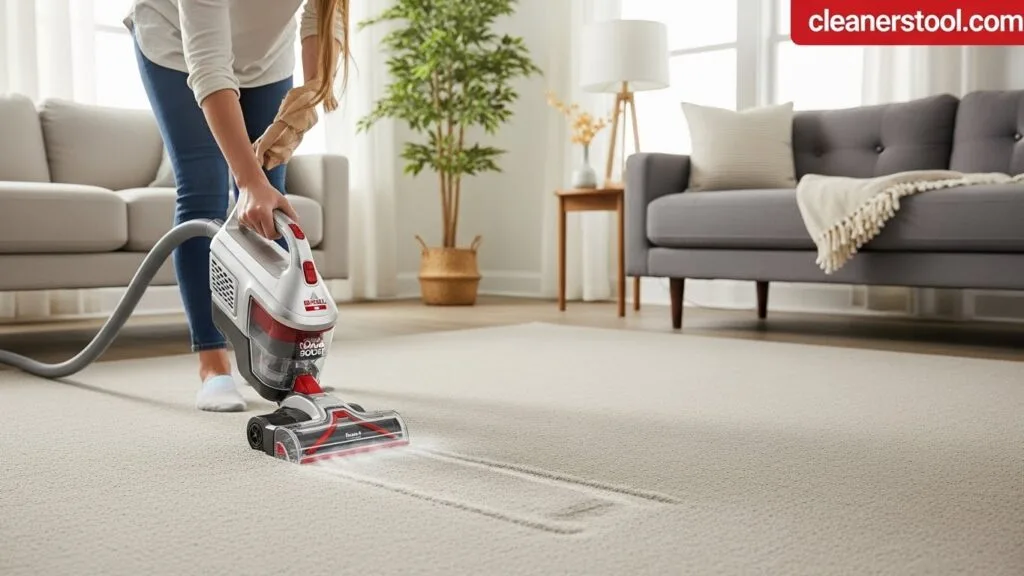
Cleaner's tip: The biggest mistake I see DIYers make is rushing the dry passes. In over 20 years of professional cleaning, standard wet extraction failures almost always stem from leaving excess moisture in the carpet pad. Make twice as many dry extraction passes as wet passes. If you do two wet passes, follow up with four dry passes. This prevents deep-set stains from "wicking back" to the surface as the carpet dries over the next 8 to 12 hours.
Practical Cleaning Scenarios and Performance Evaluation
Oxygen boosters show varying degrees of success depending on the exact stain composition and carpet fiber material. Understanding how oxygen reacts across different mess scenarios helps you set realistic expectations and adjust your pre-treatment approach.
For pet messes involving urine or feces, oxygen boosters excel because they eliminate the organic organic dyes that create yellowing. However, for complete odor elimination, pairing an oxygen boost with an enzymatic cleaner is recommended. Enzymes digest the uric acid crystals, while the oxygen booster removes the dark surface ring. If you are dealing with heavy pet hair alongside stains, combining this process with an upright machine from our best pet vacuums roundup ensures complete removal of both loose hair and deep stains.
Food stains like coffee, juice, and tomato sauce are where oxygen boosters shine brightest. The oxidation process breaks down tannin compounds within minutes. For old, dried-in spills, pre-treating the area with a concentrated spray of BISSELL OXY Spot & Stain prior to running your full-size carpet cleaner yields almost professional-grade restoration without harsh bleach or caustic chemicals.
Frequently Asked Questions
Is BISSELL Oxy Boost safe for all carpet types?
It is safe for the vast majority of synthetic carpets, including nylon, polyester, and triexta. However, it should not be used on natural materials such as 100% wool, silk, or antique rugs, as the alkaline oxidation reaction can damage natural protein fibers and strip natural dyes.
Can I mix Oxy Boost with chlorine bleach for faster results?
No, never mix oxygen-based products with chlorine bleach or ammonia. Mixing oxygen additives with other harsh chemicals can release toxic fumes, deactivate the cleaning agents, and cause severe damage to carpet fibers and carpet extractor pump seals.
How long does it take for carpets to dry after an extraction wash?
Under normal indoor conditions (70°F / 21°C with reasonable airflow), carpets dry in 6 to 10 hours. Using ceiling fans, floor movers, or opening windows speeds up dry time significantly and prevents mildew formation.
Does Oxy Boost expire or lose its potency over time?
Yes. Oxygen boosters lose their activity over time, especially once mixed with water. Concentrated liquid bottles remain fully potent for about 1 to 2 years after opening if stored in a cool, dark place. Once mixed in a clean water tank with hot water, the solution should be used within 24 hours for maximum effectiveness.
Final Recommendations
If you regularly manage pet stains, kid messes, or heavy foot traffic, adding BISSELL Oxy Boost to your standard extraction routine is one of the most cost-effective ways to improve your carpet cleaning performance. It significantly cuts down on physical scrubbing, lifts stubborn organic discoloration, and leaves carpet pile feeling fresh rather than stiff. For optimal results, start by vacuuming thoroughly, pre-treat severe high-traffic spots with a dedicated trigger spray, mix the booster into warm water (never boiling), and allow a full 3-to-5-minute dwell time before performing slow, thorough dry extraction passes.