Disclosure: As an Amazon Associate, we earn from qualifying purchases.
Dealing with stubborn baked-on grease inside an oven, heavy engine oil dripping on a concrete driveway, or decades of soap scum layered across bathroom tile can exhaust even seasoned property maintenance crews. Standard supermarket all-purpose sprays are engineered for light daily dust and quick countertops, which means they stall out instantly when faced with oxidized carbon deposits, petroleum-based grease, or polymerized animal fats. Reaching for an off-the-shelf mild cleaner usually results in wasted hours, severe arm fatigue, and ruined finishes from aggressive, unnecessary scrubbing. True cleaning efficiency relies on letting proper heavy-duty chemical formulations dissolve the bond, allowing chemistry to do the heavy lifting instead of pure muscle power.
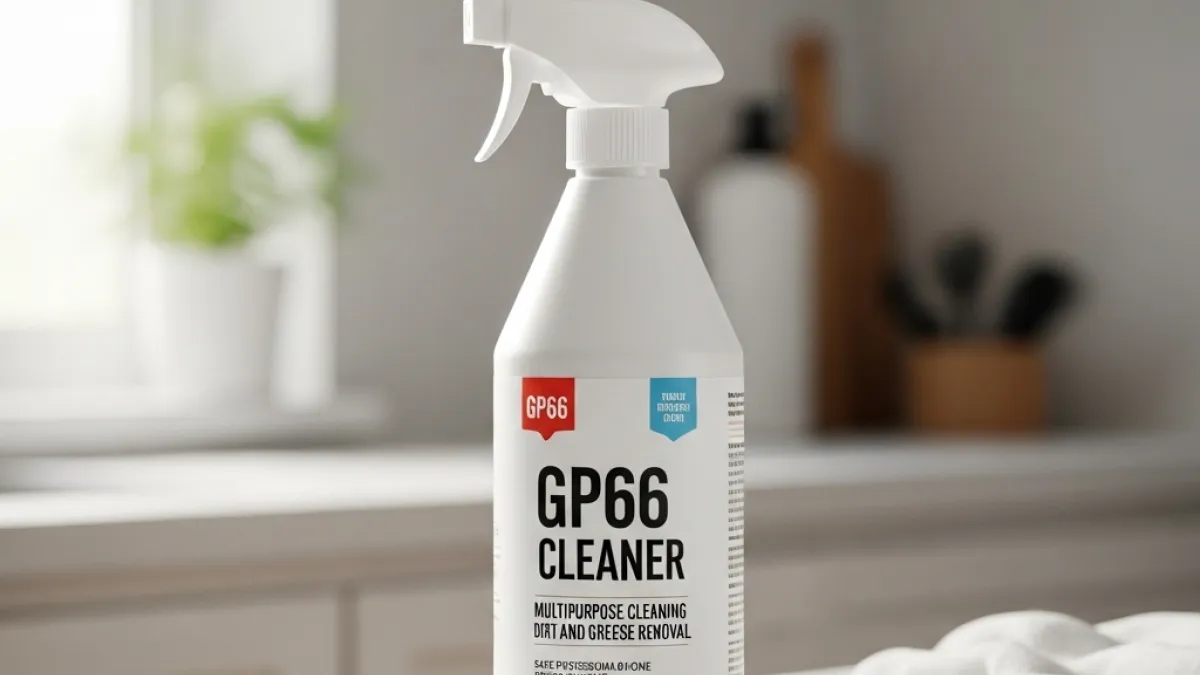
Quick answer: Formulated at an alkaline pH of 11.0 to 11.5, GP66 Miracle Cleaner is an industrial-strength, water-based degreaser designed to break down tough organic fats, engine grease, and hard water deposits without volatile solvent fumes. It works by dramatically reducing water's surface tension, emulsifying sticky soils so they lift easily from porous concrete, tile grout, and stainless steel. Depending on the job, you can use it full strength for heavy driveways and oven interiors or dilute it up to 1:100 for daily maintenance wiping.
Understanding the Chemistry Behind GP66 Miracle Cleaner
Most retail cleaning sprays rely on basic linear alkylbenzene sulfonate detergents or heavy petroleum solvents that fill enclosed rooms with caustic chemical vapors. GP66 Miracle Cleaner uses a completely different mechanism based on advanced water-soluble surfactants and an elevated alkaline pH profile. Organic soils like animal grease, cooking oil, and motor lubricants are inherently acidic. When an alkaline formula with a pH between 11.0 and 11.5 hits these acidic greasy chains, a rapid chemical reaction known as saponification takes place. This process effectively converts water-insoluble, sticky fats into a water-soluble soap residue that can be wiped or rinsed away effortlessly.
The operational edge of GP66 stems from its capability to rapidly lower the surface tension of water. Tap water naturally possesses high surface tension, which causes it to bead up on hydrophobic oily surfaces rather than penetrating them. GP66 breaks this surface tension barrier, enabling the fluid to seep deep into micro-fissures in porous concrete, textured tile grout lines, and brushed stainless steel grain. Instead of simply spreading oil around the surface like a film, the surfactants encapsulate microscopic grime particles in suspension, allowing a 300 to 350 GSM microfiber cloth or a pressure washer to lift the soil cleanly without leaving a tacky film.
Safety and surface compatibility are critical factors when working in residential kitchens, auto shops, or commercial facilities. GP66 features a water-based, non-flammable, and non-silicone formula that avoids dangerous butyl cellosolve vapors or volatile organic compounds (VOCs). This lack of harsh solvent emissions makes it significantly safer to deploy in confined indoor spaces like commercial walk-in ovens, enclosed residential bathrooms, or basement workshops. When diluted correctly, it delivers intense industrial stripping force without etching window glass, ruining acrylic finishes, or degrading synthetic rubber seals and gaskets.
Dilution Ratios and Performance Specifications
Because GP66 Miracle Cleaner is manufactured as a concentrated liquid, tailoring your water-to-cleaner mixing ratio directly impacts both performance and overall cost per use. Running full-strength concentrate on simple dust or minor food splatters wastes product unnecessarily, while an overly diluted mixture will lack the alkalinity needed to penetrate hardened carbon rings or engine oil. Controlling your concentrate proportions allows a single gallon jug to handle everything from gentle window frame cleaning to heavy commercial garage restoration.
Cleaner's tip: Always fill your spray bottle or mop bucket with warm water first before pouring in the GP66 concentrate. If you pour the cleaner first and blast it with tap water, the high-foaming surfactants will flood the vessel with suds long before you reach the fill line. Additionally, never skip a mandatory 3-to-5-minute dwell time on thick cooking grease or oil spots. Giving the high-pH surfactants time to break down molecular bonds cuts your physical scrubbing time by at least 90%.
Industrial-Strength Grease & Stain Emulsification: GP66 Miracle Cleaner

For daily maintenance tasks—such as wiping laminate countertops, sealed vinyl plank floors, or painted baseboards—a light dilution ratio of 1:50 up to 1:100 (approximately 1 to 2 ounces of cleaner per gallon of water) works perfectly. When tackling heavy kitchen grease on range hoods, burnt carbon on oven glass, or oily concrete driveways, step up to a stronger 1:1 or 1:4 dilution, or apply the concentrate straight out of the bottle for maximum impact. The chart below provides ideal mixing ratios, tools, and dwell times for key cleaning applications.
| Cleaning Task | Dilution Ratio (GP66 : Water) | Recommended Tool | Target Dwell Time |
|---|---|---|---|
| Light Dust & Countertops | 1:50 to 1:100 (1-2 oz / gal) | 300 GSM Microfiber Cloth | 30 Seconds |
| Tile, Grout & Bathrooms | 1:10 (12 oz / gal) | Nylon Scrub Brush / Steam Cleaner | 2 to 3 Minutes |
| Ovens, Grills & Range Hoods | 1:1 or Full Strength | Non-Scratch Scouring Pad | 5 to 10 Minutes |
| Concrete Driveways & Engines | Full Strength (Neat) | Stiff Deck Brush / Pressure Washer | 10 Minutes (Keep Wet) |
Step-by-Step Guide for Removing Tough Stains with GP66
Maximizing the efficiency of a heavy-duty alkaline degreaser requires a structured approach. Rushing through the application, failing to prep the surface, or allowing the formula to dry out completely mid-process can leave streaky residues or force you to repeat steps. Following a systematic procedure ensures optimal results across various materials while saving time and labor cost.
Step 1: Preparation and Safety Setup
Before working with any high-pH alkaline concentrate, put on nitrile gloves and adequate splash-proof eye protection. Ensure the room has reasonable airflow by opening a window or switching on an exhaust fan. Sweep away loose surface dust, dirt, or dry debris using a vacuum or soft broom to prevent grinding loose grit into the finish during scrubbing. For vertical surfaces like range hood vents or vertical grout lines, keep a clean spray bottle ready filled with your preferred dilution.
Step 2: Application and Controlled Dwell Time
Apply the diluted or full-strength GP66 solution generously over the target stain, ensuring total chemical coverage. For severe carbonized grease on barbecue grates or cast-iron stove burners, submerge the parts directly in a soak bin filled with a 1:1 solution. Let the liquid sit undisturbed for 3 to 10 minutes depending on the soil thickness. Do not let the cleaner dry out completely on the surface; if working outdoors in direct sunlight or warm weather, lightly mist the area with water or extra cleaner to keep the chemical actively working.
Step 3: Agitation and Mechanical Lifting
Deep Surface Agitation: Heavy-Duty Nylon Scrub Brushes

Once the chemical dwell time has softened the soil, begin agitating the area using a task-appropriate cleaning tool. For glass stove tops or polished stainless steel, scrub gently with a non-scratch nylon scrubbing sponge or a high-GSM microfiber towel. For rough surfaces like concrete floors, brick, or unsealed stone, use a stiff-bristled deck brush to work the loosened oil out of deep pores. You will notice the liquid quickly turning into a milky brown emulsion as the grease breaks apart.
Step 4: Rinsing and Final Drying
Thoroughly wipe down or rinse the area with clean, warm water to remove all suspended soil and chemical residue. On indoor surfaces like kitchen cabinets or tile walls, wipe twice using a fresh microfiber cloth dampened with clear water. For outdoor driveways or machinery engines, flush the space completely using a garden hose or a pressure washer rated between 1500 and 2500 PSI. Dry the surface with a lint-free towel to prevent mineral water spots and inspect your work.
Comparing GP66 with Common Industry Cleaners
To understand where GP66 fits into a professional or home cleaning kit, it helps to compare its performance against other well-known options like Simple Green All-Purpose Cleaner, Krud Kutter, and standard household dish soap. While dish soap is excellent for daily manual dishwashing, its neutral pH (around 7.0 to 8.0) lacks the alkaline horsepower to saponify hardened engine oil, road tar, or polymerized oven fats without massive physical effort.
Simple Green relies on a milder surfactant formulation with an operational pH around 8.5 to 9.5, making it a reliable general-purpose maintainer for light duty tasks. However, on heavily baked-on grill grease or deep concrete oil spots, its lower pH requires substantially longer dwell times and aggressive mechanical scrubbing. Krud Kutter delivers heavy-duty power using a water-based formula, but GP66 features higher surfactant concentration levels that allow deeper penetration into porous masonry and textured metals without leaving sticky residues behind.
Another major advantage of GP66 is its versatility across distinct categories. Instead of buying separate specialty products—such as a dedicated oven cleaner, a tile grout restorer, a vinyl siding wash, and an engine degreaser—you can manage all these tasks using a single bottle of GP66 by simply adjusting your water dilution ratios. This versatility significantly reduces the chemical inventory you need to store in your van, utility closet, or garage shelf.
Final Recommendations and Buying Advice
If you are looking for a reliable single-bottle solution to tackle severe home grime, heavy kitchen grease, and outdoor oil stains without relying on toxic solvent fumes, GP66 Miracle Cleaner is an outstanding choice. For standard residential maintenance, grab a standard 32-ounce spray bottle and dilute it down for kitchen and bathroom surfaces; for professional cleaners, facility managers, or auto enthusiasts dealing with fleet maintenance, buying a 1-gallon concentrate jug offers exceptional long-term value. Start your deep cleaning routine by testing your mix on a small hidden spot first, maintain a solid 5-minute chemical dwell time, and let the alkaline chemistry do the hard labor for you.
Zero-Residue Dirt Extraction: High-Density Microfiber Towels

Frequently Asked Questions
Is GP66 Miracle Cleaner safe to use on aluminum surfaces?
GP66 can be used on aluminum, but because it is an alkaline formula (pH 11.0-11.5), you should avoid letting concentrated solutions sit on soft unpainted aluminum for extended periods. Dilute the cleaner to at least 1:10, restrict dwell time to under 2 minutes, and rinse thoroughly with cold water to prevent potential oxidation or surface dulling.
Can I mix GP66 Miracle Cleaner with bleach or ammonia?
No, you should never mix GP66—or any general cleaning formula—with chlorine bleach, ammonia, or acidic cleaners like vinegar. Combining cleaning chemicals can trigger hazardous chemical reactions that release dangerous chloramine or chlorine gas into the air. GP66 is formulated to work effectively on its own without requiring additive boosters.
Does GP66 leave a slippery film on tile or vinyl floors?
GP66 rinses cleanly and does not leave a slippery film if diluted properly and rinsed with clean water. If your floors feel sticky or slick after cleaning, the liquid mixture was likely too concentrated or the suspended grime was not thoroughly rinsed away with a clean damp mop.
Sources
- US EPA Safer Choice Cleaning Standards
- CDC Environmental Cleaning and Disinfection Guidelines
- GP66 Miracle Cleaner Official Product Data & Safety Data Sheet (SDS)