
Quick answer: To clean a microfiber cloth correctly, wash it separately from cotton and fleece in warm water (below 105°F / 40°C) using a clear, additive-free liquid laundry detergent. Avoid fabric softeners, dryer sheets, liquid chlorine bleach, and powder detergents at all costs, then line-dry or tumble dry on cold/low heat to prevent the microscopic synthetic fibers from melting.
Why Traditional Laundry Habits Ruin Microfiber Cloths
To keep your microfiber cloths performing like new for 300 to 500 wash cycles, you have to understand how their underlying textile structure functions. High-performance cleaning microfiber is knitted from a precise blend of synthetic polymers—typically an 80% polyester and 20% polyamide (nylon) matrix, or a 70/30 split for premium detailing towels. During manufacturing, these raw strands undergo a mechanical or chemical splitting process that divides single filaments into microscopic wedge-shaped structures roughly 1/100th the diameter of a human hair. These microscopic hooks generate strong capillary pressure to suck up moisture while generating a natural electrostatic charge that pulls fine dust particles off hard surfaces. When you throw dirty microfiber towels into a standard laundry load along with cotton bath towels, flannel, or socks, those tiny sticky wedges immediately strip lint off the natural fabrics. The cotton fibers jam deep into the microfiber weave, permanently blinding the synthetic split structure. Once a towel fills up with foreign fibers, it loses its electrostatic pull and leaves annoying streaks behind. Furthermore, traditional household laundry additives leave invisible liquid films across the delicate strands. Liquid fabric softeners and dryer sheets work by depositing silicone emulsions or tallow-based lipid layers on textiles to make them feel soft. When these oily compounds coat polyester and polyamide, they fill up every microscopic channel, giving the cloth a hydrophobic seal. Instead of absorbing liquids, the coated towel repels water, leaving a hazy residue on glass and polished tile.Cleaner's tip: In commercial janitorial operations, the biggest mistake staff make is throwing motor oil rags or wax applicator towels into the main hamper with window cleaning cloths. Hydrocarbons and silicone waxes transfer instantly during the pre-wash soak phase, ruining the absorbent performance of your entire supply. Always use color-coded laundry bins—for example, red for heavy grease, blue for glass, and yellow for general dusting—to stop cross-contamination long before dirty towels ever hit the washing machine drum.
How to Clean Microfiber Cloths: Step-by-Step Machine and Hand Wash Methods
Whether you are cleaning a small handful of daily dusting towels or running a large commercial load after an intensive house-cleaning project, following a systematic, temperature-controlled cleaning process protects the structural integrity of your microfiber inventory.Method 1: Machine Washing (Best for High Volume and Heavily Soiled Towels)
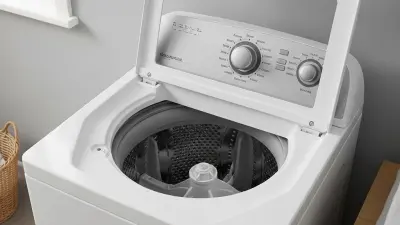
Machine washing provides the deep mechanical agitation needed to dislodge embedded dirt, grease, and grime from dense microfiber loops.- Separate Your Load: Group your microfiber towels strictly by fabric type and soil severity. Never add cotton, linen, or wool to the cycle. Keep heavy automotive grease cloths isolated from delicate 200 GSM glass polishing towels to prevent oil transfer.
- Select the Right Detergent: Use 1 to 2 tablespoons of a dye-free, perfume-free liquid laundry detergent (such as Tide Free & Gentle or Seventh Generation Free & Clear). Avoid powder detergents, as unsweetened granules often fail to dissolve completely in warm cycles and embed abrasive crystals into the pile.
- Set Water Temperature and Wash Cycle: Set your washing machine to a gentle or normal cycle using cold or warm water (ideally around 90°F to 105°F / 32°C to 40°C). Water temperatures above 140°F (60°C) will singe the delicate nylon split tips, fusing them into hard plastic points that scratch surfaces.
- Run an Extra Rinse Cycle: Set your washer to execute a second rinse phase. Extra rinsing guarantees that every trace of suspended soil and surfactant chemical flushes clear from the tight weave.
Method 2: Hand Washing (Best for Daily Maintenance of Slightly Dirty Cloths)
Hand washing is perfect when you only have two or three mildly dirty towels after wiping down kitchen counters or dusting furniture, saving energy while preventing damp towels from sitting around and souring in a hamper.- Immediate Warm Water Flush: Run dirty cloths under warm tap water immediately after finishing your cleaning tasks. Rub the damp cloth back and forth against itself to loosen surface dust and wash away water-soluble soils before they set.
- Agitate with Liquid Soap: Apply a few drops of mild dish soap (like Dawn) or additive-free liquid detergent directly onto heavily soiled spots. Rub the fabric together vigorously using your thumbs to massage grime out of the core weave.
- Soak and Rinse Thoroughly: Fill a clean basin or sink with warm water and submerge the cloths for 10 to 15 minutes. Massage the towels thoroughly, then squeeze and rinse under clear tap water until no suds or cloudy runoff remain. Fully wring out excess water by hand.
Method 3: Deep Cleaning Bath to Restore Stiff, Non-Absorbent Towels
If your cloths have lost their absorbency over time due to accidental detergent buildup, hard water minerals, or lingering wax deposits, a deep-cleaning acid bath will strip away foreign films without damaging the synthetic polymers.- Prepare the Stripping Solution: Fill a clean 5-gallon bucket with 1 gallon of hot tap water (around 120°F / 49°C max). Pour in 1 cup of distilled white vinegar (5% acetic acid concentration) or 1 ounce of dedicated microfiber restorer chemical. Do not add bleach or standard laundry detergents.
- Soak overnight: Submerge the affected non-absorbent cloths into the vinegar solution and agitate them with a clean spoon or gloved hand. Allow the towels to soak for 4 to 8 hours. The mild acid dissolves built-up laundry minerals, soap scum, and waxy residues.
- Machine Rinse Cycle: Remove the towels from the soak bucket, wring out excess liquid, and run them through a full washing machine cycle with plain warm water—no added soap—followed by a double rinse.
Microfiber Washing Standards & Product Compatibility
Using the wrong cleaning agent can permanently degrade split microfiber matrixes. The practical breakdown below outlines safe vs. destructive washing solutions based on commercial laboratory tests and real-world durability trials.| Washing Agent / Additive | Safe to Use? | Impact on Split Microfiber | Recommended Usage Guidelines |
|---|---|---|---|
| Clear Liquid Detergent | Yes | Cleans effectively without clogging channels. | 1-2 tablespoons per full load; free of dyes and fragrances. |
| Distilled White Vinegar | Yes | Breaks down detergent film and neutralizes odors. | Add 1/2 cup to the fabric softener dispenser during final rinse. |
| Dedicated Microfiber Wash | Yes | Restores absorbency and strips hydrophobic residues. | Follow manufacturer bottle ratios (1 oz per load). |
| Liquid Fabric Softener | No | Coats fibers in silicone, destroying absorbency completely. | NEVER USE. Permanent hydrophobic coating. |
| Chlorine Bleach | No | Erodes polyamide (nylon) core, causing fiber shedding. | NEVER USE. Causes disintegration of towel edges and pile. |
| Powder Detergent | No | Undissolved granules lodge in pile and scratch clear coats. | Avoid entirely unless pre-dissolved completely in boiling water. |
Drying and Storing Microfiber for Maximum Lifespan
How you dry and store your microfiber cloths is just as vital as how you wash them. Excessive thermal exposure during drying is the fastest way to turn a high-grade 350 GSM auto-detailing cloth into an abrasive plastic rag. Polyester softens at relatively low heat levels, while nylon components break down when exposed to severe temperatures. If you put wet towels into a hot commercial dryer setting (above 140°F / 60°C), the split microscopic hooks instantly melt together, forming tiny hard plastic beads at the tips of the threads. Once fused, these melted fiber ends lose all dirt-trapping capabilities and will leave severe micro-scratches on delicate clear-coat automotive paint, lacquer finishes, and soft acrylic glass. Air drying on a clean wooden clothes rack or outdoor line away from dusty winds is always the safest option. If you must use an electric tumble dryer, choose the "Air Fluff" or "No Heat / Ultra Low Heat" setting. Add clean wool dryer balls to help fluff the fabric loops mechanically—never use commercial anti-static dryer sheets or fabric softener bars. Once dry, fold the towels neatly and store them inside closed plastic bins or sealed drawers to keep ambient household dust from settling onto the sticky fibers before your next cleaning project.The Best Overall Care Routine for Your Microfiber Towels
To maximize towel performance, eliminate cross-contamination, and keep your initial tool investment working for years, establish a dedicated laundering system. Keep a separate laundry bin reserved exclusively for microfiber fabrics, wash small loads using a clean liquid detergent free of dyes and fragrances, add 1/2 cup of white vinegar to your washer's rinse cup to dissolve tap water minerals, and dry on low or no heat. This simple, disciplined routine protects the intricate polyester-polyamide split fibers so your cloths perform flawlessly on glass, stone, and stainless steel every time.Frequently Asked Questions
Can I wash microfiber cloths with ordinary clothes and towels?
No, you should never wash microfiber cloths with everyday clothes or cotton bath towels. The microscopic split hooks in microfiber naturally attract and strip loose cotton lint, human hair, and clothing fuzz out of the wash water. These foreign strands lock tightly into the microfiber weave, blinding its dirt-trapping channels and rendering the towel ineffective.
What temperature should I use to wash microfiber cloths?
Always wash microfiber cloths in cold or warm water between 90°F and 105°F (32°C to 40°C). Never use hot water settings above 140°F (60°C), because excessive thermal energy causes delicate synthetic polymers to soften, singeing the split fibers together into hard abrasive plastic tips.
How do I restore microfiber cloths that have lost their absorbency?
Restore clogged, water-repellent microfiber cloths by soaking them in a bucket of hot water mixed with 1 cup of distilled white vinegar for 4 to 8 hours. Vinegar breaks down built-up fabric softener films, heavy grease, and laundry soap scum. Rinse the cloths thoroughly in warm water afterwards without adding any detergent.
Is distilled white vinegar safe for washing microfiber cloths?
Yes, distilled white vinegar is completely safe and beneficial for microfiber cloths when used correctly. Adding 1/2 cup of vinegar to your washing machine's fabric softener dispenser during the final rinse cycle helps neutralize residual alkaline detergent salts and softens the split pile without leaving oily films.