Introduction to Method All Purpose Cleaner
As a cleaning expert, I have always been fascinated by the various cleaning products available in the market. One such product that has gained popularity in recent years is the Method All Purpose Cleaner. But the question on everyone's mind is: is Method All Purpose Cleaner antibacterial? In this article, we will delve into the world of Method cleaning products and explore their antibacterial properties.
Method is a well-known eco-friendly cleaning brand that emphasizes plant-based ingredients, biodegradable formulas, and stylish packaging. Their products are designed to be effective while minimizing environmental impact. But what about their antibacterial properties? Do they really work, or are they just a surface cleaner?
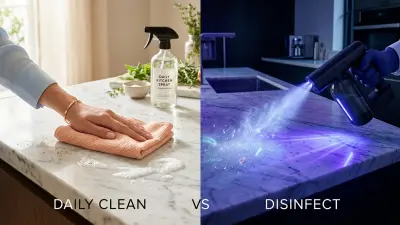
To answer this question, let's first understand the difference between all-purpose cleaners and antibacterial cleaners. All-purpose cleaners are designed to remove dirt, grease, and grime from multiple surfaces, but they may not necessarily be antibacterial. On the other hand, antibacterial cleaners are specifically formulated to kill bacteria and germs, often using active disinfecting agents.
Understanding Antibacterial Cleaners
Antibacterial cleaners are a crucial part of our cleaning routine, especially in areas where germs and bacteria thrive. These cleaners are designed to kill 99.9% of household bacteria, including E. coli and Salmonella. But how do they work? The answer lies in their ingredients. Most antibacterial cleaners contain active disinfecting agents such as citric acid, which is effective against a wide range of bacteria.
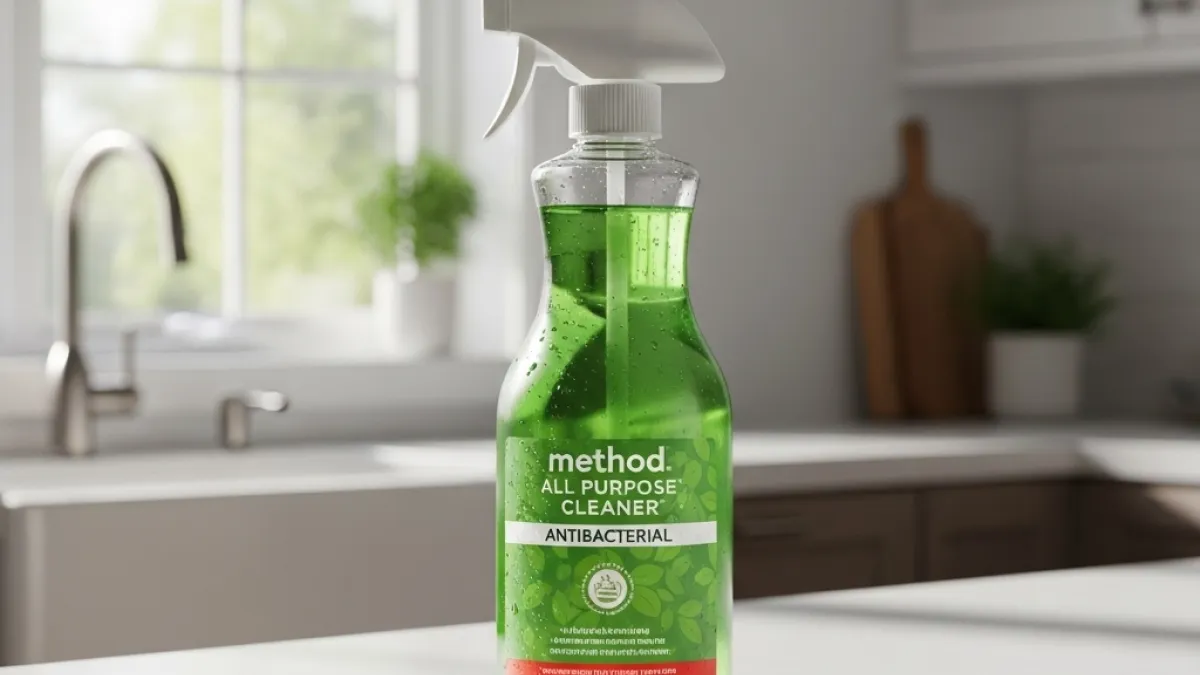
But what about Method all purpose cleaner? Does it contain any antibacterial ingredients? The answer is no. Method's standard all-purpose cleaner is not antibacterial, but they do offer dedicated Method antibacterial cleaner options, such as sprays for kitchens and bathrooms. These products are specifically designed to kill germs while cleaning and are ideal for high-touch areas.
So, why should you choose an antibacterial cleaner over a regular all-purpose cleaner? The answer is simple: antibacterial cleaners provide an extra layer of protection against germs and bacteria. They are especially useful in areas where food is prepared, such as kitchens, and in areas where moisture is present, such as bathrooms.
Benefits of Antibacterial Cleaners
Antibacterial cleaners have several benefits that make them a popular choice among consumers. Some of the benefits include:
- Kills 99.9% of household bacteria
- Effective against common bacteria like E. coli and Salmonella
- Leaves a fresh scent without chemical harshness
- Easy to use and convenient
But what about the ingredients? Are they safe for use around pets and children? The answer is yes. Most antibacterial cleaners, including Method's, are made with plant-based ingredients and are free from harsh chemicals like bleach or ammonia.
Method Antibacterial Cleaner: A Closer Look
Method's antibacterial cleaner line is specifically designed to kill germs while cleaning. These products are ideal for kitchens, bathrooms, and high-touch areas. But what makes them so effective? The answer lies in their ingredients. Method's antibacterial cleaners contain citric acid, which is a natural antibacterial agent. They also contain plant-based surfactants, which break down grease and dirt, and fragrance oils, which provide a pleasant scent.
But how do they compare to other antibacterial cleaners on the market? The answer is simple: Method's antibacterial cleaners are just as effective, if not more so, than other leading brands. They are also eco-friendly and biodegradable, making them a popular choice among consumers who care about the environment.
So, what are the key features of Method's antibacterial cleaner? Some of the key features include:
- Kills 99.9% of household bacteria
- Available in multiple scents, such as citric or bamboo
- Packaged in convenient spray bottles
- Easy to use and convenient
Method Antibacterial Spray: A Popular Choice
Method's antibacterial spray is one of the brand's most popular products. It combines cleaning power with antibacterial protection, making it a must-have for any household. But what makes it so effective? The answer lies in its ingredients. The spray contains citric acid, which is a natural antibacterial agent, and plant-based surfactants, which break down grease and dirt.
But how does it compare to other antibacterial sprays on the market? The answer is simple: Method's antibacterial spray is just as effective, if not more so, than other leading brands. It is also eco-friendly and biodegradable, making it a popular choice among consumers who care about the environment.
Method All Purpose Cleaner Ingredients: A Closer Look
Method's all purpose cleaner ingredients are a crucial part of its effectiveness. But what are they? The answer is simple: Method's all purpose cleaner contains a combination of plant-based ingredients, including citric acid, plant-based surfactants, and fragrance oils. These ingredients work together to break down grease and dirt, leaving surfaces clean and fresh.
But what about the safety of these ingredients? The answer is simple: Method's ingredients are safe for use around pets and children. They are also biodegradable and eco-friendly, making them a popular choice among consumers who care about the environment.
So, what are the benefits of using Method's all purpose cleaner? Some of the benefits include:
- Effective at removing dirt and grime
- Leaves a fresh scent without chemical harshness
- Easy to use and convenient
- Eco-friendly and biodegradable
Method Antibacterial Bathroom Cleaner: A Specialized Product
Method's antibacterial bathroom cleaner is a specialized product designed to tackle soap scum, mold, and germs in the bathroom. But what makes it so effective? The answer lies in its ingredients. The cleaner contains citric acid, which is a natural antibacterial agent, and plant-based surfactants, which break down grease and dirt.
But how does it compare to other antibacterial bathroom cleaners on the market? The answer is simple: Method's antibacterial bathroom cleaner is just as effective, if not more so, than other leading brands. It is also eco-friendly and biodegradable, making it a popular choice among consumers who care about the environment.
Is Method All Purpose Cleaner Food Safe?
A common question among consumers is whether Method all purpose cleaner is food safe. The answer is simple: Method's standard all-purpose cleaner is safe for cleaning kitchen surfaces, but it should not be used directly on food. This is because the cleaner may contain ingredients that are not suitable for human consumption.
But what about the antibacterial cleaner? Is it food safe? The answer is no. Method's antibacterial cleaner is not intended for use on food or food-contact surfaces. It is designed for cleaning surfaces and killing germs, not for use as a food sanitizer.
So, what are the guidelines for using Method all purpose cleaner in the kitchen? Some of the guidelines include:
- Use on countertops, tables, and appliances
- Rinse surfaces that come into direct contact with food
- Do not spray directly on fruits, vegetables, or utensils
Conclusion and Recommendations
In conclusion, Method all purpose cleaner is not antibacterial, but the brand offers dedicated antibacterial cleaner options. These products are effective at killing germs and are ideal for high-touch areas. Method's ingredients are safe for use around pets and children, and their products are eco-friendly and biodegradable.
So, what are the recommendations for using Method all purpose cleaner? Some of the recommendations include:
- Use Method's antibacterial cleaner for high-touch areas, such as kitchens and bathrooms
- Use Method's all purpose cleaner for everyday cleaning tasks
- Always follow the instructions on the label and take necessary precautions to avoid exposure
By following these recommendations and using Method's products as directed, you can keep your home clean and safe, while also protecting the environment.